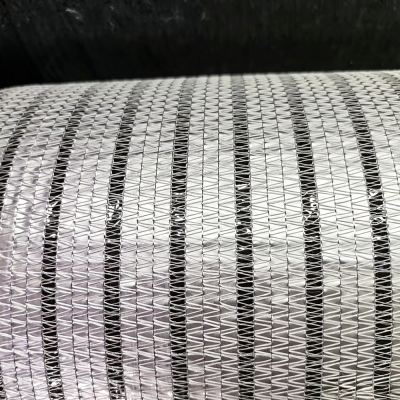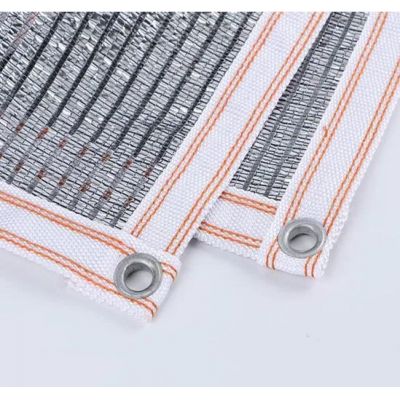


A thermal screen is bought to change a fuel bill, so it is worth judging one on that basis. The aluminium surface reflects solar radiation back through the roof in daylight, and the same closed fabric slows the heat loss that would otherwise happen after dark. The foil is laminated to polyethylene wires and knitted into an open-hole structure, so the ventilation path stays open while the screen is drawn. This model runs at a 95 per cent shade rate and a 30 per cent energy saving rate. Widths and lengths are cut against the bay size you send, with UV stabiliser carried through the yarn.
Ask a grower what a thermal screen is worth and the useful answer is not a shade percentage, it is how many nights the boiler runs shorter. The screen decides how fast the heat you paid for leaves through the roof, and that number shows up in the fuel bill long before it shows up in anything else. A screen chosen for its daytime shade alone can still leave the biggest part of the saving on the table.
Two effects do the work, and they happen at different times. In daylight the laminated aluminium surface reflects incoming solar radiation back out through the roof instead of absorbing it and warming the air below. After dark the screen closes and slows the escape of heat that has built up during the day.
The second effect is the one that changes the fuel bill, and it is the reason a reflective screen is normally specified as a thermal screen rather than simply as shade. On this model the shade rate is 95 per cent and the energy saving rate is 30 per cent. Where a crop needs more light the same construction is knitted at a lower shade rate, and the retention figure moves with it.
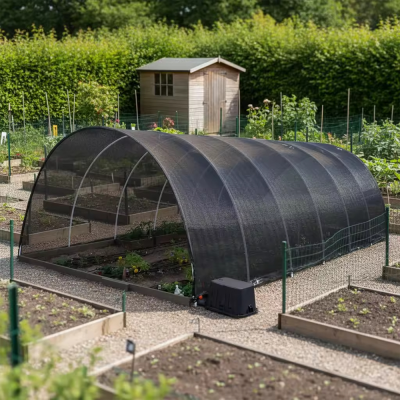
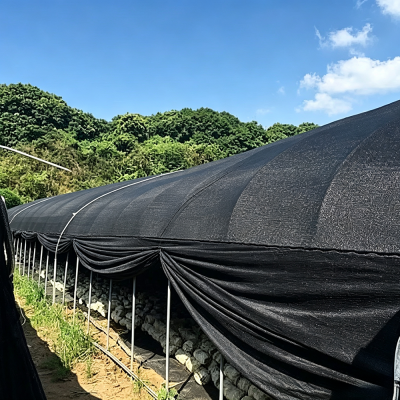
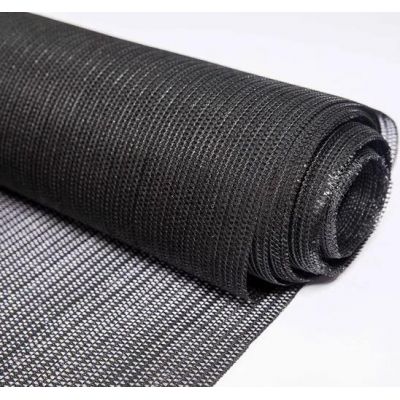
A black knitted net works by absorbing radiation and re-radiating it, which is why the air under black netting can read warmer than the air outside even at the same shade rate. That is useful in daylight and useless after dark, because the heat the crop needs held in is exactly the heat that black fabric lets pass.
The aluminium layer behaves the other way. It reflects rather than absorbs, so the roof cavity stays cooler in the afternoon while the screen itself blocks the loss path at night. The gap between the two is widest in climates with cold nights and bright days, which is where a thermal screen pays back fastest.
| Material | Aluminium foil laminated to polyethylene wires |
| Structure | Open-hole knitted screen |
| Shade rate | 95%, other rates made to order |
| Energy saving rate | 30% |
| Standard size | Customised to the bay |
| Guarantee | 500kly |
| Shrinkage | 1.5% |
| Flame retardant | Available to order on the same construction |
| Model | ASN-001 |
| Packing | Roll in PE bag, customised packing on request |
The screen has to fit the bay, not the other way round. Standard widths are made wider than a single span so the fabric can be clamped and tensioned without stretching across a sharp edge, and lengths are cut to the run of the system. A screen that is short pulls at its fixings; one that is over-wide folds badly when drawn.
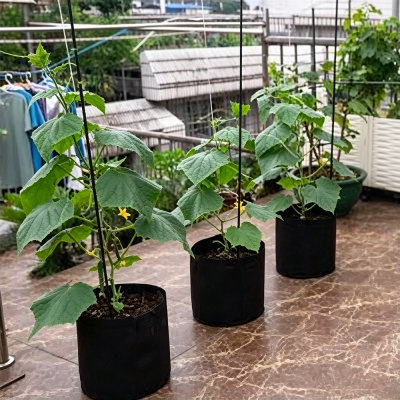
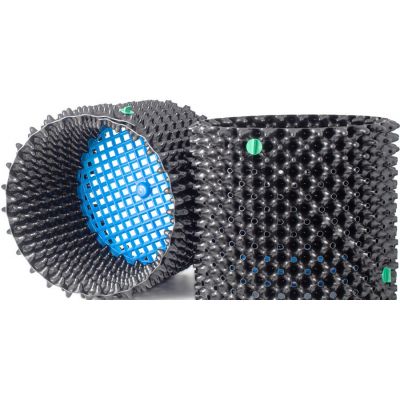
Send the bay width, the roof pitch and the number of runs and the sizing follows from that. A thermal screen is often run beside a plain knitted monofilament net on the same house, foil for the cold months and plain knit for the shoulders of the season. Growers running container or nursery crops under either usually pair it with a planting bag. The wider shade net range covers knitted, flat wire and reflective types.
Where a laminate screen fails early it is usually the foil layer that goes first, either through a thin laminate or through regrind carrier yarn. Both look acceptable in a sample photograph. Our screens go through the same five in-house checks as the rest of the range, ageing and tensile included, before a roll is packed.
We have been making agricultural netting since 2011, in a plant of close to 10,000 square metres with more than 50 machines, and we supply growers in more than 32 countries. Protected cultivation and its energy performance are covered in the open literature, including the industry news at commercial horticulture industry news and the market reporting at international floriculture market reporting. Company background is on our about page.
How do I work out whether a thermal screen is worth it?
Start with the nights that cost you heating and the crop temperature you have to hold. Where those two overlap through a long cold season, the 30 per cent saving rate does most of the arithmetic. In a mild climate with short nights the case is weaker and plain netting may be enough.
Will a closed screen raise humidity?
It can, which is why the fabric is knitted with an open-hole structure rather than made solid. Air still moves through the screen while it is drawn. Where humidity is critical, leave the screen partly open through the middle of the day.
What does the 500kly guarantee refer to?
It is the ultraviolet energy the fabric is rated to take before it starts to degrade. Virgin imported and domestic raw material, UV and anti-ageing additives worked into the yarn, then a shaping treatment.
Can it be fitted to an existing retractable system?
Yes, provided the bay dimensions are known and the fabric is sized to them. Send the span, pitch and number of runs, and we will confirm the width and length that fit.
Send the roof span, the crop and your winter night temperatures, and we will confirm the shade rate and width that suit the house.
Mark Wu, Co-founder & Technical Director, Sichuan Zhifang Net Industry. 15 years manufacturing agricultural nettings for growers in 32 countries.
Running a thermal screen on your house? Leave a review below and tell other growers what it did to your fuel bill.