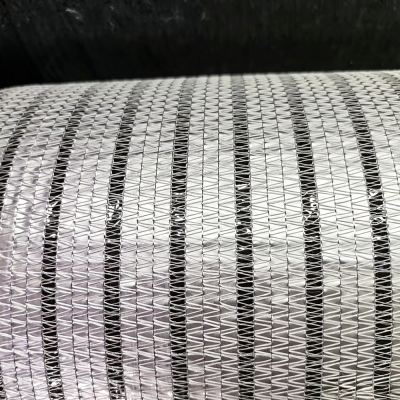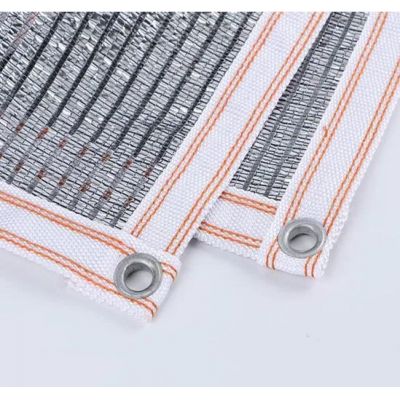


The reason growers ask for this version is seldom about shade. It comes up when a building has to satisfy a fire specification, when an insurer wants to see documentation for the screens in a roof, or when a public or commercial house sits close to a walkway and the client will not accept a cloth that carries flame across the span. Our flame retardant net is made with the same reflective foil face as the standard range and the same woven construction, so the shading and heat behaviour are unchanged. What is different is the additive in the polymer and the test data that goes with the batch.
This version is ordered for a reason that has little to do with shade. It comes up when a building has to meet a fire specification, when an insurer asks to see documentation for the screens in a roof, or when the client on a public or commercial house will not accept a cloth that carries flame across the span.
A woven screen runs across a roof in long unbroken widths, which is exactly the geometry that lets a small flame travel. In a house where people work, or where the structure sits beside a walkway or a storage area, that is a risk the client is often not willing to carry, and it is the point at which a standard net stops being acceptable regardless of what it does for the crop.
The requirement usually arrives as a clause rather than as a preference. Once it is in the specification, the screen either documents against it or the order does not proceed, which is why this version is kept as a separate line rather than sold as an upgrade to the standard cloth.
What changes is the additive in the polymer and the test data that goes with the batch. The reflective foil face, the woven construction and the shade rate are the same as the standard range, so a house that was specified for heat reflection and thermal control does not have to give up any of that to meet the fire clause.
What does not change is the handling. It is cut, edged and run on the same hardware as any other screen in the range, so an installer who has fitted the standard net will find nothing new on site.
| Material | Aluminium foil strip with flame retardant HDPE |
| Construction | Woven foil and film strip net |
| Shade Rate | 95%, other rates to order |
| Energy Saving | Around 30% on cooling load |
| Flame Treatment | Flame retardant additive, batch records supplied |
| Colour | Silver, other options to order |
| Model | ASN-005 |
| Packing | PE bag or woven bale, customised on request |
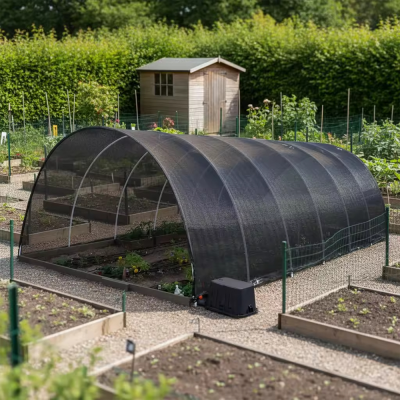
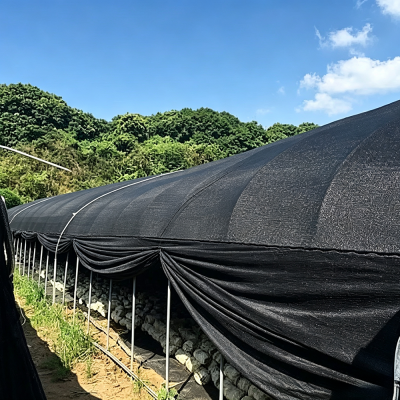
The clause turns up on three kinds of job. Public and commercial houses, where a fire officer or an insurer is involved. Houses that share a boundary with a walkway, a car park or a storage area. And installations where the screen runs over an open crop rather than under glass, so the cloth itself is the only thing between the crop and whatever is happening around it.
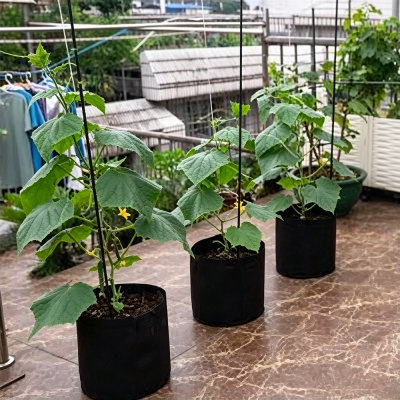
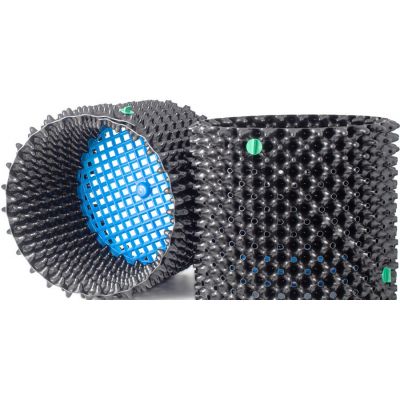
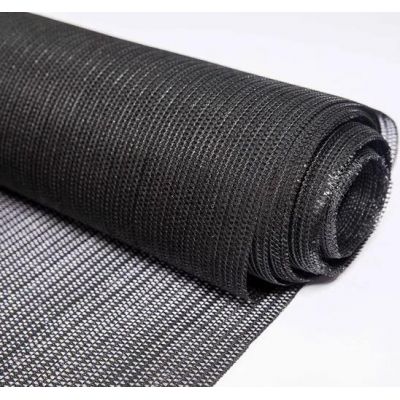
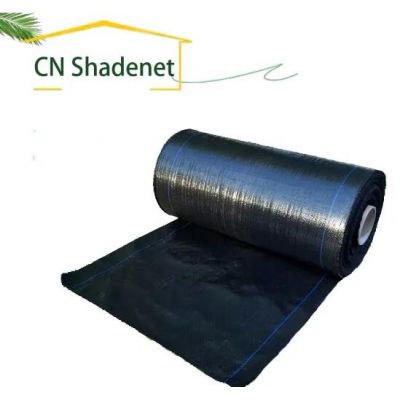
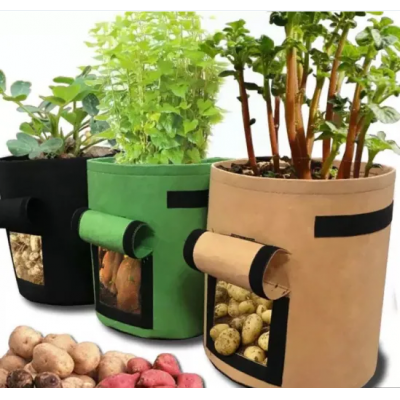
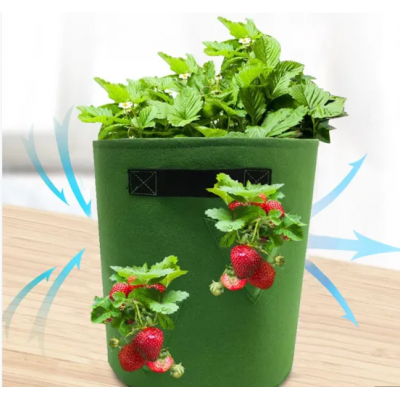
In all three the screen is doing the same two jobs it does in the standard version. Growers running container crops under either screen pair it with a planting bag, and the wider shade net range covers knitted and tape types. The thermal control version and the heat reflection screen are usually ordered alongside it.
A flame retardant claim is worth nothing without a record, so the additive and the test data are kept together by batch rather than by season. Our nets go through the same five in-house checks as the rest of the range, ageing and tensile included, and the flame treatment is documented separately so the paperwork travels with the shipment.
We have been making agricultural netting since 2011, in a plant of close to 10,000 square metres with more than 50 machines. Protected cropping and safety in covered structures are covered in the trade press, including the reporting at Hortidaily and the coverage at Greenhouse Grower trade magazine. Company background sits on our about page.
Does the flame retardant version shade differently?
No. The foil face, the weave and the shade rate are the same as the standard range, so the shading and the heat behaviour are unchanged.
Can you supply documentation for an insurer?
Yes. The additive and the test data are kept together by batch, and the flame treatment paperwork travels with the shipment.
Does it need re-treating?
The treatment sits in the polymer rather than on the surface, so it is not a coating that washes off over the life of the screen.
Can it be cut to my house?
Yes. Screens are cut to the width and length you send, and the edging is set to the hardware you are fitting to.
Tell us the clause you are working to, the size of the house and the shade rate, and we will confirm what the screen can document against it.
Mark Wu, Co-founder & Technical Director, Sichuan Zhifang Net Industry. 15 years manufacturing agricultural nettings for growers in 32 countries.
Specified this screen on a project? Leave a review below and tell other buyers how it went.