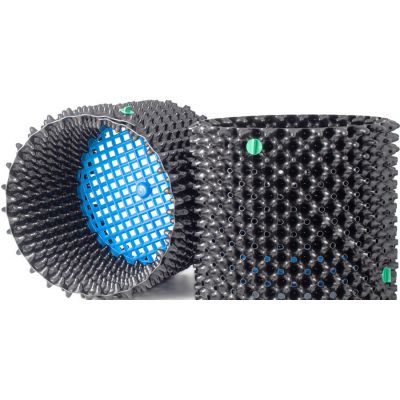
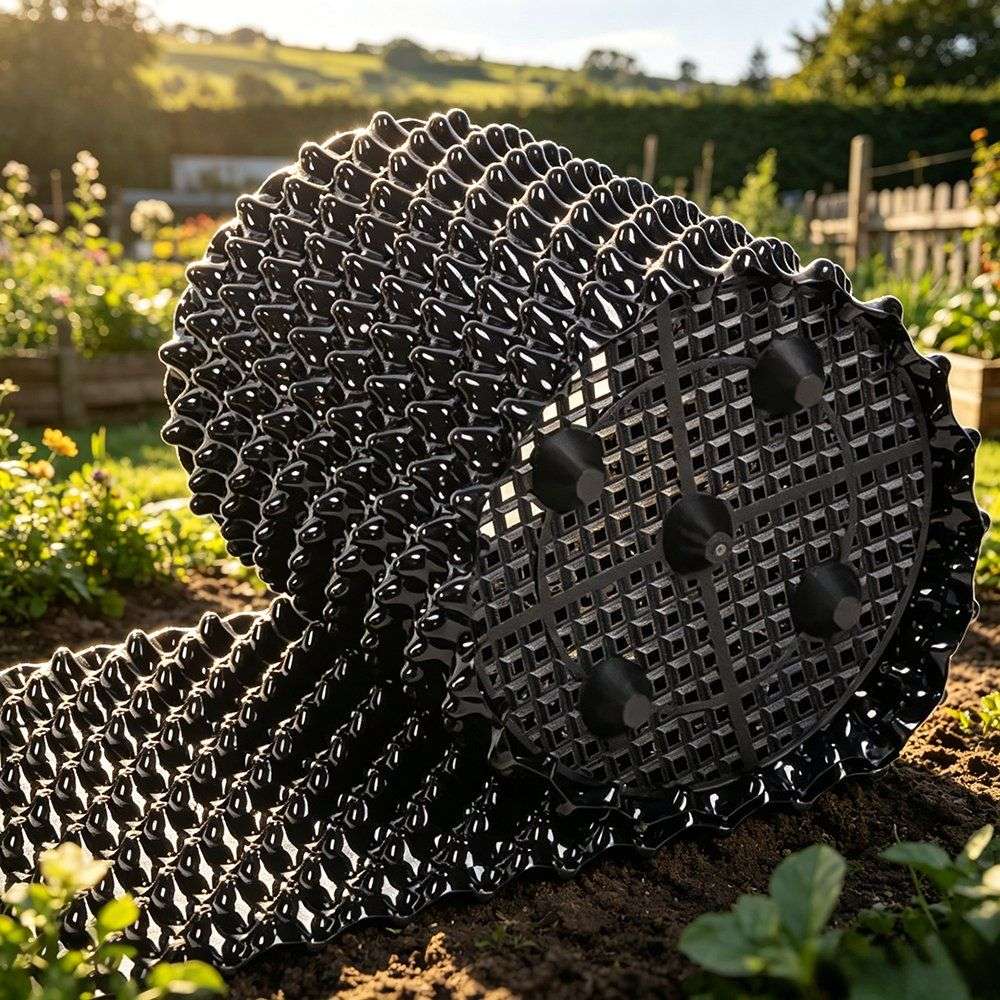


How roots leave the nursery decides how a conifer stands twenty years later, and forestry planting gives almost no second chances on the way back. This pot is built around that truth: root tips meet the slotted wall, air prune, and the seedling answers with strong laterals while the taproot keeps its orientation. The result is a plug that goes into the ground wind firm and drought tolerant, from a container moulded in UV resistant PE that survives the rough handling of a forest nursery. Panels split and open without disturbing the root mass, and bulk orders ship flat to remote sites.
Forestry planting is a long game with a short critical window. How the roots leave the nursery decides how the tree stands decades later on the hillside, and this container is built around that window for conifer stock.
A conifer that leaves the nursery with a deformed root system can die years after it is in the ground, when the first real drought or storm arrives and the anchor is not there. The fix starts in the container: when root tips meet the slotted wall they air prune, and the seedling answers with strong lateral roots while the taproot keeps its correct orientation. The plug that goes into the soil is fibrous and deep rooted rather than coiled, so establishment is not left to luck. The same root wall runs across the air pruning pot range.
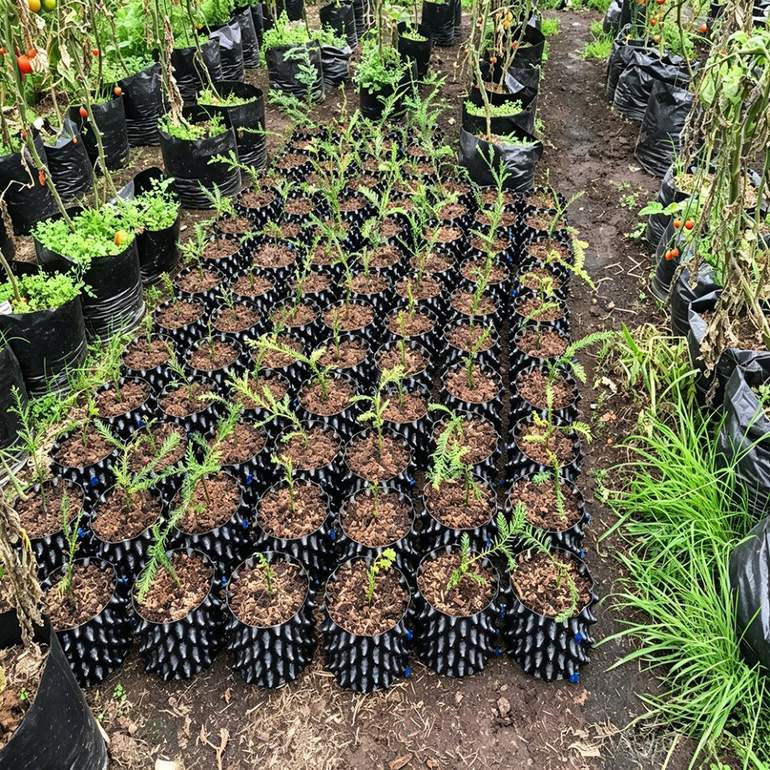
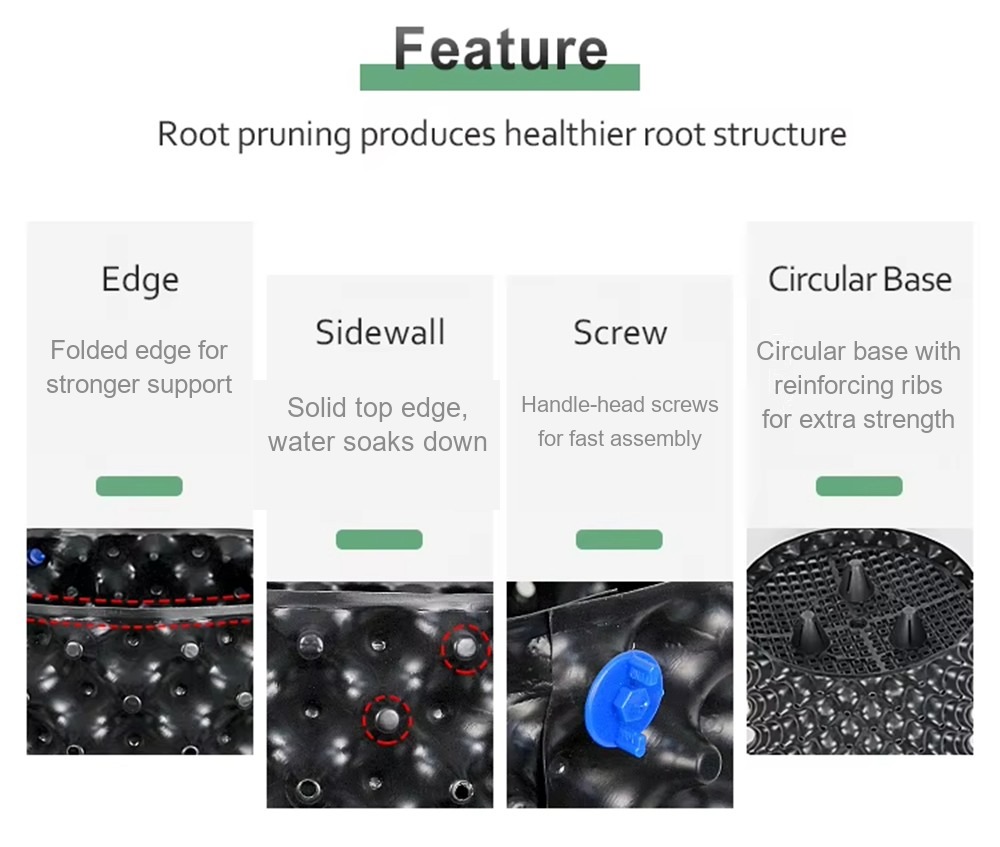
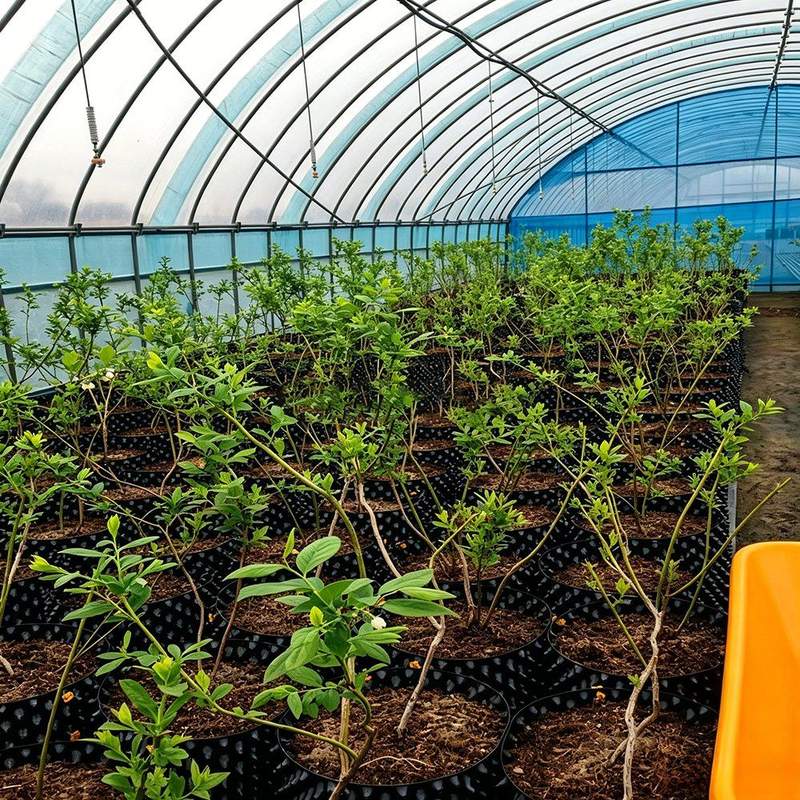
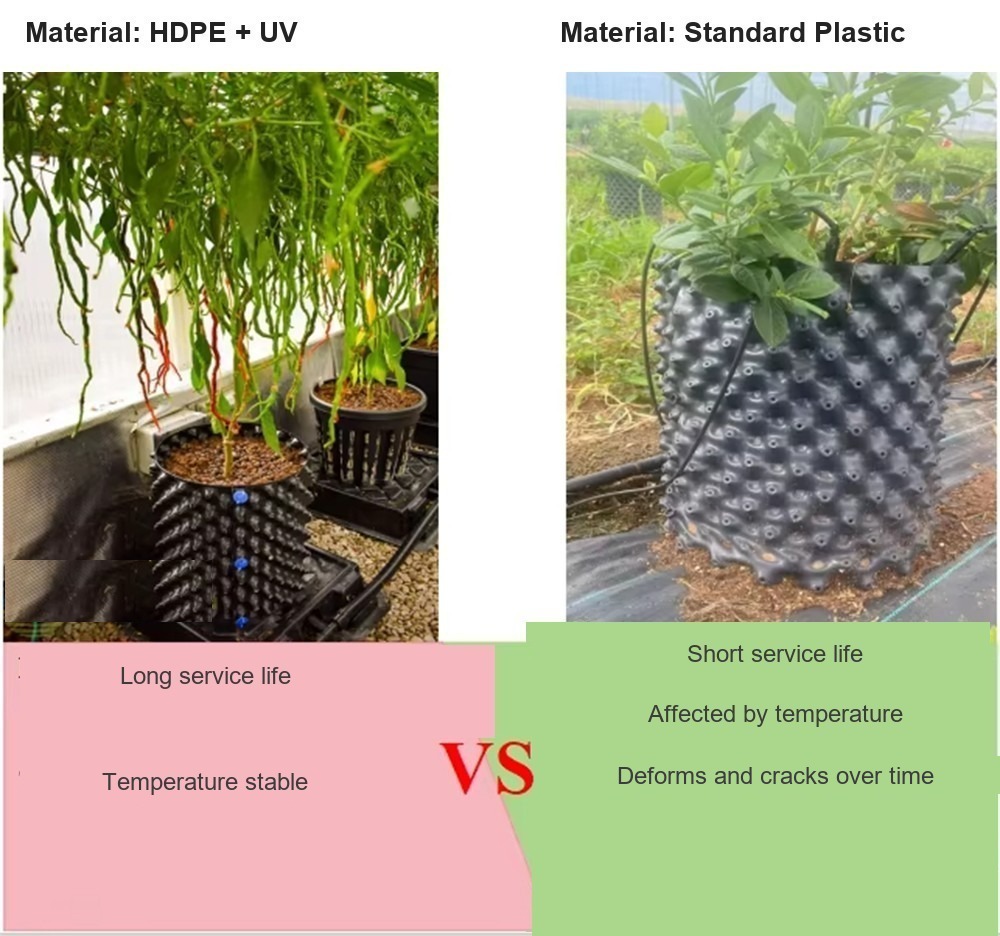
Both properties come from the same place: the root mass built in the nursery. A deep root trainer effect produces a sapling that anchors against wind and finds water through a dry summer, which is exactly what an exposed planting site demands. The container itself is moulded from robust, UV resistant PE, so it endures the rough handling and staging of large forest nurseries before the stock even reaches the hill. Seasons of reuse are normal: clean the panels, stack them flat, and the same set goes back into production.

| Use | Conifer forestry, timber plantations, forest nurseries |
| Material | PE/PVC |
| Diameter | 20-70 cm, or customised |
| Height | 20-70 cm, or customised |
| Thickness | 0.6-1.2 mm, or customised |
| Base diameter | 20-60 cm |
| Colour | Black, or customised |
| Customisation | Accepted |
| Samples | Available |
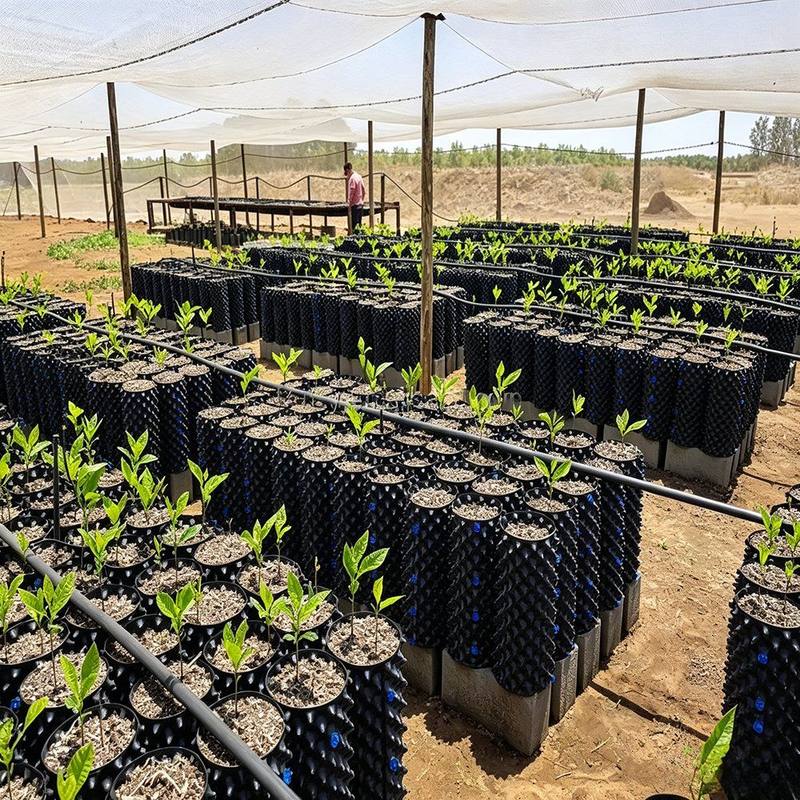
The container moves through the same chain as the trees: staged in forest nurseries, loaded for transport, then opened at the planting site with the root plug intact. Government and agency forestry contracts and commercial timber operations both run on this pattern, choosing the pot size against the target species and the site conditions. Larger formats in the same programme run in the tree and nursery container range.
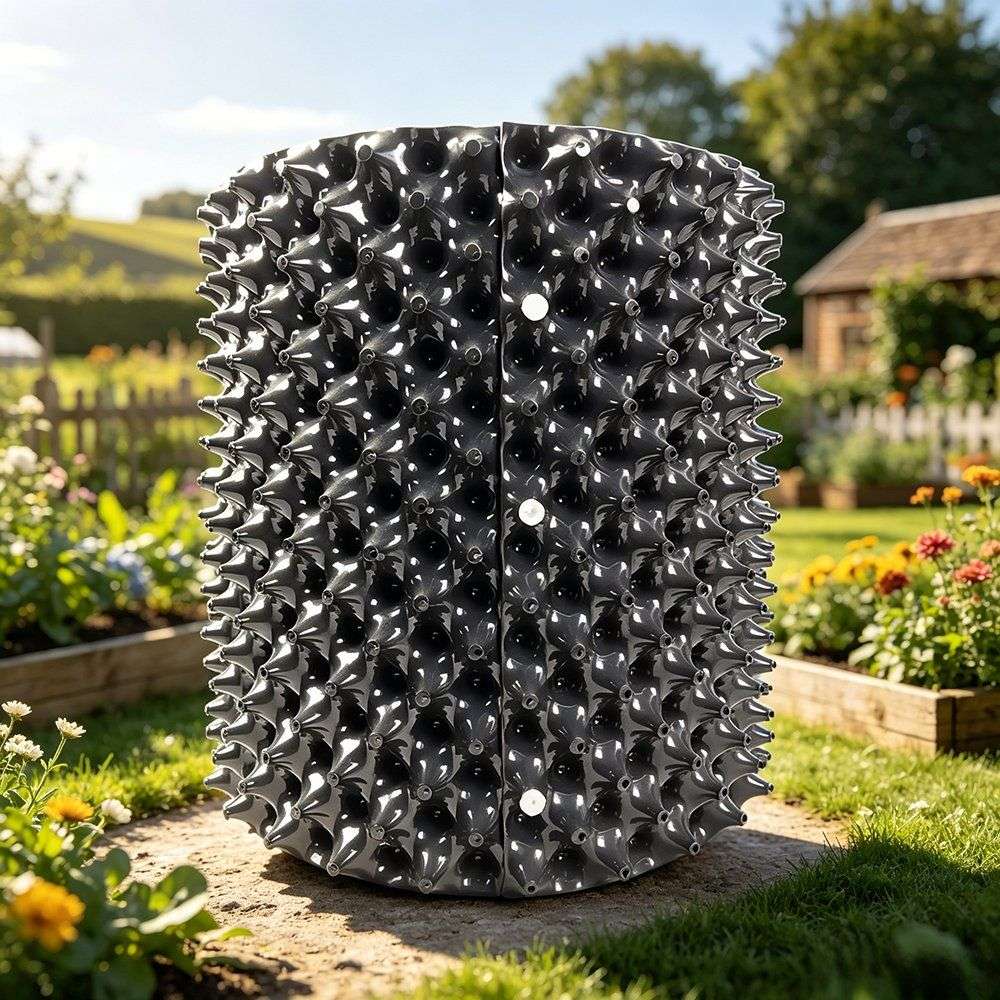
Custom dimensions and thicknesses are accepted against the species being grown, from 20 to 70 cm in diameter and height, so a contract can match the container to the planting plan rather than work around a stock size. Panels and bases ship flat and nested, which cuts transport costs to remote sites sharply compared with assembled containers. Samples let a forest manager test the panel and split design before a bulk commitment. For soft-wall growing in the same programme, the planting bag alternative covers flexible containers. Trade coverage of growing practice runs at HortiDaily and FreshPlaza.
Why does deep root shaping matter for conifers?
A coiled or shallow root system fails years after planting, when drought or wind tests the anchor. Air pruning builds laterals and keeps the taproot oriented while the tree is still in the nursery.
Can the planter be reused across seasons?
Yes. The UV resistant PE body and screw fixings take cleaning and reassembly, so panels go back into production after each planting cycle.
How do bulk orders reach remote sites?
Panels ship flat and nested with bases stacked separately, which keeps freight volume down, and custom dimensions are cut to the planting plan.
Tell us the species, site conditions and volumes in your planting contract and we will come back with the packing plan and lead time.
Mark Wu, Co-founder & Technical Director, Sichuan Zhifang Net Industry. 15 years manufacturing agricultural nettings for growers in 32 countries.