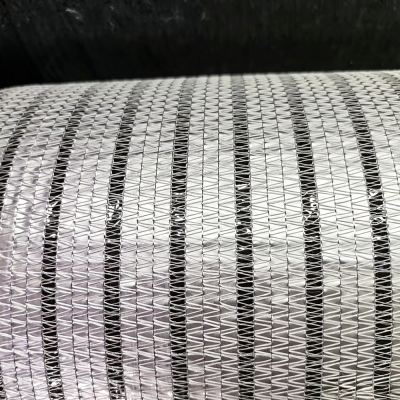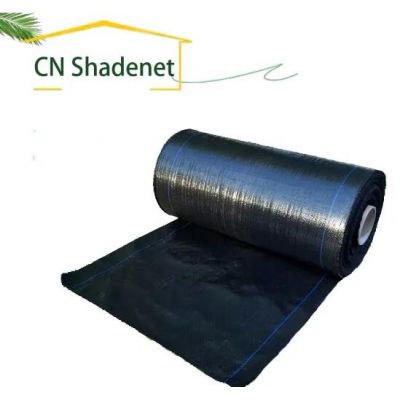


On a vegetable farm the cost of weeds is not the weed, it is the crew that comes through the beds every few weeks to pull them. That is the line a ground cover is really bought against, and it is why the fabric has to do two opposite things at once: be tight enough that the light does not reach the soil, and open enough that water and air still go down to the roots. A plain woven HDPE does both, because the openings sit between the yarns rather than in a punched film. The cloth is used as a mulch film replacement, covers common row spacings, and is available with a flame retardant option for farmstead areas.
Farm ground cover is usually justified on the material it replaces, but that is not where the money is. The cost of weeds on a vegetable farm is the crew that walks the beds every few weeks, and the only way to remove that line from the budget is to stop the weeds coming up in the first place.
Hand weeding a bed is a recurring cost: the same ground is worked again and again through the season, and it is the number of passes rather than the rate that decides what it comes to. Covering the soil removes the passes, because the weed never germinates and there is nothing to pull. That is what the fabric is being bought against, and it changes how the purchase should be judged: a heavier cover that stays down for several seasons is not expensive against a lighter one that has to be replaced, it is the lower cost option once the weeding is taken out of the sum. The same cloth is laid over beds, along row spacings and around packing and farmstead areas.
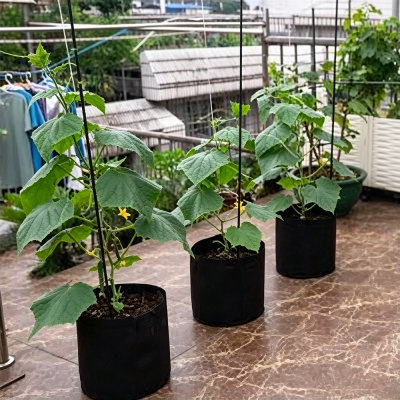
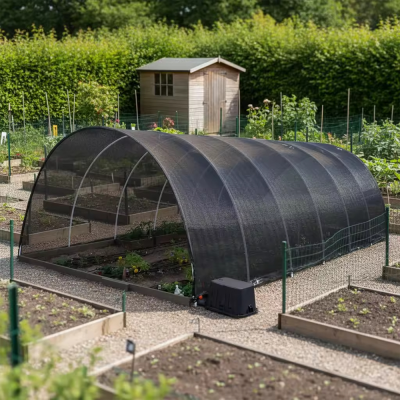
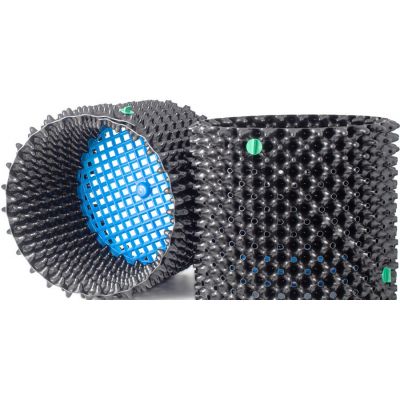
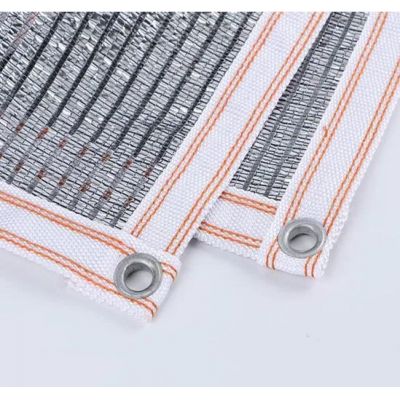
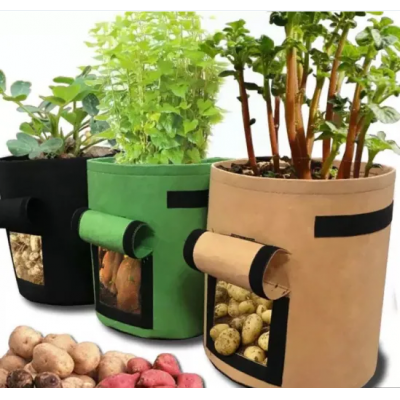
The fabric is laid over prepared beds before planting, with the crop going in through slits cut on site, and it is used along the row spacings where the weeds would otherwise grow up between the crop and the path. Because the weave passes water and air, the soil underneath stays alive and the irrigation reaches the roots rather than sheeting off. It is also used on bare ground around packing sheds and farmstead areas, where the flame retardant option matters. Growers standing containers on the same ground often order a planting bag alongside it, and the shade net range covers the covers that go over the crop rather than into the ground.
| Model | WB-056 |
| Material | Woven HDPE plain weave, UV resistant |
| Width | Standard widths to suit common row spacings |
| Length | Cut to your requirement |
| Colour | Black |
| Water and air | Permeable, percolates through the weave |
| Options | Flame retardant available on request |
| MOQ | 5000 m2 |
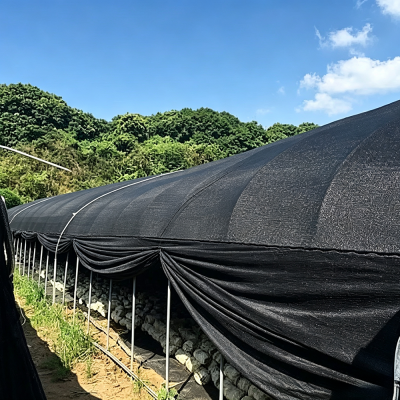
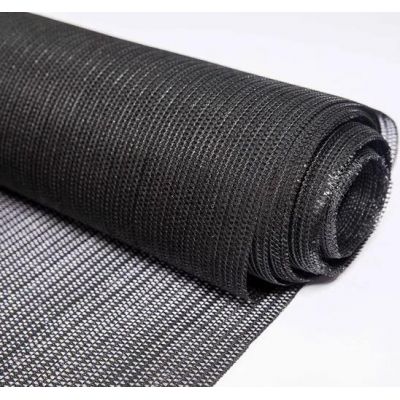
The reason this works as both a mulch film replacement and a weed cloth is the construction. The light is stopped by the density of the weave rather than by a solid sheet, so the fabric can be tight enough to keep seed from germinating while the gaps between the yarns still drain. A solid film does the first job and fails the second: water sits on it or runs off, and the soil underneath goes stale. On a bed that is being irrigated through a dry spell that difference decides whether the crop has water where the roots are. Where the requirement is covering plants above ground rather than the soil below, a knitted monofilament net is the better fit.
Width, length, colour and the flame retardant option are made to order, and the standard minimum order quantity is 5000 m2. OEM marking can be added where the goods are being sold on. Send us the bed plan with the row spacing and the total area, and we will work out the widths and cut lengths so the beds are covered in as few drops as possible. Buyers tracking what is going onto vegetable ground can follow trade coverage such as HortiDaily and FreshPlaza for what growers are laying.
Will the crop get enough water through the fabric?
Yes. The water drains through the gaps between the yarns rather than sitting on a solid sheet, which is the difference between this and a plastic film. Tell us how the beds are irrigated and we will confirm the grade.
How many seasons will it last?
The working life depends on the grade and how the bed is worked, and the heavier construction is what allows it to be lifted and relaid. Tell us the rotation and the traffic and we will advise.
Is a flame retardant option available?
Yes, on request, which is mainly used on bare ground around packing sheds and farmstead areas. It has to be built into the fabric, so it needs to be on the order.
Tell us the bed plan with the row spacing, the area to be covered and what the ground is used for, and we will confirm the widths, the cut lengths and the packing that suit your order.
Mark Wu, Co-founder & Technical Director, Sichuan Zhifang Net Industry. 15 years manufacturing agricultural nettings for growers in 32 countries.