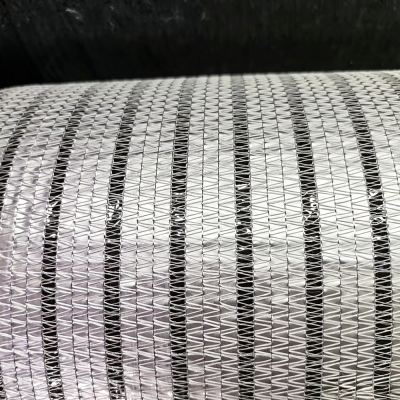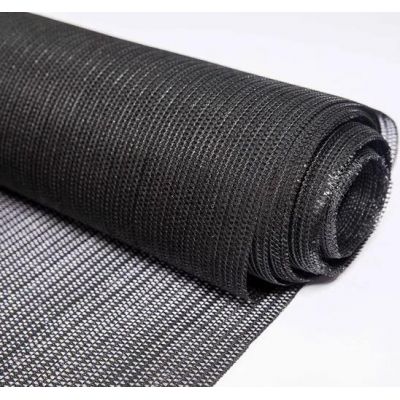


This is the balcony shade net we supply where ventilation matters as much as the shading, and the reason a knitted net answers both is visible in the weave: the yarns cross at a pitch that breaks the sight line and cuts a share of the light, while the gaps between them stay open, so air keeps moving through the cover rather than being sealed behind it. On a balcony that difference is felt on a still summer afternoon. The HDPE carries UV resistance in the yarn and the edge is bound with grommets.
A solid screen on a balcony does the shading job and then creates another problem: the air behind it stops moving, and a covered balcony on a still afternoon turns into a greenhouse. This is the shade net we supply where that matters, and the reason a knitted net answers both is in the weave rather than in a coating.
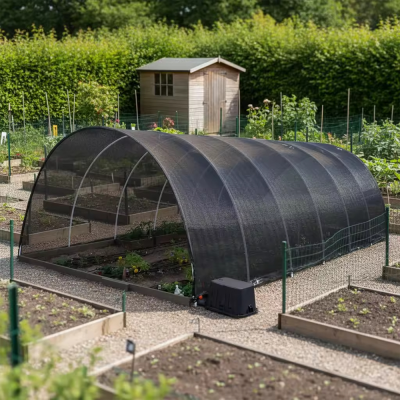
The yarns cross at a close pitch, which is what breaks up the sight line and cuts a share of the sunlight, but the gaps between them are never closed. Air keeps moving through the cover, so heat that builds under the net is carried off instead of sitting there, and a screened balcony stays usable in a way a solid panel does not. That is the practical difference between breathable shade cloth and an awning over the same rail, and it is why this grade is ordered for roof gardens and car parking as well as balconies.
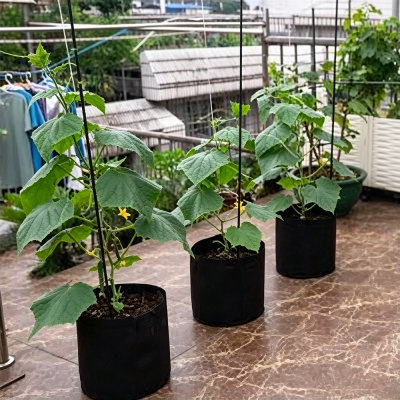
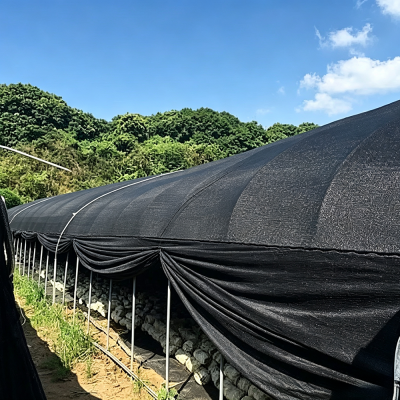
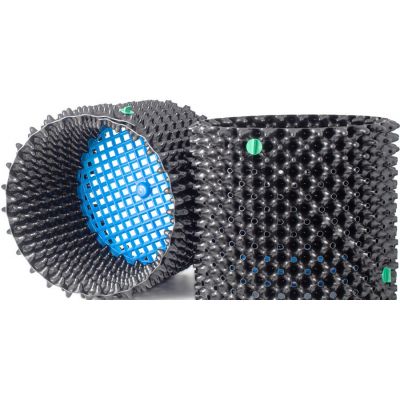
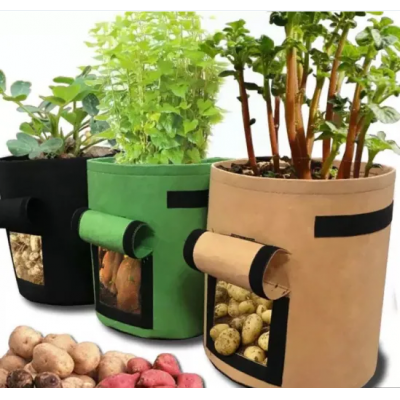
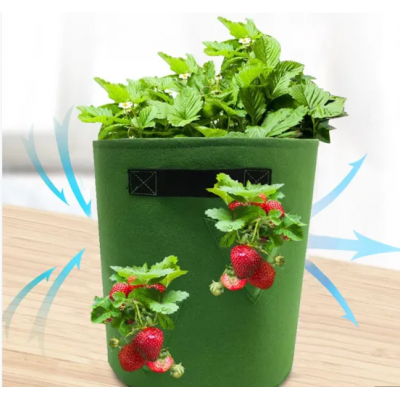
The net goes along a balcony rail, over a roof garden, across a car parking bay and around a patio, and the size is cut to the height you give us. Because it is supplied by the roll, one order covers a balcony and a longer roof edge from the same cloth. Households screening a bed behind the same net often pair it with a planting bag, and the wider shade net range covers the reflective grades where a heat reflective cover is wanted instead.
| Material | Knitted HDPE with UV resistant yarn |
| Function | Sun shading, privacy screening and wind reduction |
| Weave | Open knit, breathable, air passes through the cover |
| Colour | Stripes and solids, customised on request |
| Shade Rate | Made to order |
| Edges | Bound edge with metal grommets |
| Application | Balcony rail, roof garden and car parking bay |
| Packing | PP woven bag, customised on request |
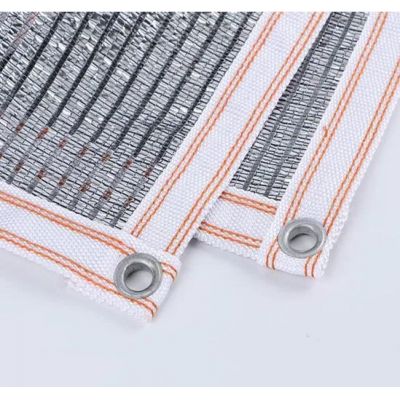
Held against the light the net shows the yarn running in two directions with open gaps between, which is the whole mechanism: shade without a seal. The grommets sit in a bound edge rather than being punched through the mesh, so the net can be tied hard to a rail or a bay post and taken down and put back without the fixing points opening up. A knitted monofilament net covers the shading job where a finer weave is wanted, while this net covers the balcony shade and privacy work.
Height, roll length, shade rate and colour are all made to order, so the first detail to confirm is the height of the rail or bay and the total run. Net ships in PP woven bags. Buyers tracking how shade net performs across a season can follow trade coverage such as HortiDaily and FreshPlaza for what is being installed.
Does a knitted net really let air through?
Yes. The yarn is knitted with open gaps between the strands, so air moves through the cover instead of being sealed behind it.
Will a breathable net still screen the balcony?
It breaks up the sight line across the rail while cutting a share of the light. A denser rate screens more completely if that is what the rail faces.
Can I order a different height, run or colour?
Yes. Height, roll length, shade rate and colour are all made to order. Tell us the rail height and the run.
Tell us the height and the total run you are covering, and the colour you are working to, and we will confirm the roll and the packing that suit your order.
Mark Wu, Co-founder & Technical Director, Sichuan Zhifang Net Industry. 15 years manufacturing agricultural nettings for growers in 32 countries.