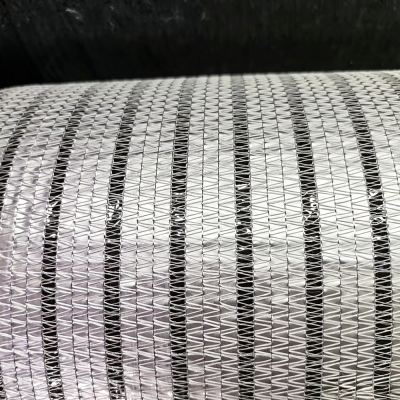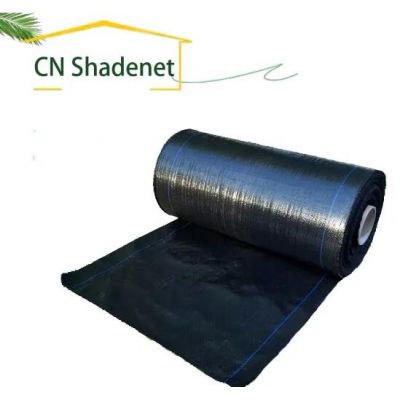


Landscaping work does not come in standard sizes. A bed is 3 m one week and 4.5 m the next, and a roll that is bought by width alone ends up being cut down on site with the offcuts going to waste. Buying the fabric cut to the project changes that: the width is set by the bed, the length by the run, and the cutting is done at the factory. The fabric is a tightly woven HDPE plain weave that holds the light off the soil, resists the abrasion from gravel and mulch on top of it, and lets water and air through. A flame retardant option is available.
Landscape maintenance is usually quoted by the project, and the materials that cause trouble are the ones that arrive in the wrong size. Ground cover is a good example: a bed is rarely the width of a standard roll, so the fabric gets cut on site, the offcut is the wrong shape for the next bed, and the waste is written off against the job.
Ordering the fabric cut to the sizes on the drawing removes most of that waste and a good deal of the labour. The beds are taken off the plan, the widths and lengths are set from them, and the fabric arrives cut rather than as a roll to be worked through on site. For a run of similar beds it means one drop per bed and no joins to close; for a one-off bed it means the width matches the drawing instead of the nearest roll size. It also means the quantity can be calculated from the plan rather than estimated from the area, which is where the over-ordering usually creeps in on a landscaping quote.
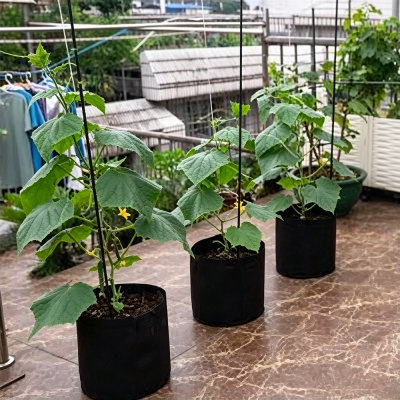
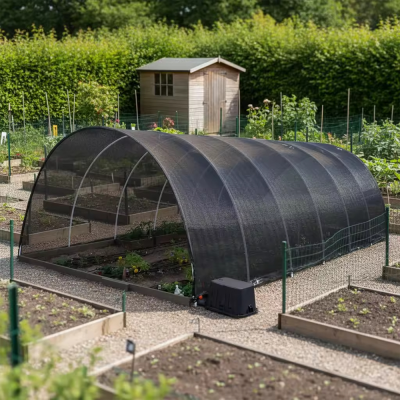
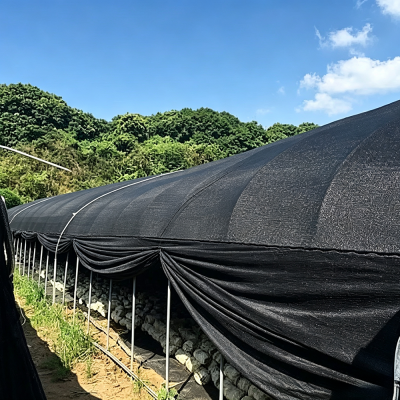
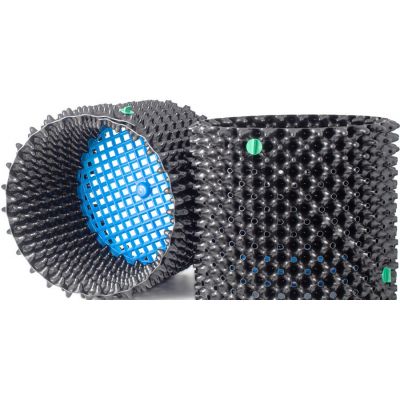
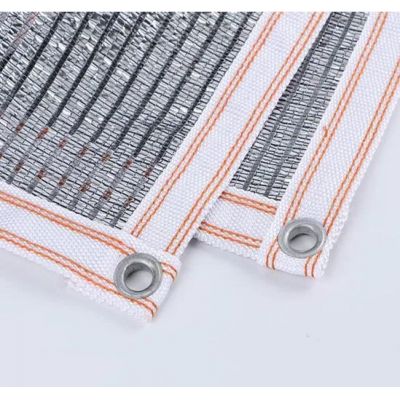
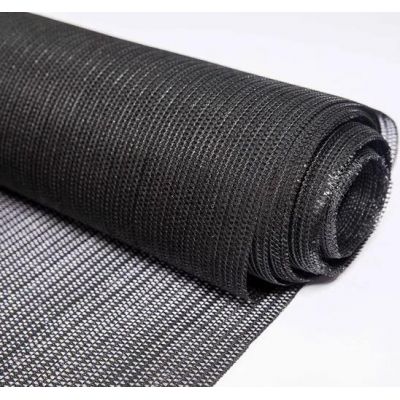
The fabric is laid under planting beds before the mulch goes down, along the edges of paths where grass is constantly coming through, and across the ground under benches, containers and equipment on commercial sites. Because the weave passes water and air, it does not turn a bed into a sealed pocket: irrigation and rain reach the soil, and the mulch above it is not sitting on a plastic sheet. The tightly woven plain weave is what gives it the abrasion resistance that a bed under gravel or bark needs, because the material on top of the fabric is grinding against it continuously. Growers and contractors working the same ground often order a planting bag alongside it, and the shade net range covers the covers that go over the plants rather than into the ground.
| Model | WB-047 |
| Material | Tightly woven HDPE, plain weave, UV resistant |
| Width | Up to 5 m |
| Length | Cut to your requirement |
| Cutting | Precision cut to size at the factory |
| Colour | Black |
| Options | Flame retardant available on request |
| MOQ | 5000 m2 |
On a landscape bed the fabric is under load from the day it is laid. Gravel, bark and stone sit on top of it, which means constant local abrasion at every point of contact, and if the weave opens under that load the fabric fails long before the sun would have finished it. A tighter plain weave carries that better than an open one, and it is the reason this grade is specified for beds rather than only for open field. The flame retardant option is worth knowing about for sites where a spec calls for it, since it is a line that cannot be added after the fabric has been made. Where the requirement is covering plants above ground rather than the soil below, a knitted monofilament net is the better fit.
Width, length, cutting and the flame retardant option are all made to order, and the standard minimum order quantity is 5000 m2. OEM marking can be added where the goods are being sold on. The most useful thing you can send is the bed schedule off the drawing, with the widths and the run lengths: from that we can work out how the fabric should be cut and how much is actually needed. Buyers tracking what is going into landscape and commercial ground can follow trade coverage such as HortiDaily and FreshPlaza for what is being installed.
Can the fabric be supplied cut to the sizes on my drawing?
Yes, cutting is done to size at the factory. Send the bed schedule with widths and lengths and we will confirm how it should be cut and what the quantity comes to.
Is a flame retardant option available?
Yes, it is available on request for sites where the specification calls for it. It has to be built into the fabric, so it needs to be on the order rather than added later.
Will gravel on top of the fabric damage it?
The weave is tight rather than open, which is what carries the abrasion from gravel and bark. Tell us what is going on top of the fabric and we will confirm the grade.
Tell us the bed schedule with widths and run lengths, and what will sit on top of the fabric, and we will confirm the cutting, the roll sizes and the packing that suit your order.
Mark Wu, Co-founder & Technical Director, Sichuan Zhifang Net Industry. 15 years manufacturing agricultural nettings for growers in 32 countries.