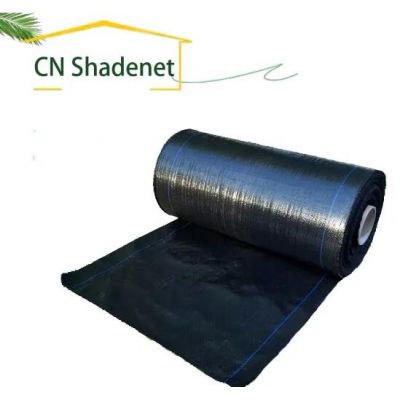


Buy cloth for an aisle and the order is only half finished. What decides whether the cover is still there at the end of the season is what held it down, which on an aisle means staples along the edges, clips or battens where the wind gets underneath, and seam tape over the overlaps so the joins cannot open up. These are the parts that get left off a quotation and sourced locally mid-job. We supply the cloth and the fixing together, so the roll arrives with what it takes to lay it: 150 gsm woven polypropylene, UV resistant, black, with a guide line down the length for setting the overlap.
Weed control fabric is usually quoted by the roll, and that is where most of the attention goes. The part that decides whether the cover is still flat in six months is the fixing, and on an aisle between vines or trees the fixing is doing more work than on a sheltered floor, because wind gets under the edge and lifts it.
Three things hold a cover down, and they fail in a predictable order. Staples hold the edges, and they are the first to matter on an open aisle where wind works along the outside. Clips or battens take the load where the cloth is being lifted by gusts or where a wheel crosses it, because a staple alone will pull through a woven cloth under that kind of repeated load. Seam tape covers the overlaps, and it is the one item that is almost always forgotten: an overlap that is not taped will open where the cloth settles, and once it opens the weeds come up in the join. Ordering the three with the cloth means the job is finished in one pass rather than in two, and it means the hardware is matched to the width ordered instead of being improvised on site.
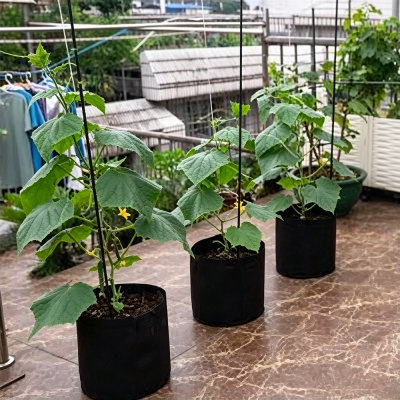
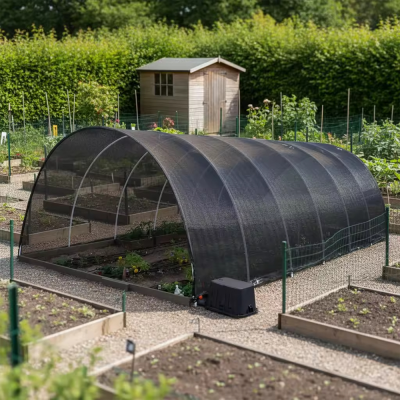
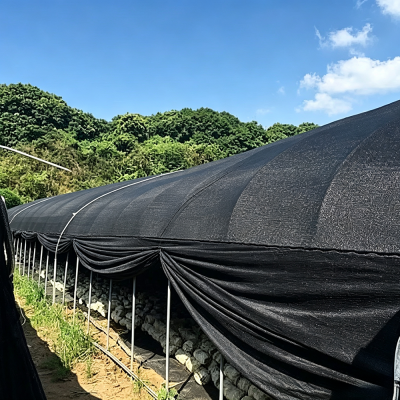
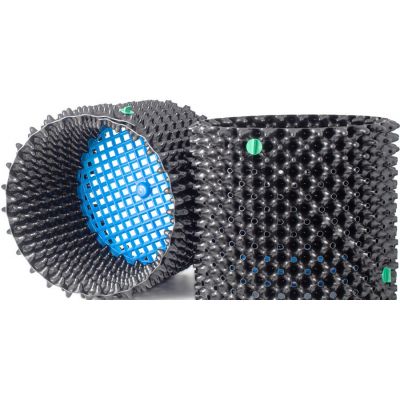
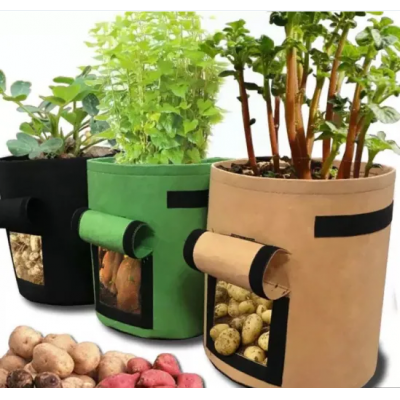
The cloth is laid along the aisles between vines and the row strips in an orchard, down the bays of a nursery and across the ground under a greenhouse where weeds come up between the benches. In an aisle the width is often chosen to match the mower or the sprayer that runs down it, so the wheels stay on the cloth rather than on the edge. Because the weave is permeable, water and air still reach the soil under the cover, and the guide line down the length is what keeps the overlap true when the next drop goes down. Growers raising stock on the same ground often order a planting bag alongside, and the shade net range covers the covers that go over the crop rather than on the ground.
| Model | WB-032 |
| Material | Woven polypropylene, UV resistant |
| Weight | 150 gsm |
| Width | Made to order to suit the aisle or bay |
| Length | Made to order |
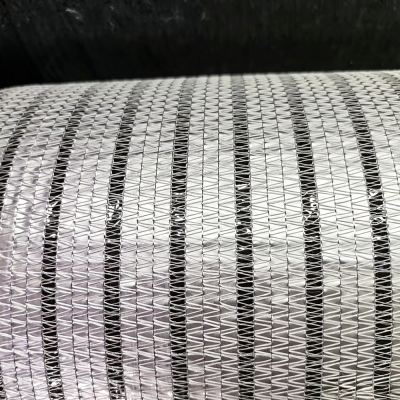
| Colour | Black with a guide line for setting the overlap |
| Fixing | Ground staples, clips and seam tape available with the roll |
| MOQ | 5000 m2 |
The staples are the standard ground type and are set at a spacing that holds the edge along its length rather than at a few points. The clips take the load at a corner or where a wheel passes. The seam tape is laid over the overlap, and because the cloth carries a woven guide line down its length, the overlap can be set to a fixed width for the whole run instead of being judged by eye and drifting. It is worth ordering the fixing with the cloth for one more reason: the quantity of staples and tape follows from the drop widths, so if the widths are being worked out for the layout anyway, the hardware can be calculated at the same time. Where the requirement is covering the crop above ground rather than the soil, a knitted monofilament net is the better fit.
Width, weight, roll length and colour are made to order, and the standard minimum order quantity is 5000 m2. OEM marking can be added to the roll where the goods are being sold on. Send us the aisle widths, the row spacing and the total area, and we will work out the drop widths, the overlap and the quantity of staples and tape that goes with the order. Buyers tracking what is being laid on orchard, vineyard and nursery ground can follow trade coverage such as HortiDaily and FreshPlaza for what growers are installing.
Do I need the fixing, or can I just lay the cloth?
On an aisle, the edges have to be held. Staples along the length and clips or battens where the wind gets under are what keep the cover flat through the season. Tell us the aisle and we will quote the fixing with the cloth.
How is the overlap kept even?
The cloth carries a woven guide line down its length, so each drop is laid to the same line rather than by eye. That keeps the overlap at a set width and stops fabric being wasted on joints that are wider than they need to be.
Will the staples pull through the cloth?
Not under normal use, provided the load is spread. Where a wheel or heavy traffic crosses the cover, a clip or batten takes the load instead of a single staple. Tell us how the aisle is used and we will advise.
Tell us the aisle widths, the row spacing and the total area, and we will confirm the drop widths, the overlap, the fixing quantities and the packing that suit your order.
Mark Wu, Co-founder & Technical Director, Sichuan Zhifang Net Industry. 15 years manufacturing agricultural nettings for growers in 32 countries.