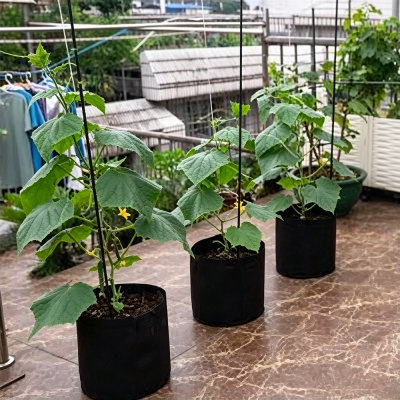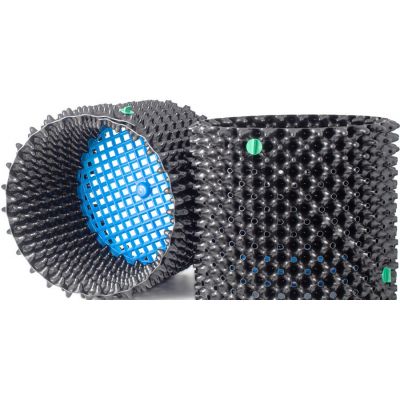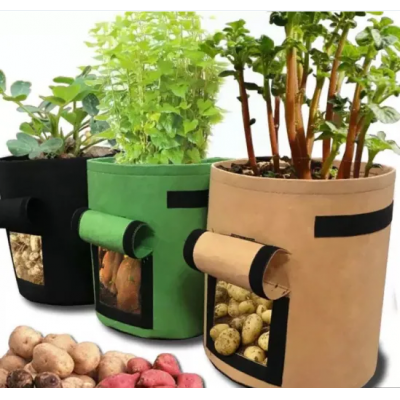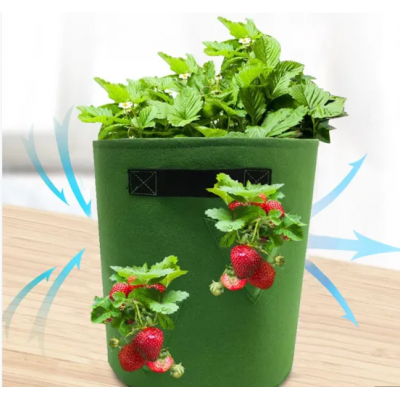


For a wholesaler the interesting number on a grow bag is not the fabric weight, it is how many of them fit on a pallet. A rigid pot is mostly air, and that air is what gets paid for at the port. A fabric bag folds flat, so the same pallet holds roughly five times the units, and the saving shows up twice: once in the freight and once in the warehouse space the stock occupies between seasons. The bag itself is non woven with a porous wall that air prunes the root tips and drains the excess water, and it is quoted for three growing cycles rather than one, which is what makes the per-season cost work out.
Two suppliers can quote the same bag and the delivered cost can still be different by a wide margin, because what is being shipped is mostly air unless the product is made to fold. That is the part of the specification a wholesaler should be asking about before the fabric weight.
Buying from the factory rather than through a trader changes three things that matter on a repeat order. The fabric specification is fixed by the people who make it, so the second container matches the first instead of drifting; the colours and handle configuration can be set for a specific customer rather than picked off a list; and the packing can be arranged for the way the goods are actually distributed. The bag folds flat, which is the part that affects the invoice: a pallet of folded bags holds roughly five times the units of the same pallet of rigid pots, so the freight per unit and the storage per unit both come down.
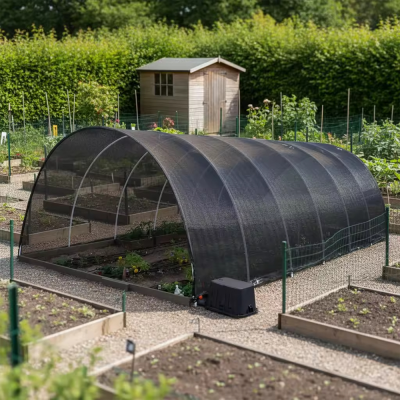
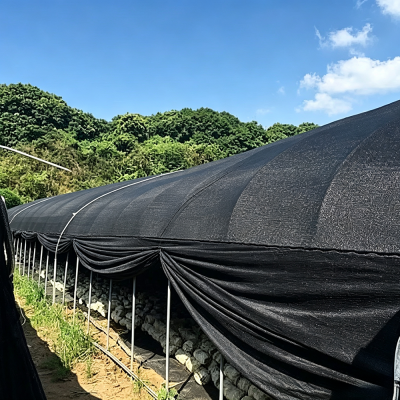
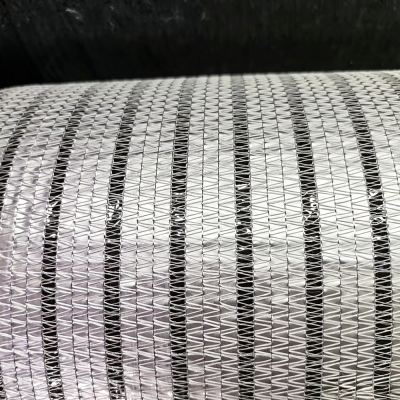
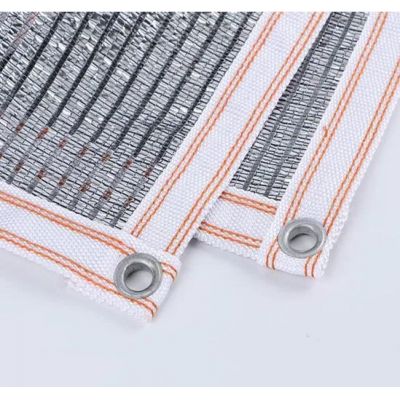
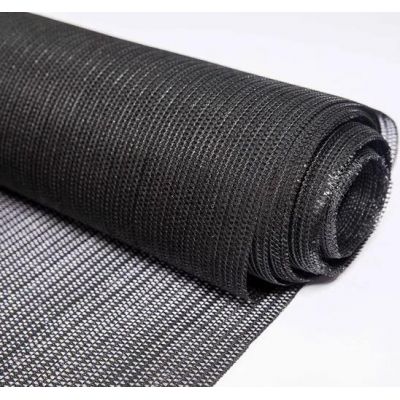
The bags are used for greenhouse vegetables standing on benches or on the floor, for container beds outdoors, and on hydroponic and fertigation benches where the medium is being flushed regularly and drainage has to be quick. The porous wall gives steady oxygen exchange at the root zone and drains excess water away, which is what keeps a container crop from sitting wet after a heavy irrigation cycle. Growers buying for the same houses often take a planting bag from the same range, and where the house also needs shade or humidity control, the shade net range covers that separately.
| Model | PB-038 |
| Material | Non woven felt fabric |
| Size | 1 to 500 gallon, or made to your requirement |
| Colour | Black, or to your requirement |
| Handles | Two side handles |
| Working life | Three growing cycles |
| Packing | Bag, pallet or carton; folds flat for bulk freight |
| Supply | Factory direct, with free sample available |
Three cycles is the figure quoted for the working life, and it is worth putting next to the price rather than reading alone: a bag used for three seasons costs a third of the quoted price per season, which is usually less than a lighter bag replaced each year once the labour of replacing it is counted. The freight side works the same way. Folded bags take a fraction of the volume of rigid containers, so a container or a pallet carries several times the stock, and the difference lands on the landed cost per unit rather than on the unit price. Where a round rigid container is wanted instead, a grow bag with air pruning seams is also available.
Sizes run from 1 to 500 gallon, with anything outside that made to order. Colour, logo, handle configuration and packing are all set with the order, and a free sample is available so the fabric can be checked before a container is committed. Tell us the crop, the size, the quantity and how the goods will be distributed, and we will confirm the specification and the packing. Buyers tracking what is going into greenhouse and container vegetable production can follow trade coverage such as HortiDaily and FreshPlaza for what growers are installing.
How much does flat packing actually save?
A pallet of folded bags holds roughly five times the units of the same pallet of rigid pots, so the freight and the warehouse space per unit both fall. Tell us the volume you move and we will work it through.
How many seasons will the bag last?
The working life is three growing cycles, which is what makes the per-season cost work out against a lighter bag replaced annually. Tell us the crop and how the bags are handled.
Can the specification be held consistent across repeat orders?
Buying factory direct is what keeps the fabric, colour and packing the same from container to container rather than drifting between suppliers. Tell us what has to stay fixed.
Tell us the crop, the size, the quantity and how the goods will be distributed, and we will confirm the specification, the sample and the packing that suit your order.
Mark Wu, Co-founder & Technical Director, Sichuan Zhifang Net Industry. 15 years manufacturing agricultural nettings for growers in 32 countries.