

Spawn work fails in one of two ways: the substrate is not clean enough, or it is clean and then gets recontaminated before the mycelium has taken. The bag is involved in both. It has to survive the sterilisation cycle in the first place, which on a standard bag means the fabric softening or the seams letting go at 121 C, and it then has to keep bacteria out while still letting the culture breathe. That second job is what the filter patch does: air and gas move through it, organisms do not. Get both right and the batch runs clean, which is where the difference in contamination rates comes from.
A mushroom bag is not a plant pot with a different label on it. It goes through a pressure cooker before it is used for anything, and it is then expected to keep a sterile substrate sterile for weeks while a culture colonises it. That is a different set of demands from a bag that stands on a patio.
Sterilising substrate means heat and steam, and the usual cycle runs at 121 C. A bag that was never specified for that either softens, so the seams start to move under the weight of wet substrate, or it survives the cycle and then tears at the fold when it is handled hot. Both failures cost a whole batch rather than one bag. The bags here are made to be autoclaved at 121 C, which comes down to the polymer and the way the seams are made rather than to the fabric weight alone. It is worth checking that figure on a quotation, because a bag that is only described as heavy duty tells you nothing about what happens at temperature.
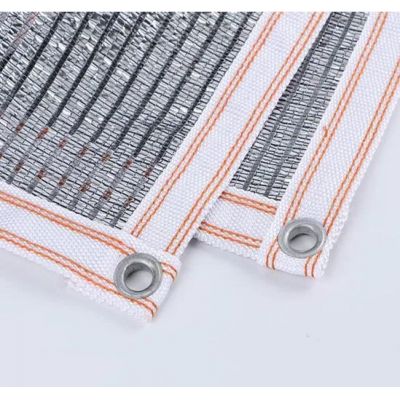
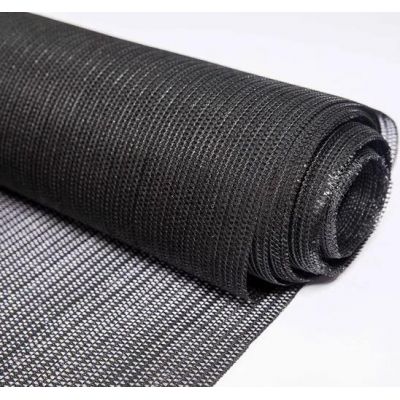
The bags are used for grain spawn, for supplemented sawdust and rye berry substrate, and for fruiting blocks of shiitake and oyster where the block is opened and fruited in place. The room they sit in is usually held at high humidity, so the fabric also has to hold moisture without turning into a wet sheet, and to resist tearing when blocks are moved in and out. A grower running this setup reported contaminated batches falling by around 60 per cent after switching, which is the sort of number that comes from the batch not being lost rather than from anything the bag does by itself. Growers ordering for the same rooms often take a planting bag from the same range, and where the fruiting room also needs shade or humidity control, the shade net range covers it.
| Model | PB-035 |
| Material | Non woven felt fabric |
| Sterilisation | Autoclavable to 121 C |
| Filter | Microporous patch for gas exchange |
| Size | 1 to 500 gallon, or made to your requirement |
| Colour | Black, or to your requirement |
| Packing | Bag, pallet or carton |
| Sample | Free sample available |
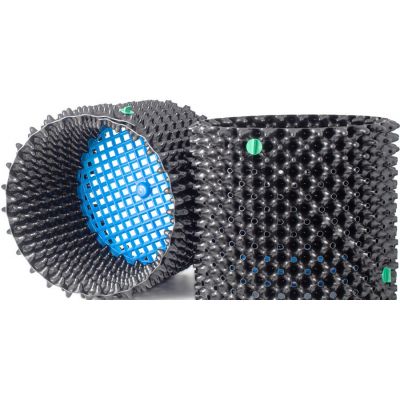
The patch is the part that has to do two opposite things at once. A sealed bag starves the culture, because the mycelium is respiring and the gas has to go somewhere; an open bag lets contaminants in and the batch is lost. A microporous filter sits in the middle of that, passing gas while being tight enough to keep organisms out, and it is why the patch is a specified component rather than a hole or a fold in the fabric. On a fruiting block it also sets how fast the block colonises, because a block that cannot breathe runs slower than one that can. Where a round rigid container is wanted instead, a grow bag with air pruning seams is also available.
Sizes run from 1 to 500 gallon, with anything outside that made to order; spawn and substrate work usually sits at the smaller end while fruiting blocks are cut larger. Colour and filter configuration are specified with the order, and a free sample is available so the fabric and the patch can be checked before a bulk run. The bags are flat packed, which matters on a bulk order because they take a fraction of the space the same number of rigid containers would. Tell us the substrate, the block size and how you sterilise, and we will confirm the specification. Buyers tracking what is going into mushroom and greenhouse production can follow trade coverage such as HortiDaily and FreshPlaza for what growers are installing.
What temperature will the bag take?
It is made to be autoclaved at 121 C without melting or the seams moving under a wet load. Tell us your sterilisation cycle and the block size and we will confirm the specification.
How does the filter stay sterile?
The patch is microporous, so gas moves through it while organisms cannot. That is what allows the culture to breathe without the substrate being exposed to the room.
Does the bag work for shiitake and oyster blocks?
Yes, it is used for fruiting blocks of both, as well as for grain spawn and supplemented sawdust. Tell us the substrate and the block size and we will advise on the configuration.
Tell us the substrate, the block size and how you sterilise, and whether a filter patch is required, and we will confirm the specification, the sample and the packing that suit your order.
Mark Wu, Co-founder & Technical Director, Sichuan Zhifang Net Industry. 15 years manufacturing agricultural nettings for growers in 32 countries.