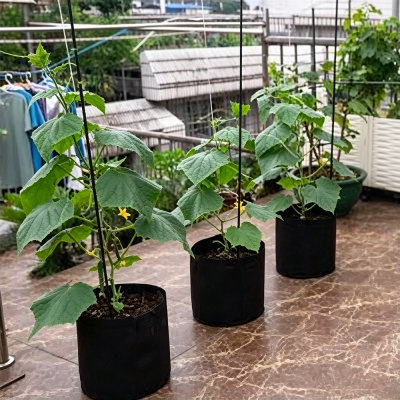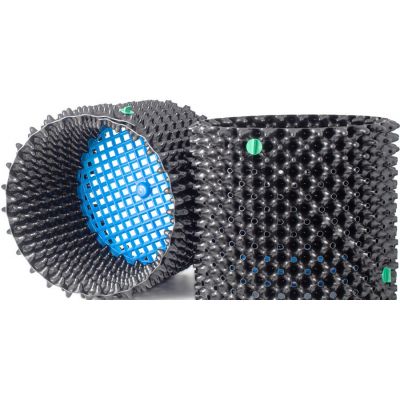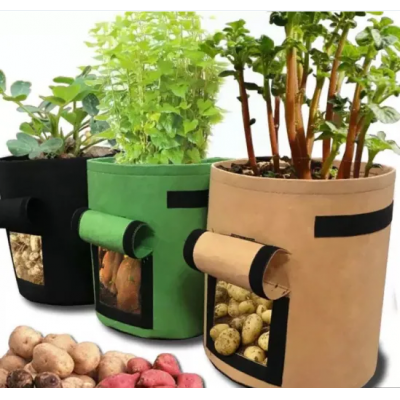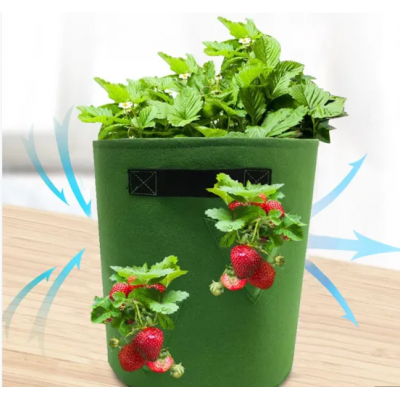


Two numbers decide whether a propagation run pays: how many seeds come up, and how many of those seedlings survive the move into the ground. They are usually treated as one, and they are not, because they fail for different reasons. Germination fails when the mix stays too wet or too dry and the oxygen does not reach the seed; transplant mortality usually fails at the root, because a tap root that was turned round in a smooth pot keeps turning once it is planted. This pot is built around both: a breathable fabric wall for the seed, and an open bottom so the tap root is stopped rather than deflected.
A propagation run can look successful and still lose money, because the seedlings that come up are not the same thing as the seedlings that establish. The two stages fail for different reasons, and a pot that is chosen for one of them often does nothing for the other.
Germination is about the seed and the medium around it. A seedling that is sitting in a saturated layer of mix runs out of oxygen at the seed, and one that dries between waterings stalls, and in both cases the answer is a wall that lets air and water move instead of sealing them in. Nurseries working with this pot on tomatoes and peppers report germination around 95 per cent. Transplant survival is a different problem, and it lives in the roots: a tap root that meets a smooth wall turns and keeps turning, and after planting the plant spends its first season untangling instead of growing. Field trials quoted for this pot put transplant mortality about 40 per cent below rigid containers, which is a root architecture result rather than a watering one.
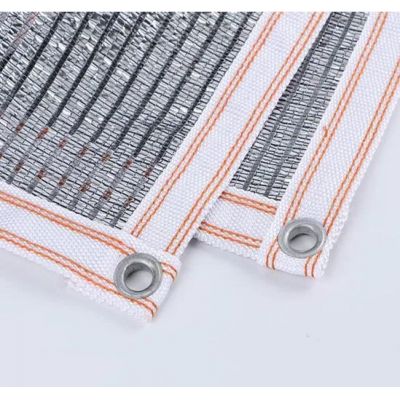
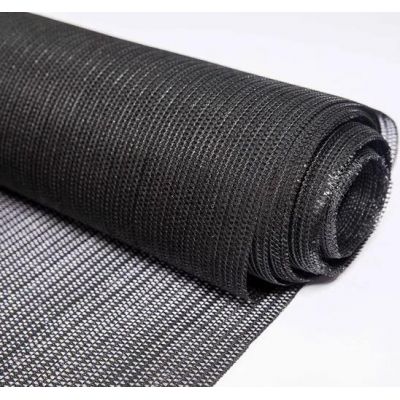
The pots are used on propagation benches where trays of seedlings are moved and watered daily, in nursery rows where stock is grown on before it goes out, and for direct sowing of salad and herbs where the pot is planted with the seedling rather than emptied. The fabric holds the root ball together when the plant is lifted, which is the other half of why transplant losses drop: the medium does not fall away from the roots on the way to the bed. Growers ordering for the same benches often take a planting bag from the same range, and where the young plants also need shade, the shade net range covers that separately.
| Model | GB-026 |
| Material | Non woven fabric, 300 g fabric weight |
| Base | Open bottom for air pruning of the tap root |
| Size | 1 to 400 gallon, or made to your requirement |
| Colour | Black, green, or to your requirement |
| Empty storage | Collapses flat, about 80% less space than rigid pots |
| Packing | Bag, pallet or carton; 1000 units per roll on request |
| Sample | Free sample available |
An open bottom is a deliberate choice rather than a saving on material. When the tap root reaches the air at the base it stops, and the plant responds by branching roots out sideways and upwards into the medium instead of continuing one root round the pot. That branching is what survives the move into the field, because there is no circle to unwind. It also means the pot must sit on a surface where the base can breathe, which on a bench is usually a slatted or mesh top rather than a solid tray. The 300 g fabric is heavier than the 200 g grade many bags are made from, which holds the shape better when the pot is full and lifted. Where a round rigid container is wanted instead, a grow bag with air pruning seams is also available.
Sizes run from 1 to 400 gallon, with anything outside that made to order; propagation work sits at the small end and the same pot is used larger for growing on. Colour and logo are specified with the order, and a free sample is available so the fabric weight can be compared against a lighter grade before a bulk run. The pots collapse flat when empty and can be supplied 1,000 to a roll, which is what takes the storage and freight down compared with rigid trays. Tell us the crop, the pot size and how the plants are moved, and we will confirm the specification. Buyers tracking what is going into propagation and nursery production can follow trade coverage such as HortiDaily and FreshPlaza for what growers are installing.
Why does the pot have an open bottom?
So the tap root is stopped by air rather than deflected by a wall, which is what causes the plant to branch roots sideways. That branching is what transplants without a setback. Tell us the crop and we will advise on size.
Can the pot sit on a solid tray?
It can, but the base needs to breathe for the air pruning to work, so a slatted or mesh bench is the better arrangement. Tell us how the bench is built.
How does the fabric weight affect the pot?
The 300 g fabric holds its shape better than the 200 g grade when the pot is filled and moved, which matters if the pots are lifted often. A free sample is available to compare the two in the hand.
Tell us the crop, the pot size and how the plants are moved and watered, and we will confirm the specification, the sample and the packing that suit your order.
Mark Wu, Co-founder & Technical Director, Sichuan Zhifang Net Industry. 15 years manufacturing agricultural nettings for growers in 32 countries.