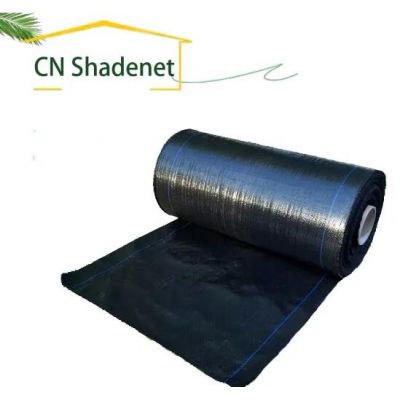


A weed barrier is bought to stop weeds, and that is the smallest of the things it does. Laid on the ground it holds the light off the soil, so nothing germinates underneath, and at the same time it keeps the root zone steadier than bare ground does: moisture is not lost to evaporation between irrigations, the surface does not bake in the sun or cap over after rain, and the layer of soil directly under the fabric stays open and workable. That is why the same cloth is laid along tree rows, between container beds and on greenhouse floors. It is woven polypropylene with UV treatment and it is lifted and laid again.
A weed barrier is usually sold on the weeds, and the weeds are the least interesting part of what it does. Laid on orchard or nursery ground it changes the soil under it, and that change is still there after the weed problem has been forgotten.
The first effect is light: the fabric holds it off the soil, so seed does not germinate underneath and the weeds that come through are the ones already in the ground rather than a new generation. The second is water. Bare ground loses moisture to evaporation between irrigations, and a cover slows that loss, so the root zone stays steadier through a dry spell instead of swinging from wet to dry and back. The third is structure. Ground that is exposed bakes in the sun and caps over after heavy rain, and the layer of soil under the fabric stays open and workable because it is not being rained on directly or walked into mud. None of that replaces irrigation or fertiliser, but it makes their results more even.
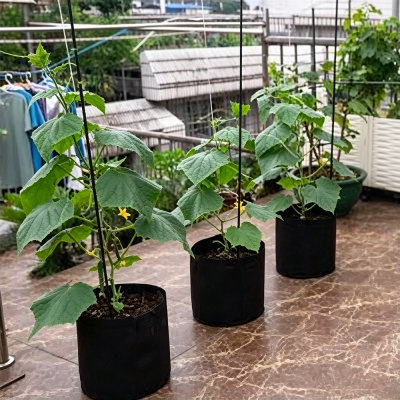
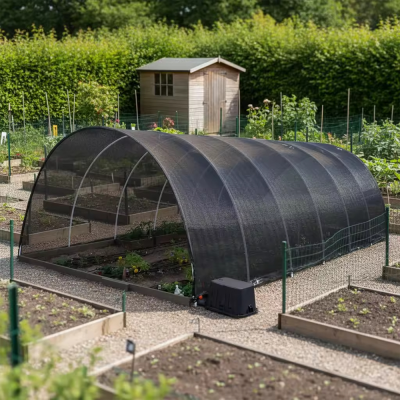
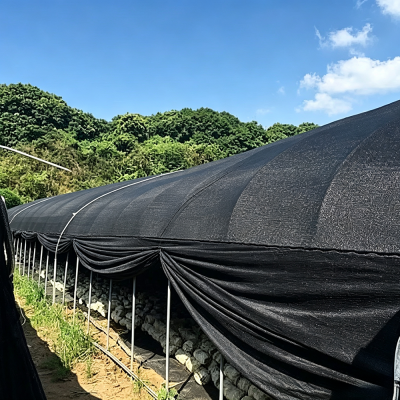
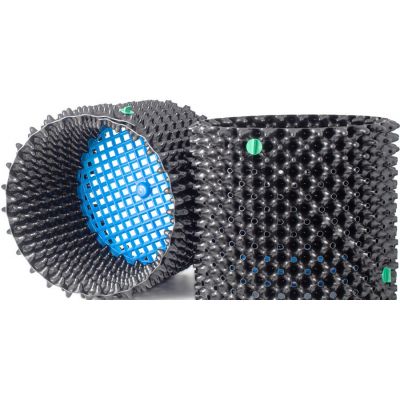
The cloth is laid along tree rows in an orchard, in the aisles between container beds in a nursery, around pot groups and over greenhouse floors where weeds come up between the benches. In each case the width is chosen so the cloth covers the strip being managed in one drop, and the plants sit in slits cut through it. Because the fabric lets water through, it can also be laid under overhead irrigation without the water sheeting off. Growers raising stock on the same ground often order a planting bag alongside, and the shade net range covers the covers that go over the crop rather than on the ground.
| Model | WM-002 |
| Material | 100% woven polypropylene tape yarn |
| Weave | 7 x 7 to 14 x 14 mesh, 700D to 2000D |
| Weight | 60 to 230 gsm |
| Width | Up to 6 m, with 3 ft to 15 ft supplied as standard |
| Length | 50 m to 8000 m, cut to order |
| UV treatment | 0.1% to 0.6% |
| MOQ | 10 tons |
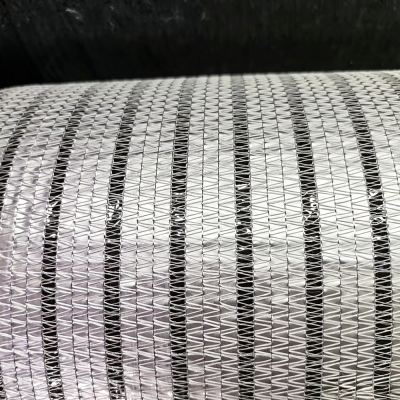
Width is the first decision, because it decides how many drops a row needs and therefore how many overlaps there are to get wrong. The cloth runs up to 6 m, and the standard widths of 3 ft, 4 ft, 6 ft, 12 ft and 15 ft cover most orchard rows, aisles and container beds in one piece. Where two drops meet, the joint is the weak point: weed comes up in the gap, and a wide overlap is what prevents it. That is what the guide line down the fabric is for. It is woven in so the next drop can be laid to a fixed line rather than by eye, which keeps the overlap even along the whole row and saves both fabric and staples. The joint is then covered with seam tape and the edges pinned with ground staples. Where the job is covering the crop above ground rather than the soil, a knitted monofilament net is the better fit.
Width, weight, length, colour and UV level are all made to order, and the standard minimum order quantity is 10 tons against a daily capacity of 100 tons. Length is cut to your requirement and the rolls are folded for compact pallet loading to keep the shipping volume down. Bulk orders are supplied with ground staples and seam tape to suit the widths ordered. Tell us the row spacing, the ground and the traffic it has to carry and we will confirm the weave and the weight. Buyers tracking what is going onto orchard and nursery ground can follow trade coverage such as HortiDaily and FreshPlaza for what growers are laying.
How long does the fabric hold up outdoors?
The UV treatment runs from 0.1% to 0.6% depending on the grade, which is what holds the fabric against cracking and fraying for more than five years outside. Tell us the exposure and the intended life and we will advise on the level.
What is the green line down the fabric for?
It is a woven guide line, and it is there so the next drop can be laid to a fixed mark instead of by eye. It keeps the overlap even along a long row and stops fabric and staples being wasted on joints that are wider than they need to be.
Does water reach the roots through it?
Yes. The weave is permeable, so irrigation and rain pass through instead of sheeting off, which is why the fabric is used under overhead irrigation and along nursery aisles. Tell us the crop and the irrigation method and we will confirm the weight.
Tell us the row spacing, the width and weight you have in mind, and the total area, and we will confirm the roll sizes, the cut lengths and the packing that suit your order.
Mark Wu, Co-founder & Technical Director, Sichuan Zhifang Net Industry. 15 years manufacturing agricultural nettings for growers in 32 countries.