
By Mark Wu, Co-founder & Technical Director, Sichuan Zhifang Net Industry Co., Ltd.
The question I get about colour is almost always the same one: which colour is best?
It is the wrong question, and the fact that it is asked so often tells you how the market sells nets. Colour is not a quality grade. It is a filter choice, and it changes two things at the same time: how much light arrives, and what kind of light it is. Those two effects sometimes pull in opposite directions.
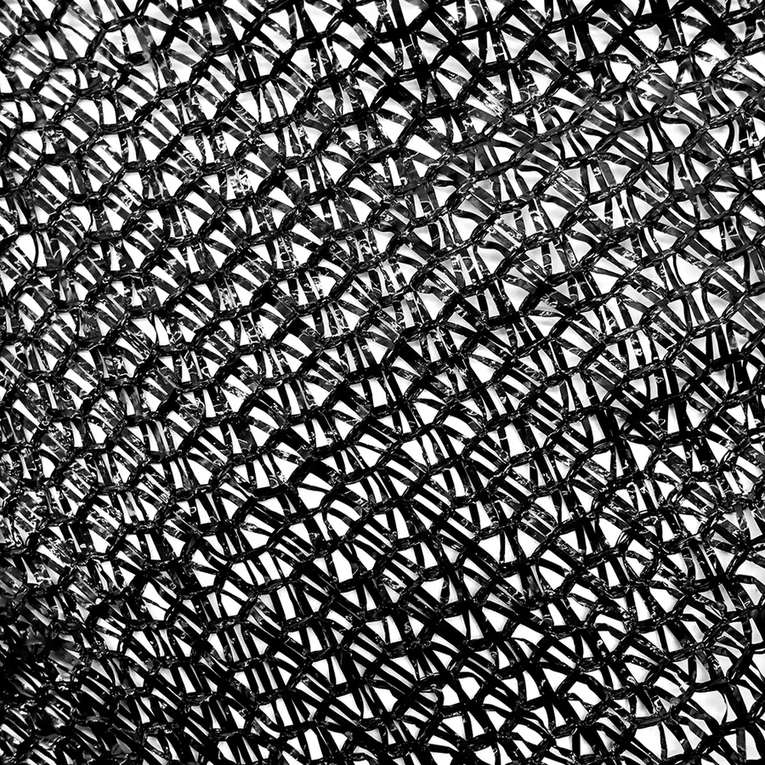
A shade net does three things to incoming radiation. It blocks some of it, it lets some through the gaps, and it scatters a portion as the light hits the threads and the dyed material.
The shade percentage on the label describes the first part. The colour describes the third, and also which wavelengths get absorbed rather than transmitted. A green net and a black net at the same percentage block the same total amount of light, but they do not hand the crop the same spectrum.
That is the whole basis of the colour argument, and it is a real effect. What is less real is the precision people attach to it.
Green is the default for a reason. It absorbs a share of the red and blue that plants use, transmits the middle, and looks like shade. It is the safe middle of the range: no crop is harmed by it, few are optimised by it.
Black absorbs across the spectrum fairly evenly. That makes it a strong shader, and it also makes the fabric itself run hotter, because the energy it absorbs has to go somewhere. Black net is the practical answer when you want maximum light reduction per unit of cost, and the wrong answer when the fabric is going to sit against a crop canopy in still air.
White reflects rather than absorbs. The fabric stays cooler, and the light that reaches the crop is more diffuse. For heat-sensitive crops and for ornamentals where flower colour matters, that is a real advantage. The trade-off is that a white net can look brighter than it is, and diffuse light is not the same as useful light at the leaf.
Red shifts the red to far-red ratio upward. In several ornamental and vegetable trials that shows up as more leaf area and more biomass, and also as longer internodes. Both of those are the same effect seen from two directions. If you are growing a crop where stretch is bad, a red net can hand you a leggy plant along with the extra leaf.
Blue does the opposite. It favours compact growth and thicker leaves, and there is published work on tea showing higher polyphenol content under blue netting. In a nursery, blue is the more useful of the two chromatic options, because a compact transplant survives handling better than a stretched one.
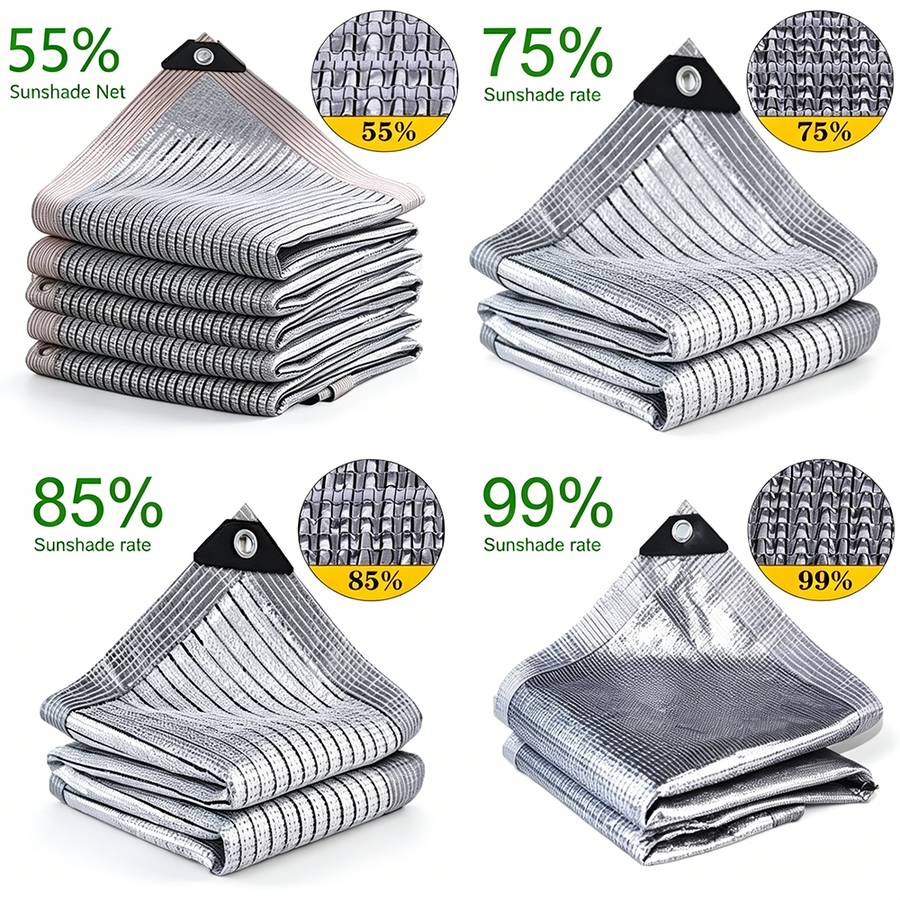
Silver and aluminium foil sit apart from the rest. They are not really about spectrum, they are about reflection, and they belong in the conversation about heat rather than the conversation about colour.
Most of what is written about colour comes from small trials, on specific cultivars, under specific light levels, often paired with a shade percentage that is not stated.
Change the cultivar, the latitude, or the percentage, and the result can move or disappear. I have seen a red net promoted as a yield booster on the strength of one bell pepper trial. That is not a basis for buying a hectare of netting.
So treat colour as the last ten per cent of the decision, not the first. Percentage and GSM decide whether the crop has enough light and whether the net survives the season. Colour decides what kind of light it is, at the margin.
If you want to know whether a colour helps your crop, run a bay, not a farm.
Put two colours at the same percentage over two blocks of the same cultivar, same planting date, same irrigation. Then measure three things that actually matter to you: leaf area or canopy density, internode length, and days to flowering. Photograph the same plants weekly, because memory is a poor instrument.
One season of that will tell you more than any brochure, and it costs you one bay.
For leafy crops and nursery stock, the priority is light quantity, and colour is a minor factor. Green or white at the right percentage will do the job.
For fruiting vegetables, the priority is heat, not spectrum. White or silver reflects, black and green absorb, and the difference in canopy temperature matters more than the difference in red to far-red.
For ornamentals and floriculture, colour becomes worth experimenting with, because the market pays for stem length and flower quality, and those are exactly the traits that chromatic nets shift.
For tea and herbs, where secondary metabolites carry the price, blue is the one worth a trial.
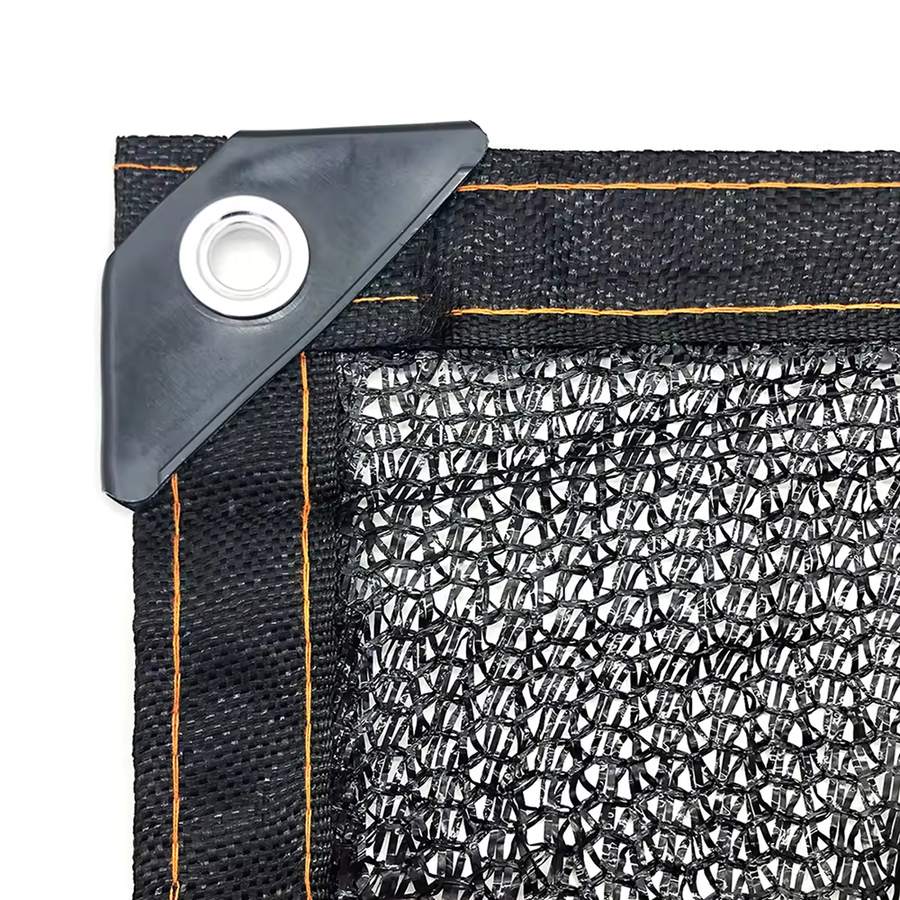
Our netting is warp-knitted from 100% virgin HDPE with a guaranteed UV stabilisation of 500 kly, in green, black, white and aluminised versions, from 30% to 95% shade. The colour is master-batched into the polymer rather than dyed onto the surface, which is why it does not wash out or fade to a different shade by the second season.
What we do not claim is a specific yield increase per colour. We will tell you what a colour does optically, and we will sell you a sample to test. The number on your crop has to come from your field.
Sichuan Zhifang Net Industry Co., Ltd. has been making shade netting and root control containers since 2011, from a plant of nearly 10,000 m² with more than 50 production lines, supplying growers in 32 countries. Every roll carries a ZF security label inside the pack, which is how customers who reordered years later could still tell our net from a copy. Our netting carries a guaranteed UV dose of 500 kly, and the shade percentage is quoted per roll rather than per container.
The fabric itself gets hotter, because it absorbs more. Whether the canopy gets hotter depends on airflow and height above the crop. Under a low, still roof, black is a worse choice than white.
Only if you are chasing a specific trait and you have tested it. For general shading, buy on percentage, GSM and UV dose first, and pick the colour last.
You can, and growers with several crops often do. Just keep the percentage the same across the block, or you will not know which variable did what. If you want to compare the reflective options against standard black, the aluminium foil shade net and thermal retention screen pages list the grades, and the full shade net range shows the colours available per shade percentage.


