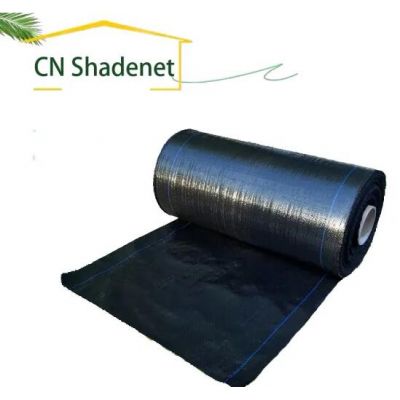
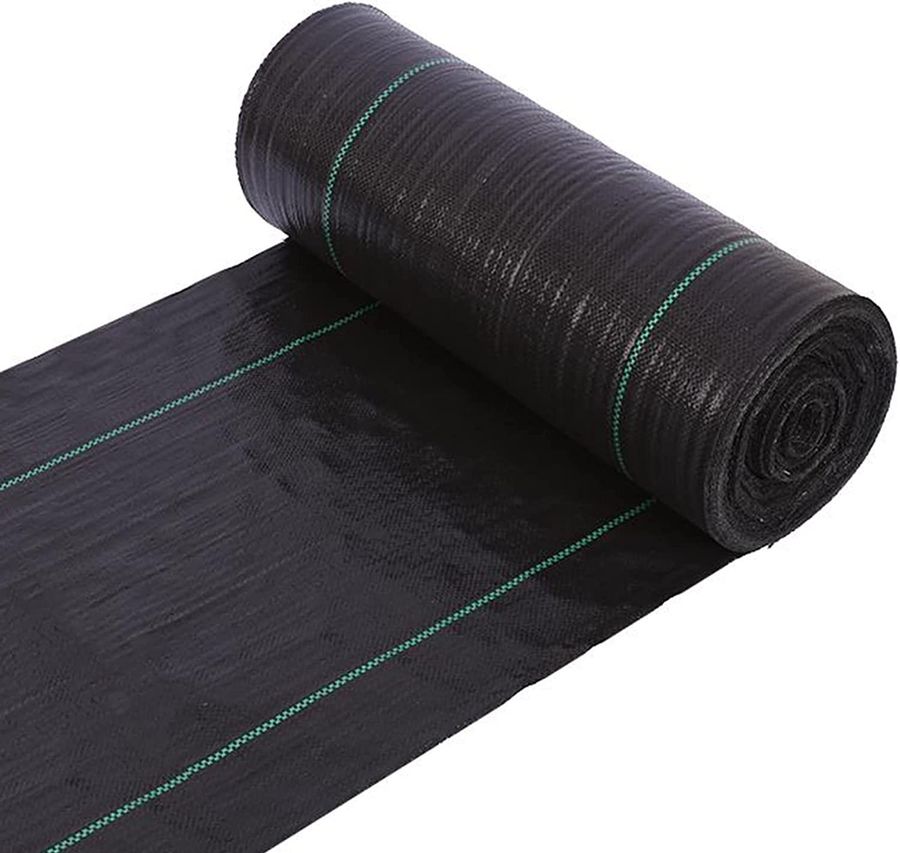
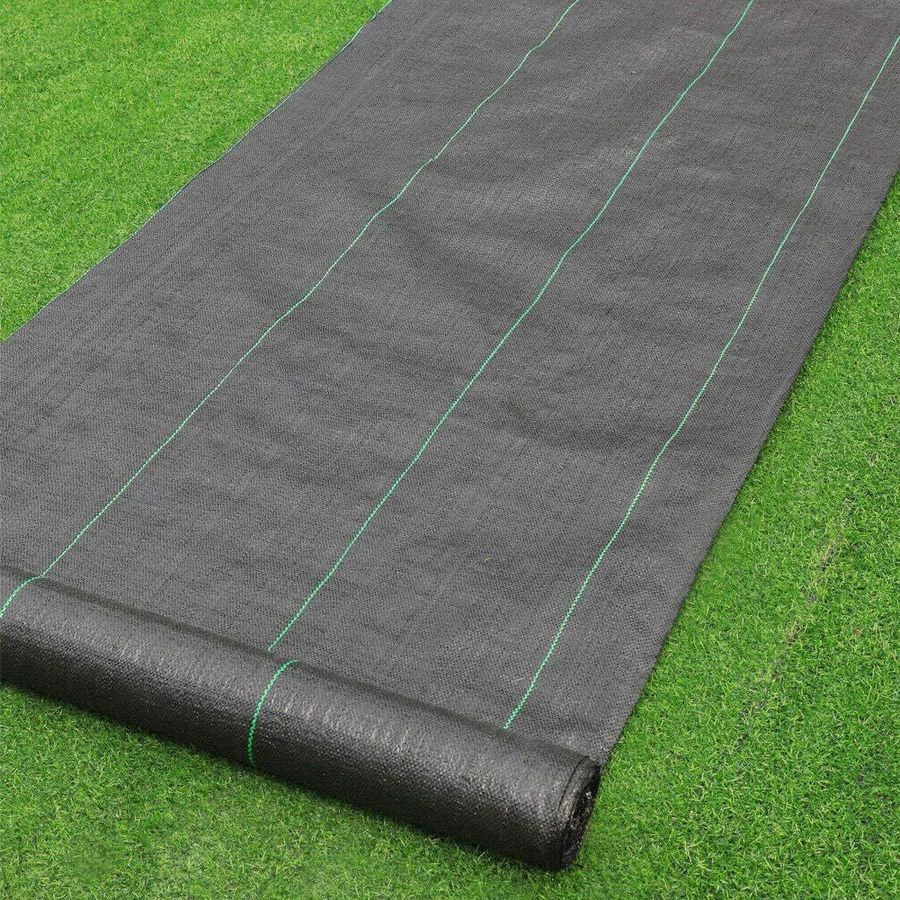
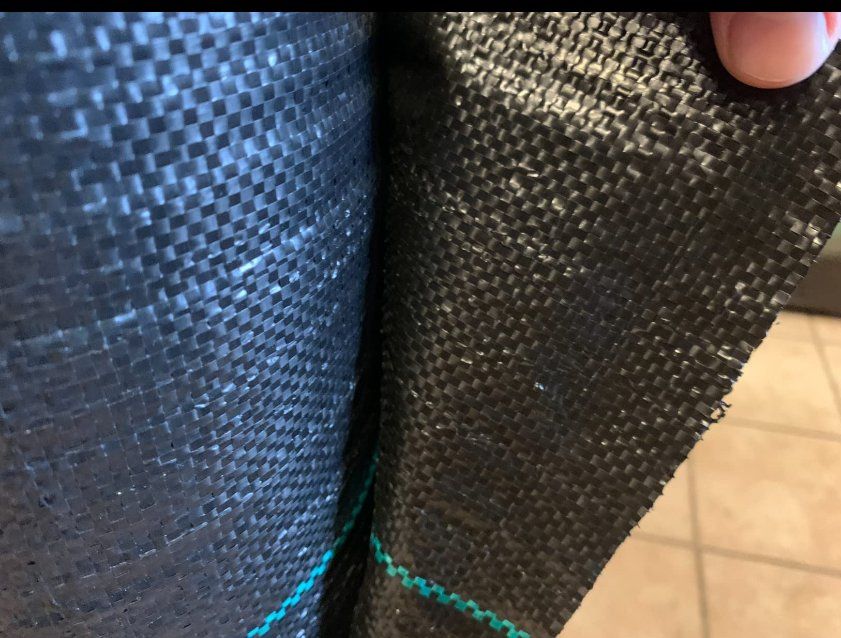
Most ground cover is specified by weight alone, and that leaves out the two surface treatments that decide how the cloth behaves underfoot. An anti slip finish matters where the cover goes on a slope, a ramp or a wet walkway, because a smooth woven face gets slick in the rain. An anti static finish is asked for where the cloth goes near equipment or where a discharge is a concern. Both are built into the fabric rather than added afterwards, so they have to be on the order. The base cloth is virgin PP flat yarn with UV treatment and it does not shrink in service, so the width stays what it was cut to.
Ground cover is bought by weight and width, and those two numbers say nothing about how the surface behaves. Two finishes change that, and both are decided at the factory rather than on site: one stops the cloth going slick under a boot, the other stops it holding a charge.
A woven polypropylene face is smooth, and on a slope or a wet walkway that is a problem: the cover is doing its job holding the weeds down, but anyone crossing it is walking on a slick sheet. An anti slip finish gives the surface enough grip to be walked on safely, which matters on orchard rows that run across a fall of ground, on ramps, and on any aisle that stays damp. The anti static finish is specified for a different reason, where the cloth is being laid near machinery or in a space where a discharge is a concern. Neither is something that can be added after the roll has been made, so both belong on the enquiry rather than on the site instructions.
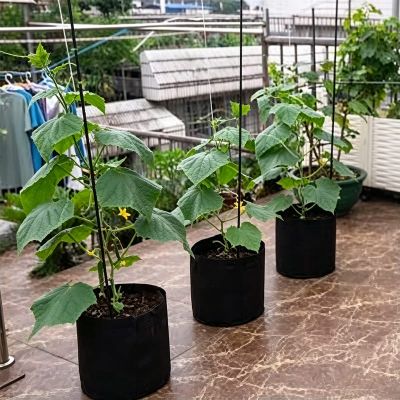
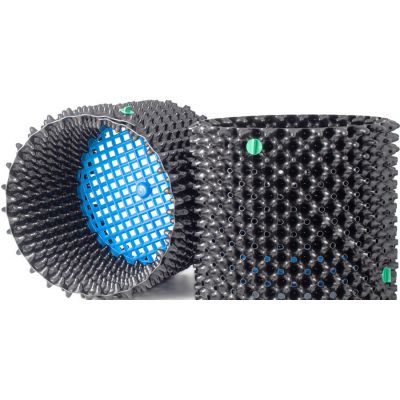
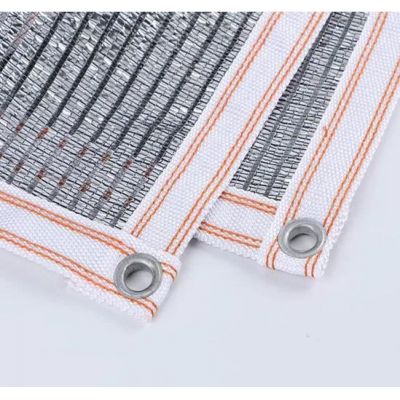
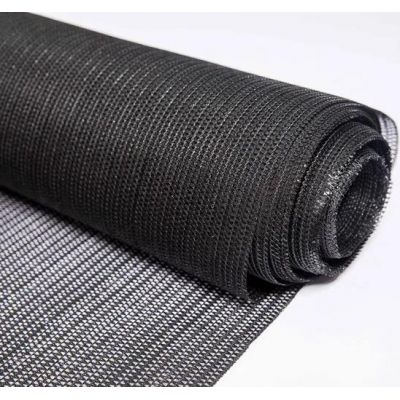
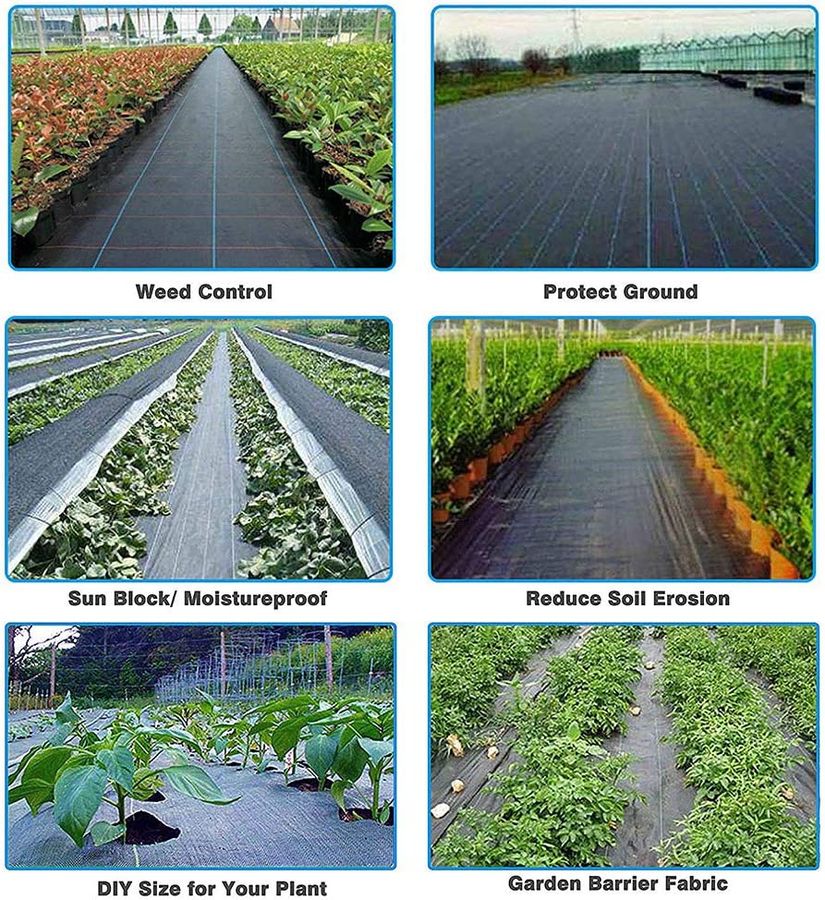
The cloth covers orchard rows and vineyard aisles, nursery ground, greenhouse floors, driveways and landscape beds. Where it is laid along a slope the anti slip face is the version to specify, and where the ground is being walked by staff all day it also makes the surface usable rather than something to be avoided. Because the yarn is virgin PP with UV treatment, the fabric holds its strength in both dry and wet soil and resists corrosion across a wide pH range, which is what allows the same roll to be used on ground that is being limed as well as on ground that is not. Growers raising stock on the same ground often order a planting bag alongside it, and the shade net range covers the covers that go over the crop rather than on the ground.
| Model | WB001 |
| Material | 100% virgin PP flat yarn |
| Weight | 60 to 230 gsm |
| Mesh | 7 x 7 to 14 x 14 |
| Width | Up to 6 m |
| Length | 50 m to 8000 m |
| UV treatment | 0.1% to 0.6% |
| Surface options | Anti slip or anti static made to order |
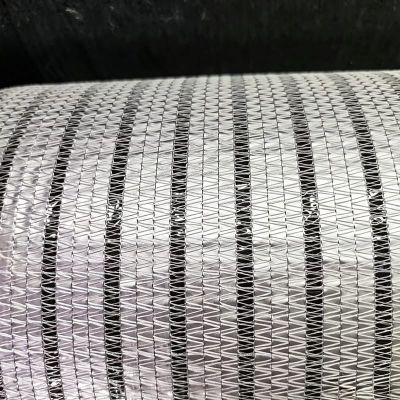
The weight range runs from 60 to 230 gsm and the mesh from 7 x 7 to 14 x 14, so a light garden path and a heavy orchard row come off the same construction at different figures. What sits behind all of them is the yarn: virgin PP rather than reprocessed material, which is what keeps the strength predictable from roll to roll and in wet soil as well as dry. The fabric is also made not to shrink in service, which matters more than it sounds, because a cover that narrows after it has been laid leaves a strip of bare ground down every joint. Where the requirement is covering plants above ground rather than the soil below, a knitted monofilament net is the better fit.
Weight, mesh, width, length and surface treatment are all made to order, and rolls run from 50 m to 8000 m in widths up to 6 m. Tell us the ground and how it is used rather than only the area: whether it slopes, whether it is walked or driven, and whether anything nearby makes an anti static finish necessary. From that we can confirm the mesh, the weight and the surface. Buyers tracking what is going onto orchard and nursery ground can follow trade coverage such as HortiDaily and FreshPlaza for what growers are laying.
Do I need the anti slip finish?
If the cover goes on a slope, a ramp or a walkway that stays damp, yes. A plain woven face is smooth and gets slick underfoot. Tell us the ground and we will confirm whether it is needed.
When is an anti static finish specified?
Where the cloth is being laid near machinery or in a space where a discharge is a concern. Like the anti slip finish, it is built into the fabric and has to be on the order.
Does the fabric shrink after it is laid?
It is made not to shrink in service, which is what keeps the laid width and the overlaps where they were set. Tell us the layout and we will confirm the drop widths.
Tell us the ground, whether it slopes, how it is walked or driven, and the total area, and we will confirm the mesh, the weight, the surface finish and the packing that suit your order.
Mark Wu, Co-founder & Technical Director, Sichuan Zhifang Net Industry. 15 years manufacturing agricultural nettings for growers in 32 countries.