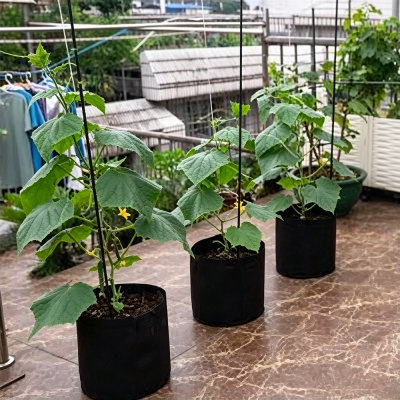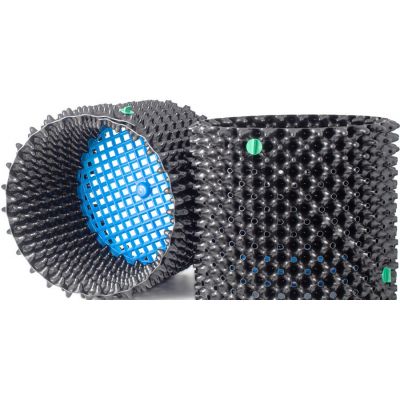


A number is more useful than a claim, and 180 days is the number here: in soil or in a compost heap the bag breaks down inside that period, which is roughly the length of a growing season plus the weeks after it. That matters where disposal is audited rather than left to the bin. An organic holding has to account for what goes into its ground and what comes out of it; a council or a landscaping contract often has a specification that rules out plastic containers outright. The bag is made from starch based polymers with no synthetic binders, so what it becomes after use is part of the same material cycle rather than a residue.
Biodegradable gets printed on a great deal of packaging that then behaves exactly like plastic for a decade, so the useful question is not whether a bag breaks down but how long it takes and who certifies it. On a grow bag the answer decides whether it can be used at all on certain contracts.
Six months is the working window quoted here. That is long enough for the bag to hold together through a growing season, and short enough that once the crop is out the bag can go into the ground or the compost heap and be gone before the next planting. The reason it matters commercially is audit: an organic operation or a council contract usually has a written rule about what may be brought on site, and a bag that breaks down inside a stated period and carries a compostability certification satisfies that rule, whereas a promise to decompose does not. It also removes a job. There is nothing to lift out, stack, clean or dispose of separately, because the bag goes with the plant.
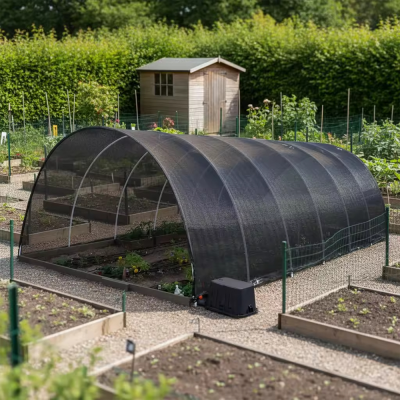
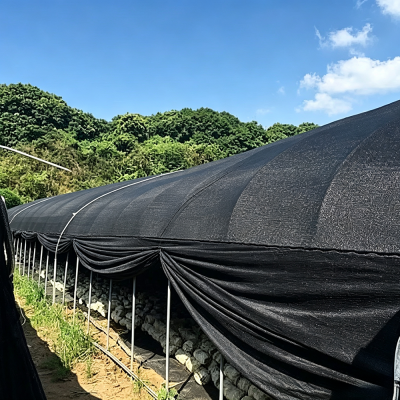
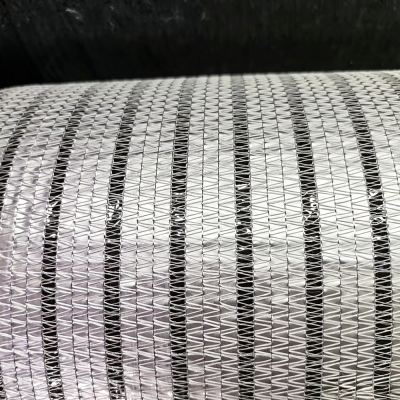
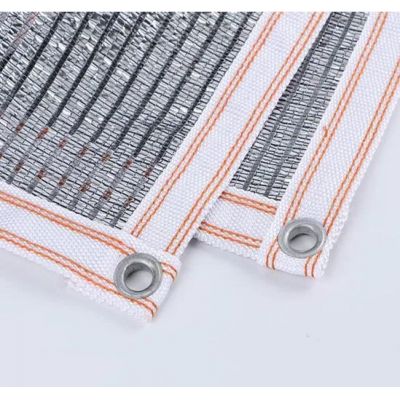
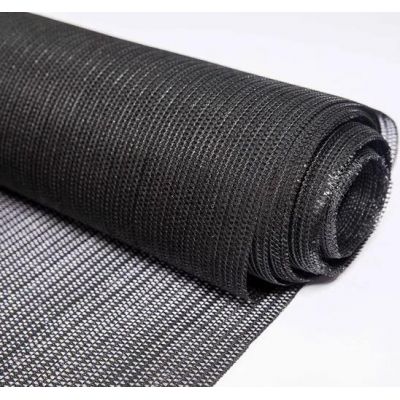
The bags are used on organic holdings where inputs and waste are both recorded, in nurseries growing stock for the organic trade, and in municipal or community composting schemes where the incoming material has to be free of plastic. The bag is made without synthetic binders, so what it becomes after use is humus rather than fragments, and the coir option adds natural water holding capacity and air porosity that suits tomatoes and peppers. Growers ordering for the same ground often add a planting bag range for the stages where a durable fabric is wanted, and where young plants also need shade, the shade net range covers that separately.
| Model | GB-034 |
| Material | Starch based polymer, coir fibre option |
| Breakdown | Within 180 days in soil or compost |
| Certification | Meets compostability standards, no synthetic binders |
| Size | 1 to 400 gallon, or made to your requirement |
| Colour | Black, or to your requirement |
| Packing | Bag, pallet or carton; folds flat |
| Sample | Free sample available |
The base material is a starch based polymer rather than a recycled plastic, and it is bonded without synthetic binders, which is what allows the whole bag to be compostable rather than only part of it. The coir option is a different construction: renewable coconut fibre held in a biodegradable outer shell, which behaves closer to a traditional coir pot while still going into the ground whole. Coir holds water well and keeps air moving through the medium, which is the combination that suits tomatoes and peppers in a container. Whichever is chosen, the bag is made to fold flat for shipping, so a bulk order takes about a fifth of the volume it would as rigid pots. Where a reusable fabric container is wanted instead, a grow bag with air pruning seams is also available.
Sizes run from 1 to 400 gallon, with anything outside that made to order, and both the starch polymer and the coir construction are available across the range. Colour and OEM labelling are set with the order, and a free sample is available so the material can be checked before a bulk run. The bags fold flat and cut shipping volume by around 80 per cent against rigid containers. Tell us the crop, the size, how the bag will be disposed of and the quantity, and we will confirm the specification. Buyers tracking what is going into organic and municipal growing programmes can follow trade coverage such as HortiDaily and FreshPlaza for what growers are installing.
How long does the bag take to break down?
Within 180 days in soil or in compost, which covers a growing season and the weeks after it. Tell us how the bag will be disposed of and we will confirm the grade.
Does it carry a compostability certification?
It meets compostability standards and is made without synthetic binders, which is what organic and municipal contracts usually ask for. Tell us the standard you have to meet.
What is the coir option for?
It combines renewable coconut fibre with a biodegradable shell, which suits crops that want a medium holding both water and air, such as tomatoes and peppers. Tell us the crop and we will advise.
Tell us the crop, the size, how the bag will be disposed of and the quantity, and we will confirm the specification, the sample and the packing that suit your order.
Mark Wu, Co-founder & Technical Director, Sichuan Zhifang Net Industry. 15 years manufacturing agricultural nettings for growers in 32 countries.