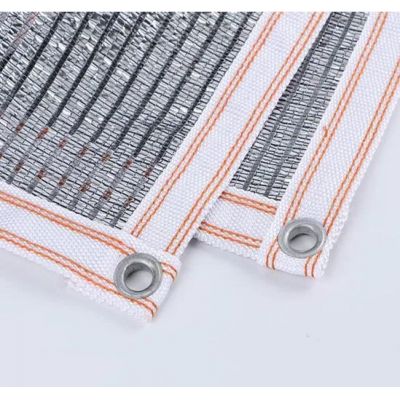


This reflective shade system is ordered when the swing between a hot afternoon and a cold night is doing the damage. The foil face turns the worst of the midday sun back out of the house, and the woven body slows the heat that is already inside from leaving once the sun drops. Growers running crops that stall when the temperature moves too fast get a flatter line across the day rather than a peak and a drop, and the screen runs on the same frames as any other net in the range.
Crops do not stall because a day was hot on its own; they stall when the day is hot and the night that follows is cold, so the plant spends the next morning recovering instead of growing. A reflective shade system is bought to flatten that line rather than to fix one end of it.

Under a plain cover the house heats through the middle of the day and then sheds that heat quickly once the sun is gone, which is exactly the pattern that stresses young plants, cuttings and anything being pushed for early fruit. The swing is worst where the cover is light and the night air is cool, and it repeats every day of the season.
A screen that reflects part of the incoming sun and holds part of the heat already inside changes the shape of that curve. The afternoon peak comes down and the night floor comes up, so the crop sits in a narrower band instead of being worked from both ends.
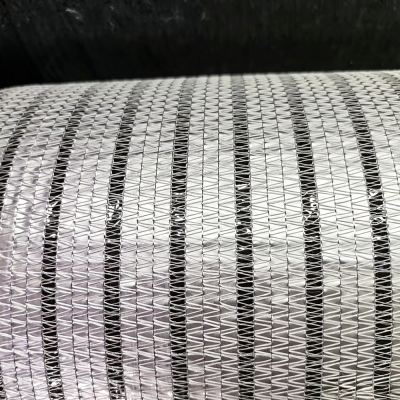
The foil strands reflect a share of the midday radiation before it reaches the crop or the floor, which is where the daytime drop comes from. The woven body then acts on what is already inside: it sits between the warm air under the screen and the colder cover above it, so heat leaves more slowly after sundown. The two effects work on opposite ends of the same day.
Because it is a screen rather than a fixed panel, it is run on the frames a grower already has and tensioned the same way as the rest of the range. Nothing on site changes apart from the cloth.
| Material | Aluminium foil strand woven with HDPE monofilament |
| Construction | Woven foil and film strip net |
| Shade Rate | 95%, other rates to order |
| Energy Saving | Around 30% on cooling load |
| Use | Outdoor and greenhouse shade cloth |
| Colour | Silver, other options to order |
| Model | AHN-002 |
| Packing | PE bag or woven bale, customised on request |
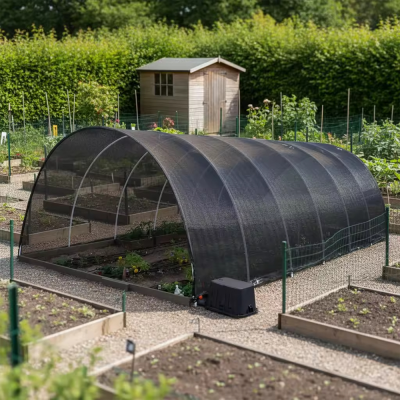
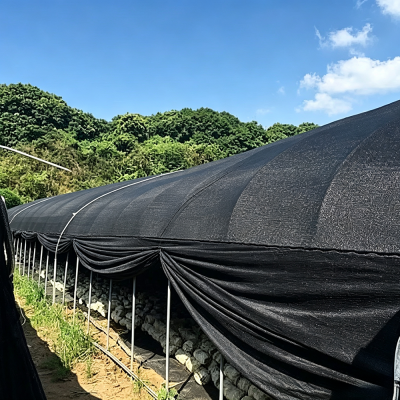
The screen is run where a crop reacts badly to a fast change, which in practice means propagation and seedling houses, benches of cuttings, and production houses pushed for early flowering or fruit. It is also used over an open shade house where there is no cover at all and the net does all of the work, and on the sides of a house where the afternoon sun lands hardest.
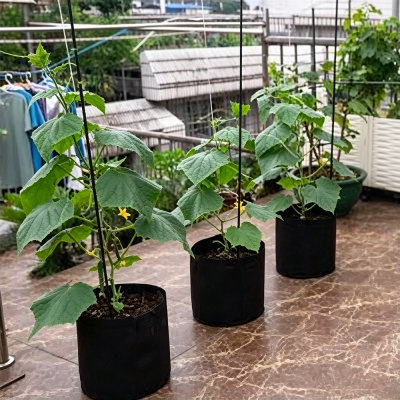
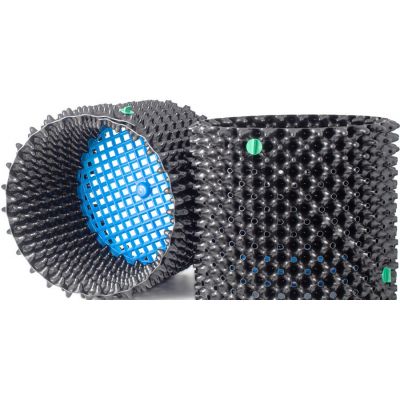
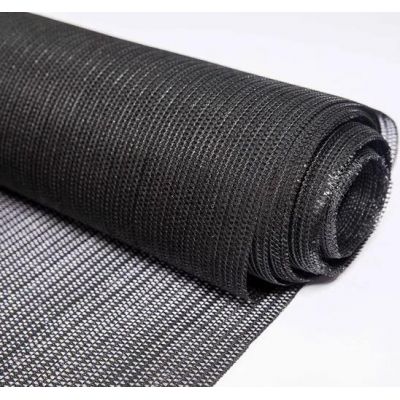
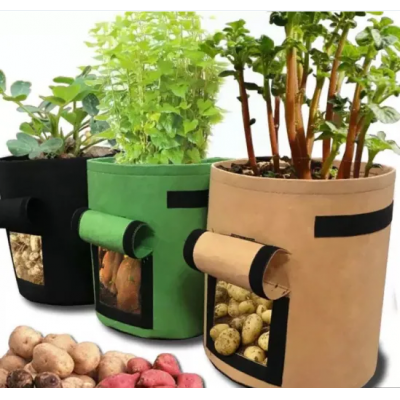
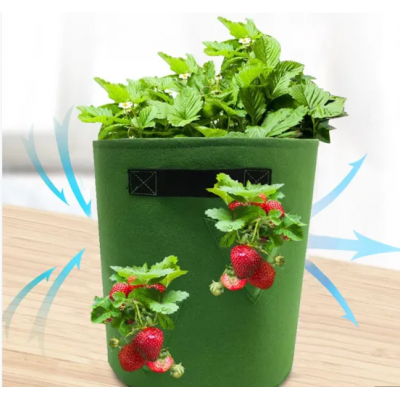
Growers setting out container work often order it alongside a planting bag, and the wider shade net range covers knitted, tape and thermal types for a different balance of light and air. A grow bag is bought at the same time for nursery work.
Widths, lengths, shade rate and edging are made to order, so the first question is the span of the house and the fixing points on the frame. Rolls ship in PE bags or woven bales, and trial lengths are available for a grower who wants to run one bay through a full day-night cycle before covering a whole house. Growers tracking how screens perform across a season can follow trade coverage such as Agriculture.com and HortWeek for what is being installed on commercial sites.
Does a reflective screen keep the house warm at night?
It slows the loss rather than adding heat. The foil body sits between the warm air under the screen and the colder cover above, so the house cools more slowly after sundown instead of dropping straight away.
Do I need a frame to run it on?
Yes. The cloth is tensioned on steel hoops, wire runs or an interior rail, the same as any other screen in the range. Tell us the span and the fixing points and we will confirm the width and edging.
Is it available in other shade rates?
Yes. The standard is 95% and other rates are made to order, with the same foil strand and the same woven construction.
Tell us the span of the house, the crop and the shade rate you are working to, and we will confirm the width and the edging that fit your frame.
Mark Wu, Co-founder & Technical Director, Sichuan Zhifang Net Industry. 15 years manufacturing agricultural nettings for growers in 32 countries.