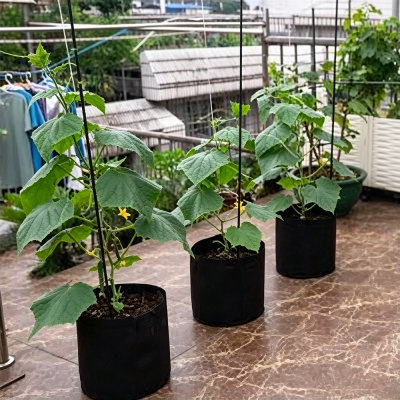


A root system in a rigid pot runs out of room, turns, and carries on turning. The result is a dense ball of circling roots wrapped round the inside wall, and when the plant goes into the ground those roots keep going in circles instead of spreading out. A felt grow bag stops that at the wall. The fabric is porous, so the root tip that reaches it dries out and stops growing, and the plant responds by pushing new roots out from further back along the root. What comes out at planting is a branched root system rather than a wound ball. The same porosity is what drains the bag.
Most containers do the same thing to a root system: the roots reach the wall, find they cannot go further, and start circling. The plant survives it, which is why the problem is easy to miss until it is planted out and does not establish. A felt grow bag removes the wall as a hard stop.
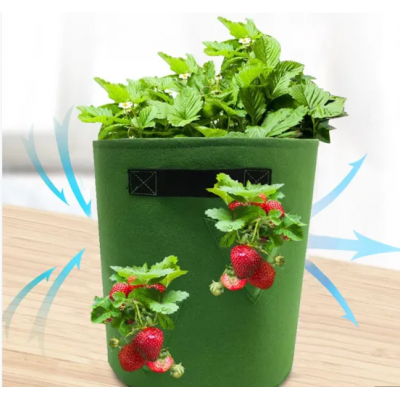
The fabric is porous, so the air at the outside of the bag reaches the root tips that come up against it. Those tips dry out and stop growing, and the plant answers by pushing new roots out from further back along the root rather than continuing the one that has been stopped. Repeat that round the whole bag and what comes out is a branched root system distributed through the medium instead of a tight ball wound against the wall. It matters most on nursery stock and on anything being grown on to plant out, because a circling root system carries on circling after planting and takes years to sort itself out. The same porosity drains the bag, so the medium does not sit wet the way it can in a sealed pot.
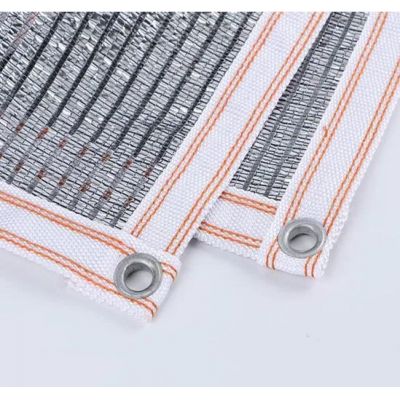
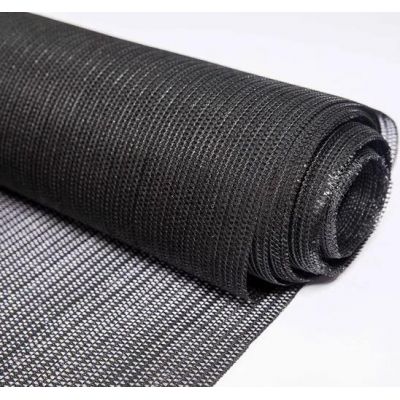
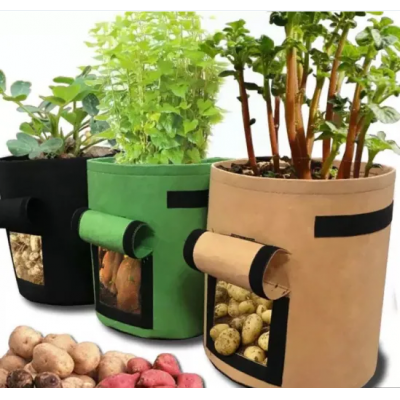
The bags are used for flowering plants and shrubs on a patio or in a display bed, in nursery rows where stock is being grown on, and on greenhouse benches where the pots are lifted and moved. Because the fabric breathes, the medium dries more evenly than in a plastic pot and the roots are less likely to sit in a saturated layer. The range covers flowers, vegetables, herbs, fruit and nursery stock, and because the bag is soft rather than rigid it can be stood on uneven ground without the base rocking. Growers working the same ground often order a planting bag range that suits their crop, and where the crop also needs shade, the shade net range covers that separately.
| Model | PB-020 |
| Material | Non woven felt fabric |
| Size | 1 to 500 gallon, or made to your requirement |
| Colour | Black, green, or to your requirement |
| Handles | Two side handles |
| Design | Foldable, X pattern stitching at the seams |
| Logo | Custom logo accepted |
| Crop | Flowers, herbs, fruit, nursery stock and greenhouse use |
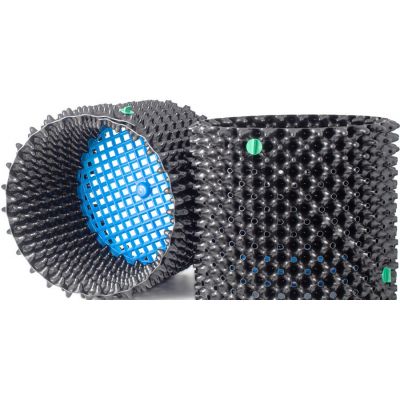
The fabric is a non woven felt rather than a woven sheet, which is what gives it the porosity the root tips need and enough body to stand up when the bag is filled. Two side handles are stitched on, which is the difference between being able to lift a planted bag and having to drag it, and they are worth checking on a quotation because they are a labour cost rather than a material one. The seams are X stitched where the handles meet the bag, which is where a bag usually fails first. The bag folds flat when it is empty, so storage and shipping volume are a fraction of what rigid pots take. Where a round rigid container is wanted instead, a grow bag with air pruning seams is also available.
Sizes run from 1 gallon up to 500 gallon, and anything outside that range is made to order. Colour, logo, handle configuration and pack quantity are all specified with the order. Exporters and distributors usually take the common mid sizes in mixed packs and hold the large ones to order, because the large bags fold flat but still take volume once they are filled. Tell us the crop, the size and the quantity and we will confirm the specification. Buyers tracking what is going into nursery and greenhouse production can follow trade coverage such as HortiDaily and FreshPlaza for what growers are installing.
Will the roots grow through the fabric?
Root tips that reach the fabric dry out and stop, which is what causes the plant to branch new roots further back. That is the point of the felt rather than a fault. Tell us the crop and we will confirm the size.
How do the bags hold up over a season?
The felt is durable and reusable, and the seams are X stitched where the handles attach, which is the usual point of failure. Tell us how long you need them to last and we will advise.
Do the bags need to sit on a hard surface?
No. The base is soft, so the bag sits on prepared ground, gravel or a bench without rocking. On a hard bench the drainage is faster, which is worth knowing for a crop that does not like wet feet.
Tell us the crop, the size and the quantity you need, and whether a logo or a specific colour is required, and we will confirm the specification and the packing that suit your order.
Mark Wu, Co-founder & Technical Director, Sichuan Zhifang Net Industry. 15 years manufacturing agricultural nettings for growers in 32 countries.