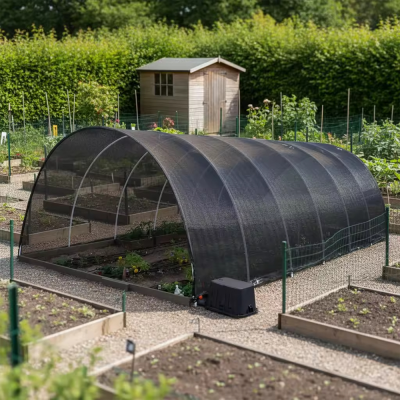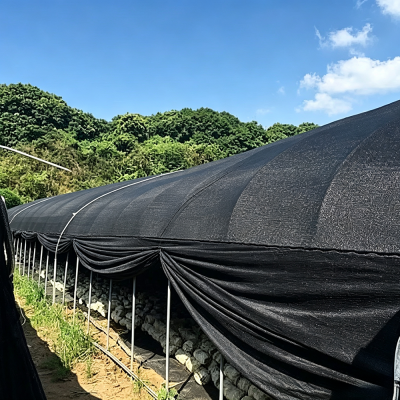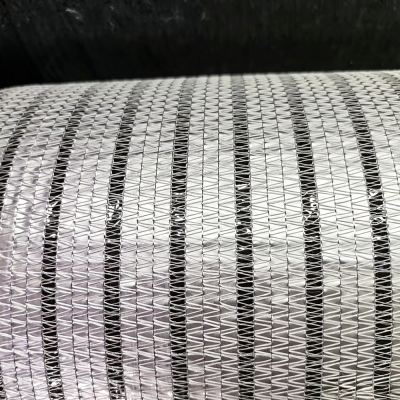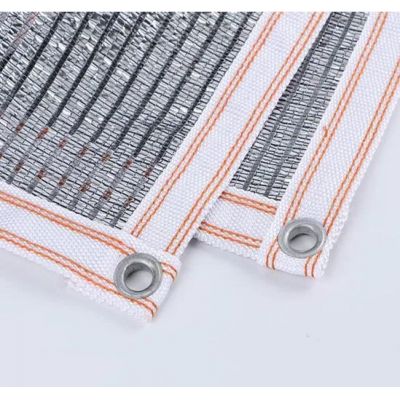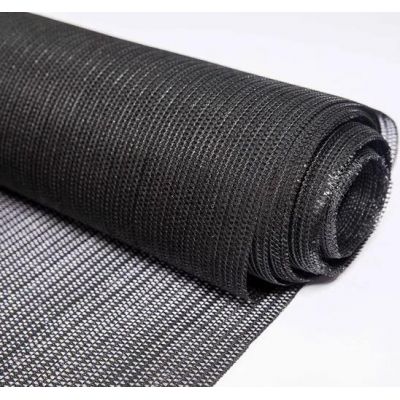


This is the shade net we supply for vegetable nurseries and mixed farming, and it is cut as a sail rather than sold only by the roll because that is how most beds are actually covered. It goes over a seed bed, a nursery frame or a row of tomatoes, and the turned hem with steel grommets means it can be tied down and strained instead of just laid over the crop. The cloth is HDPE with UV resistance in the yarn, so the shade rate holds across a season, and the mesh stays open enough that air moves under it and rain reaches the bed.
Most shade for a vegetable bed is still sold by the roll and then cut on site, and that is the step this net takes out. It is supplied as a finished sail with a turned hem and steel grommets, so a seed bed, a nursery frame or a row of tomatoes can be covered straight out of the pack and tied down rather than measured, cut and weighted.
A finished sail suits a bed better than a roll in most cases, because a bed is a fixed span that has to be covered and uncovered through the season. The hem is turned and stitched on all sides and the grommets are set in steel, so the cover can be strained on its corners, taken off for a spell of rain and put back without the weave pulling open at the fixings. The HDPE mesh is knitted with UV resistance in the yarn, so the rate does not drift toward the light end after a season in full sun.
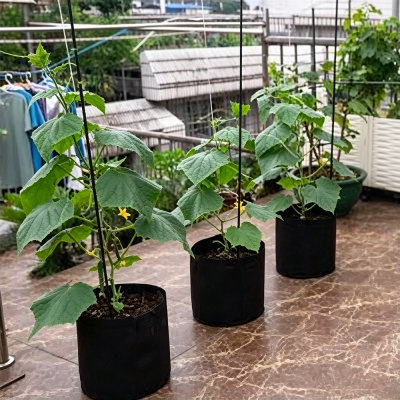
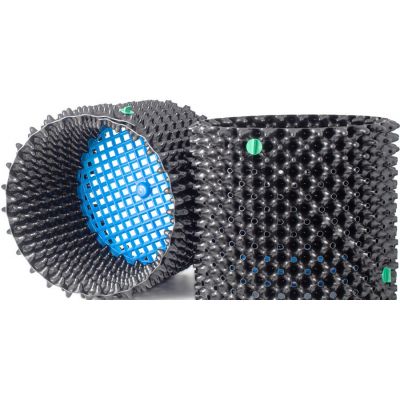
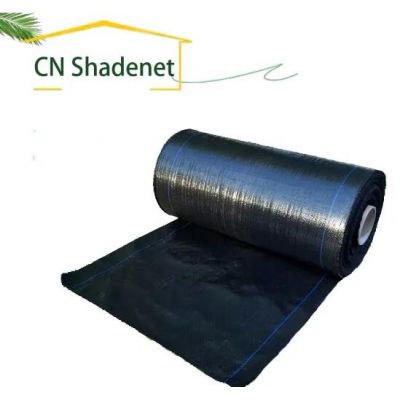
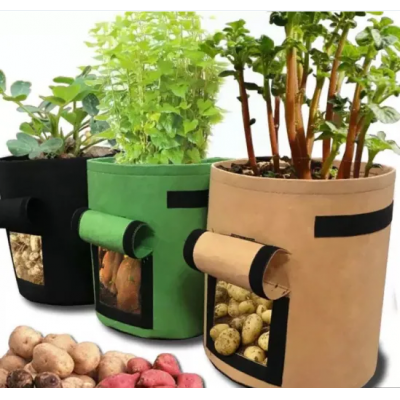
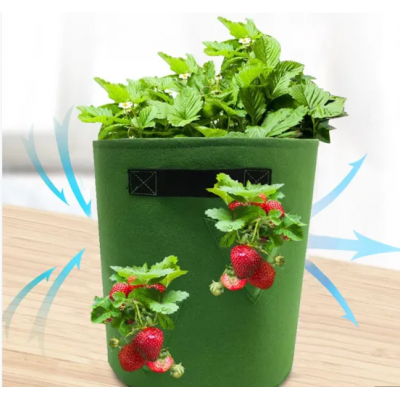
The net goes over a vegetable nursery, a propagation bed, a seedling frame or a tomato row where the light load has to come down a step without the bed going dark. Because the mesh stays open, air still moves under the cover and rain reaches the soil, which matters more on a vegetable bed than on a hard surface. Growers setting trays under the same cover often pair it with a planting bag, and the wider shade net range covers the roll goods and reflective types where the job calls for something other than a finished sail.
| Material | Knitted HDPE mesh, not coated |
| Shade Rate | Made to order |
| Function | UV resistant shading for vegetable beds and seed beds |
| Colour | Striped, made to order |
| Edges | Turned and stitched, steel grommets |
| Finish | Not coated, permeable to air and water |
| Application | Vegetable nursery, seed beds and tomato rows |
| Packing | Export package, customised on request |
The finish is what decides whether a cover survives a season on a bed, so the hem is turned and stitched and the grommets are steel rather than punched through the mesh. That lets the sail be strained on the corners without the weave pulling open, and it can be rolled, stored and put back over the same bed next season. A knitted monofilament net covers the same idea where a finer weave is wanted, while this sail covers the general nursery and vegetable job.
Size, shade rate and colour are all made to order, so the first detail to confirm is the span of the bed or the frame you are covering and the crop under it. Nets ship in export packing and are folded to suit the size. Growers tracking how shade netting performs across a season can follow trade coverage such as HortiDaily and FreshPlaza for what is being installed on commercial sites.
Is a finished sail better than a roll for a vegetable bed?
For a fixed bed, yes. The sail comes hemmed and grommeted, so it goes on and off the bed through the season without being cut and weighted each time.
Will the net hold its shade rate over a season?
The UV resistance is worked into the yarn rather than onto the surface, which is what keeps the rate from drifting toward the light end after a season in full sun.
Can I order a different size, rate or colour?
Yes. Size, shade rate and colour are all made to order, so the cover can be set to the bed. Tell us the crop and the span and we will advise.
Tell us the span, the shade rate and the colour you are working to, and we will confirm the size and the packing that suit your order.
Mark Wu, Co-founder & Technical Director, Sichuan Zhifang Net Industry. 15 years manufacturing agricultural nettings for growers in 32 countries.