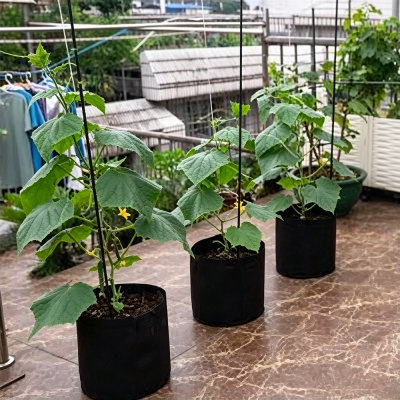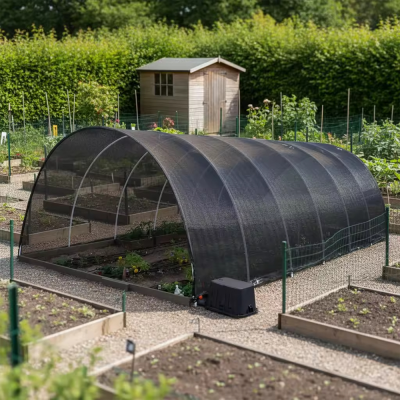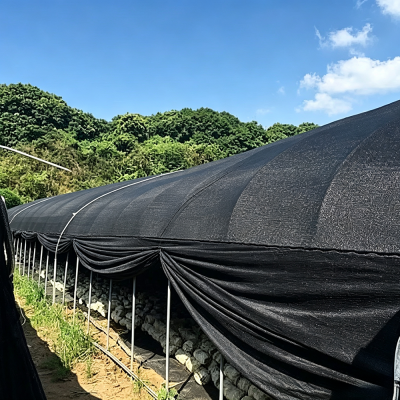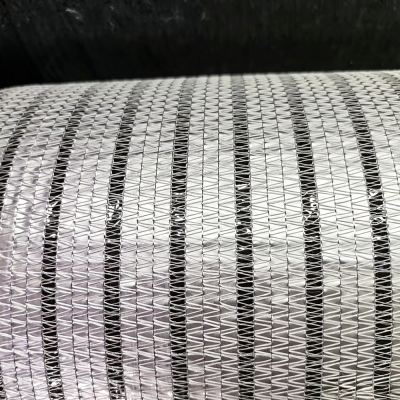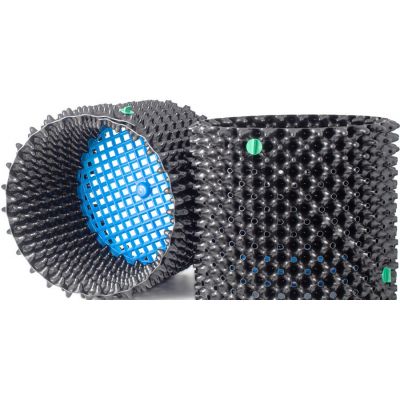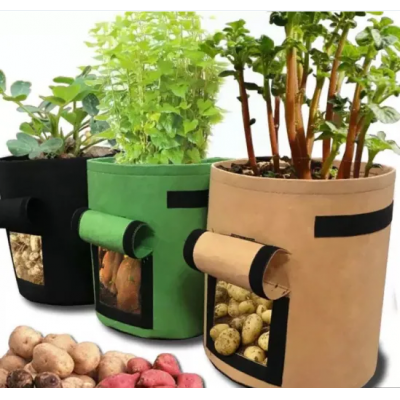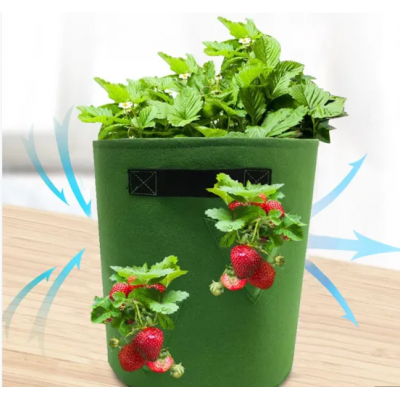


Biodegradable is a word that gets used loosely, so it is worth being specific about what happens to these bags. After the crop is out, the bag is either buried or composted, and it breaks down into humus rather than sitting in a landfill for decades as a plastic pot would. That is the point for an organic operation, where the waste stream is audited. The bag still has to do its job while it is in use, so the wall is porous enough to air prune the root tips and drain, and it holds its shape through a full season before it starts to go. The feedstock is renewable rather than recycled plastic.
Most of what is sold as a grow bag ends up in a bin at the end of the season, and a plastic pot stays in the ground for a very long time after that. A biodegradable bag is bought for the disposal as much as for the growing, which makes it a different purchase with a different justification.
The bags decompose after use. Buried or composted, they break down into humus and become part of the soil rather than staying as a plastic residue, which is what makes them usable on an organic holding where the waste stream is audited. It is worth knowing which route is being taken before ordering, because a bag intended for burial and a bag intended for a compost heap are not always the same product. What the material is not is a plastic that has been relabelled: the feedstock is renewable rather than a recycled polymer, and the bag is specified to hold together for the growing season rather than to start breaking down while the crop is still in it.
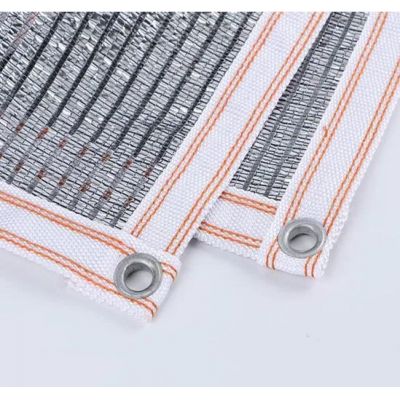
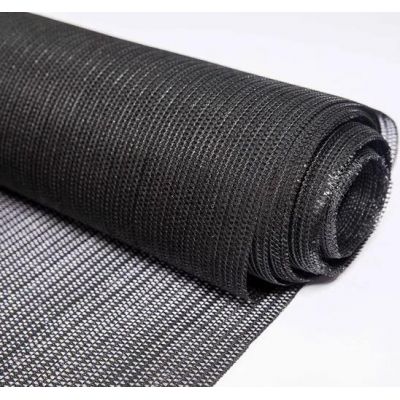
The bags are used on organic holdings where inputs and waste are both accounted for, in nurseries growing stock for the organic trade, and in home gardens where a plastic pot at the end of the season is the thing people want to avoid. The porous wall does the same job it does in any fabric bag, air pruning the root tips that reach it and draining excess water, so the plant still gets the root structure a fabric container produces. The material is breathable, which keeps the root zone from souring in a wet season. Growers ordering for the same ground often take a planting bag from the same range, and where the young plants also need shade, the shade net range covers that separately.
| Model | GB-023 |
| Material | Non woven fabric, biodegradable, renewable feedstock |
| Breakdown | Decomposes into soil humus after use |
| Size | 1 to 400 gallon, or made to your requirement |
| Colour | Black, or to your requirement |
| Handles | Two side handles, double stitched |
| Packing | Bag, pallet or carton |
| Sample | Free sample available |
The two benefits do not conflict, which is the useful part. The wall is porous, so the root tips that reach it dry out and stop, and the plant branches roots further back instead of circling; that is a growing benefit that lasts until the crop comes out. The disposal benefit starts after that, when the bag goes into the ground or the heap and becomes humus. The handles are double stitched and the seams are reinforced, which is what allows the bag to be lifted while it is still a bag rather than a compost heap. Where a reusable fabric container is wanted instead, a grow bag with air pruning seams is also available.
Sizes run from 1 to 400 gallon, with anything outside that made to order. Colour and logo are specified with the order, and a free sample is available so the material can be checked before a bulk run. The bags pack flat, which keeps freight and storage down. Tell us the crop, the size, how the bag will be disposed of and the quantity, and we will confirm the specification. Buyers tracking what is going into organic and nursery production can follow trade coverage such as HortiDaily and FreshPlaza for what growers are installing.
What happens to the bag after the season?
It decomposes into soil humus, whether it is buried or composted, rather than sitting as plastic residue. Tell us which route you intend to use and we will confirm the grade.
Will the bag start breaking down while the crop is still in it?
It is specified to hold together for the growing season, and the breakdown begins after that. Tell us the crop duration and how the bag is stored between seasons.
Does a biodegradable bag still prune roots?
Yes. The wall is porous in the same way as a standard fabric bag, so the root tips that reach it are stopped by the air and the plant branches further back. Tell us the crop and we will advise on size.
Tell us the crop, the size, how the bag will be disposed of and the quantity, and we will confirm the specification, the sample and the packing that suit your order.
Mark Wu, Co-founder & Technical Director, Sichuan Zhifang Net Industry. 15 years manufacturing agricultural nettings for growers in 32 countries.