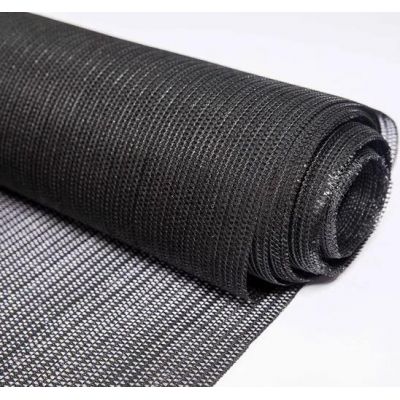


This is the balcony netting we supply for window openings, rails and deck edges, and the job it does is to close a gap rather than to stand in for glass: the mesh is tied along the rail or across the window opening so the space is screened off and the sight line through it is broken up, while air still moves. On a balcony that means the rail stops reading as an open edge, and on a window it means the opening can be shaded without a blind. The cloth is knitted HDPE with UV resistance in the yarn, cut to the opening you give us.
A balcony rail and a window opening have the same problem to solve: an open span that a screen has to close off without shutting the air out. This is the netting we supply for that, tied along the rail or across the opening so the gap is covered and the sight line through it is broken up, while the knit still lets air move.
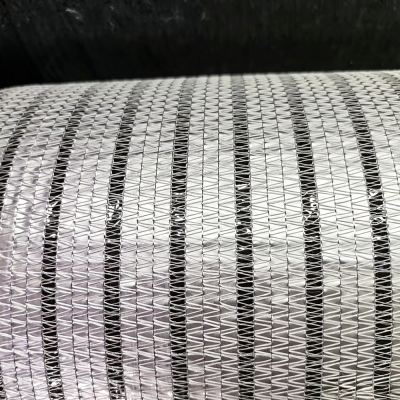
The net is a screen, not a glazing panel, and the difference matters when it is specified. What it does is close the span: tied along a balcony rail it stops the rail reading as an open edge, and fitted across a window opening it shades the room without a blind. Because the mesh is knitted rather than solid, air moves through it and the space behind stays ventilated instead of becoming a sealed box, and because the cloth is HDPE with UV resistance in the yarn, it holds its strength and colour through a season outdoors.
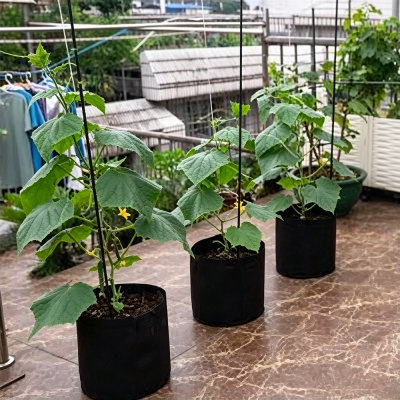
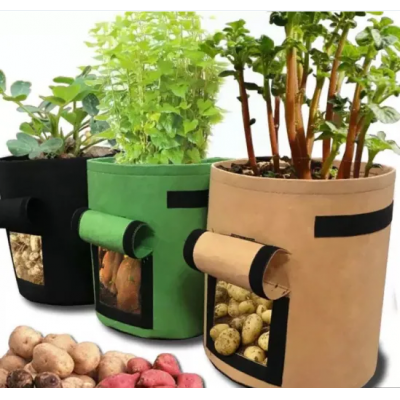
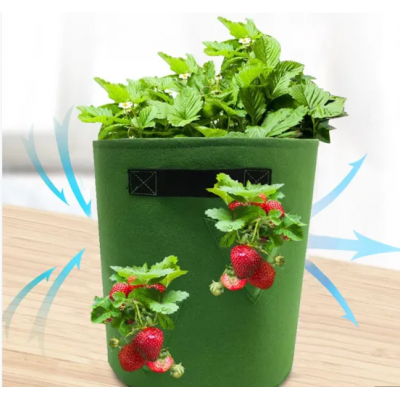
The netting goes on balcony rails, across window openings, along deck edges and over terrace boundaries, and because it is cut to the opening you give us rather than supplied in one stock size, a house with several different spans can be covered from the same order. Households screening a bed behind the same net often pair it with a planting bag, and the wider shade net range covers the reflective grades where a heat reflective cover is wanted instead.
| Material | Knitted HDPE with UV resistant yarn |
| Function | Screening balcony rails, window openings and deck edges |
| Colour | Stripes and solids, customised on request |
| Shade Rate | Made to order |
| Size | Cut per opening to the dimensions you give us |
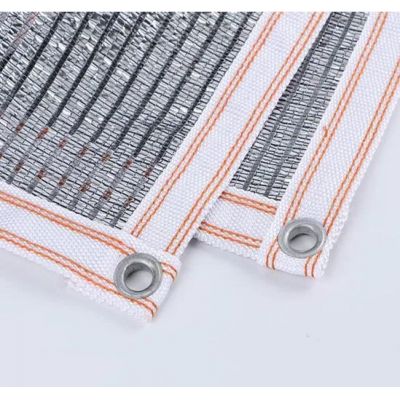
| Edges | Bound edge with metal grommets, tied rather than fixed |
| Supplied With | Zip ties and rope for fitting |
| Packing | PP woven bag, palletised for block orders |
The netting is tied through grommets in a bound edge, so an opening can be covered without drilling and the panel comes off again for cleaning or for access to the rail. Colour is made to order at the same time, which matters more on a balcony than it sounds: a cover that matches the render or the timber behind it stops drawing the eye, while a contrasting one becomes the first thing seen from the street. A knitted monofilament net covers the shading job where a finer weave is wanted, while this netting covers the rail and window screening work.
Size, shade rate, colour and edge finish are all made to order, so the first detail to confirm is the number of openings and the height and run of each. Netting ships in PP woven bags with the ties and rope packed alongside. Buyers tracking how balcony screening performs can follow trade coverage such as HortiDaily and FreshPlaza for what is being installed.
What does the netting actually do at a rail or a window?
It closes the span and breaks up the sight line through it, while letting air move. It is a screening product, not a glazing panel or a structural barrier.
Can several different openings come from one order?
Yes. Each opening is cut to its own size from the same cloth and colour, so a house or a block stays consistent.
Is this a fall protection system?
No. It is a screening and shade netting for rails, window openings and deck edges. Where fall protection is required at height, a certified system has to be specified separately.
Tell us how many openings are involved and the height and run of each, and the colour you are working to, and we will confirm the order and the packing that suit your project.
Mark Wu, Co-founder & Technical Director, Sichuan Zhifang Net Industry. 15 years manufacturing agricultural nettings for growers in 32 countries.