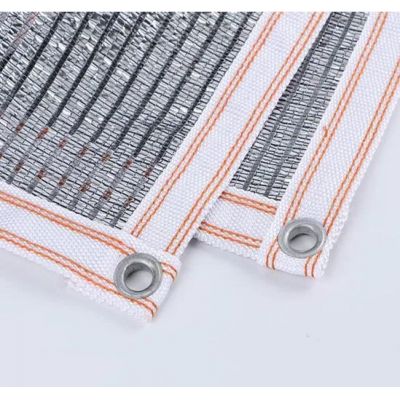


This is the heavy duty privacy cloth we supply with the grommets already fitted, and on a fence that is the detail that saves the most work: a plain roll has to be cut, have its edge finished and then be punched or eyeletted before it can be tied on, and getting that wrong is how a screen tears in its first season. Here the edge is bound and the eyelets are set at the factory, in the size you order, so the cloth goes on as it arrives. The HDPE is a heavier grade, for boundaries that take weather.
A plain roll of shade cloth has to be cut, have its edge finished and then be eyeletted before it can be tied to a fence, and that last step is where most screens fail: a punched hole in an unfinished edge tears out the first time the wind gets under it. This is the heavy duty cloth we supply with the grommets already fitted, cut to the size you order.
Because the edge is bound and the eyelets are set at the factory, the cloth arrives ready to tie on rather than ready to be worked on. The spacing is set when the order is placed, so a long boundary run can be given more fixing points than a short screen line instead of using one spacing for everything. That is what keeps a heavy cloth from bellying between two points once it is up, and it removes the step where a screen is most often ruined.
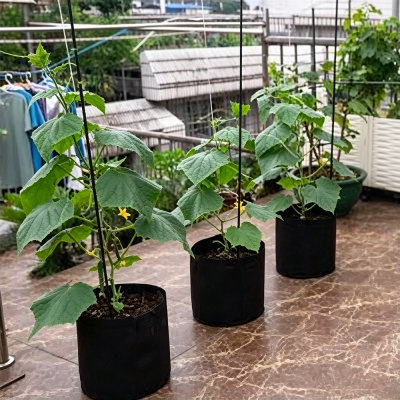
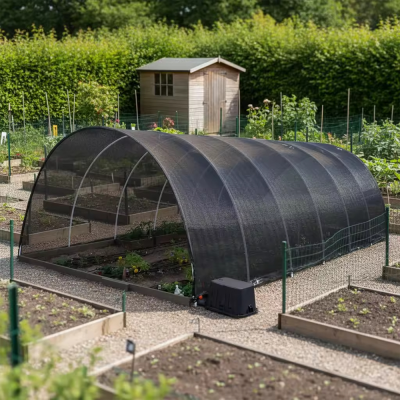
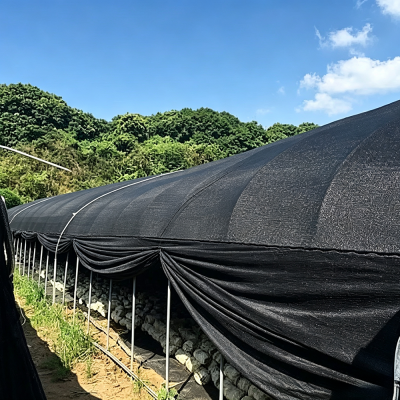
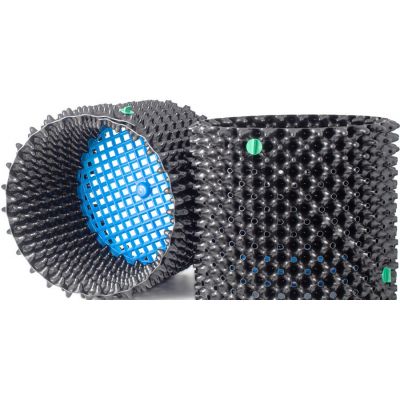
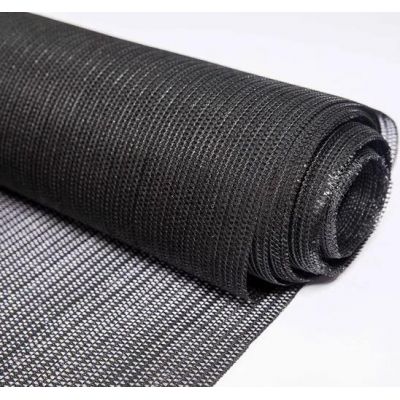
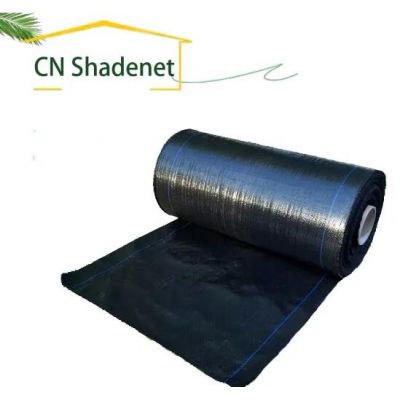
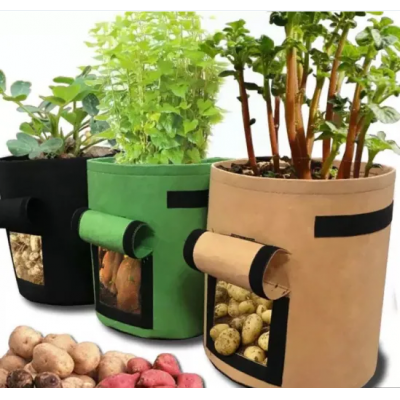
The cloth goes along an exposed garden fence, around a yard, across a screen line between neighbouring plots and over a gate where the view has to be closed off. Because the size and the grommet spacing are made to order, one order covers a fence and a shorter screen line from the same cloth. Households screening a bed behind the same cloth often pair it with a planting bag, and the wider shade net range covers the lighter grades where a heavy cloth is more than the job needs.
| Material | Heavy duty knitted HDPE with UV resistant yarn |
| Function | Privacy screening, shade and wind reduction |
| Shade Rate | Made to order |
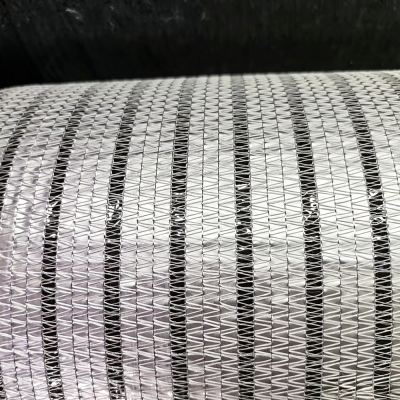
| Colour | Solid and striped, customised on request |
| Size | Cut to order, with grommet spacing to match |
| Edges | Bound edge with metal grommets fitted |
| Application | Exposed fence, yard and screen line |
| Packing | PP woven bag, customised on request |
A heavier cloth catches more wind, so the edge has to carry more load than on a light shade net. The bound edge and the set grommets are what make the heavier grade practical rather than a liability, and the cloth is cut to the height of the fence so the load is spread along the run. A knitted monofilament net covers the shading job where a lighter weave is wanted, while this cloth covers the screening and windbreak work.
Size, shade rate, colour and grommet spacing are all made to order, so the first detail to confirm is the height and length of the run and where the posts sit. Cloth ships in PP woven bags. Buyers tracking how screening performs outdoors can follow trade coverage such as HortiDaily and FreshPlaza for what is being installed.
Do I have to fit the grommets myself?
No. The edge is bound and the eyelets are set at the factory, so the cloth arrives ready to tie onto a fence or a rail.
Can the grommet spacing be changed?
Yes. Spacing is made to order along with the size, so a long boundary can carry more fixing points than a short screen line.
Can I order solid rather than striped?
Yes. The cloth is made to order in solid colours and in stripes. Tell us the run and the finish you want.
Tell us the height and length of the run, where the posts sit and the colour you are working to, and we will confirm the size and the packing that suit your order.
Mark Wu, Co-founder & Technical Director, Sichuan Zhifang Net Industry. 15 years manufacturing agricultural nettings for growers in 32 countries.