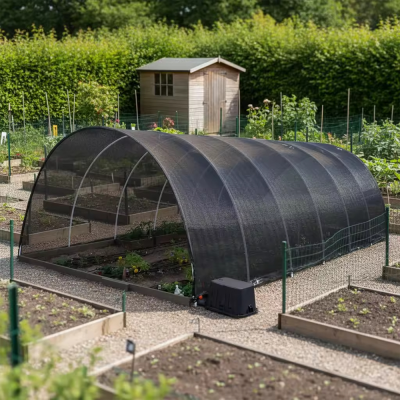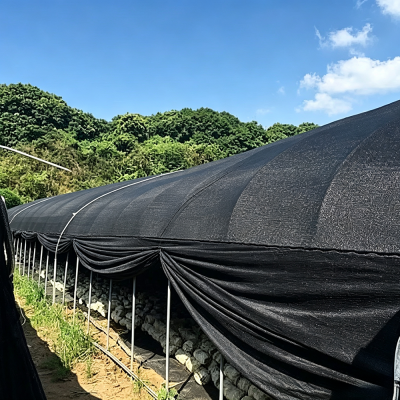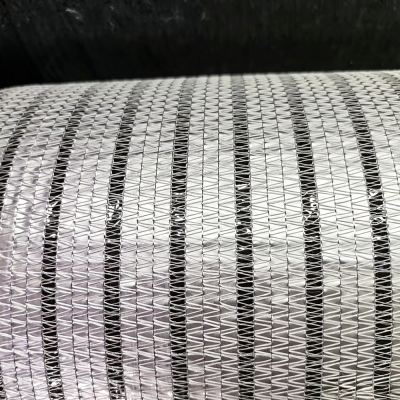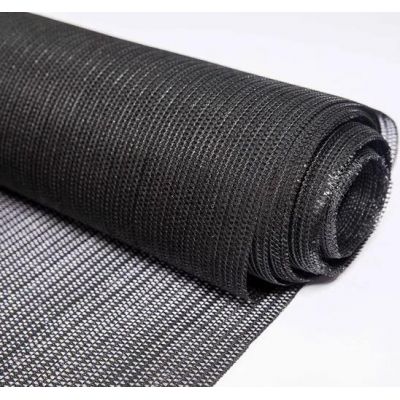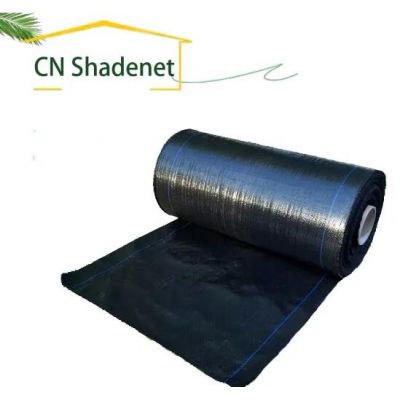


This is the 90GSM black shade net we run across field crops and nursery structures. The 90 gram weight is the first detail that matters, because it sets how much the cloth blocks and how it hangs under its own weight: heavy enough to sit flat across a wide span, light enough to roll on and off the frame without gear. The warp knit keeps the structure stable, so the net holds its span through a season of wind instead of stretching loose between the fixings. Farms run it over field rows, across nursery benches and over shade structures, and the shade rate runs 30 to 95 percent so one net suits a leafy crop and a seedling bench.
Two shade nets can look alike on a roll and behave nothing alike in the field. The gram weight decides how much the cloth blocks, how it hangs across a span and how it handles being rolled on and off the frame. This net runs at 90GSM in a black warp knit, which is the weight we supply for field crops and nursery work.
Gram weight is the number that tells you what a shade net will actually do. At 90GSM the cloth is dense enough to sit flat across a wide span under its own weight, so it does not billow or flap the way a light net does in open wind. It is still light enough to roll on and off the frame without a handling crew, which is what a nursery wants when shade is adjusted through the season. The warp knit holds the structure stable on top of that, so the net keeps the span it was cut to.
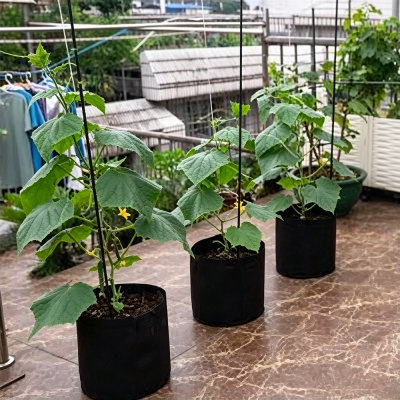
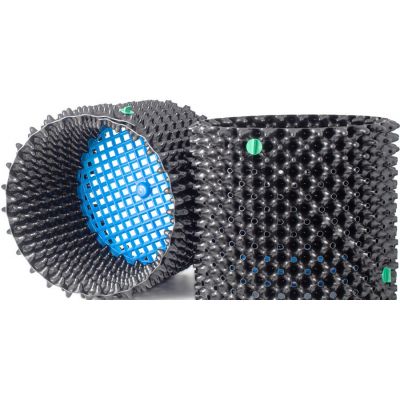
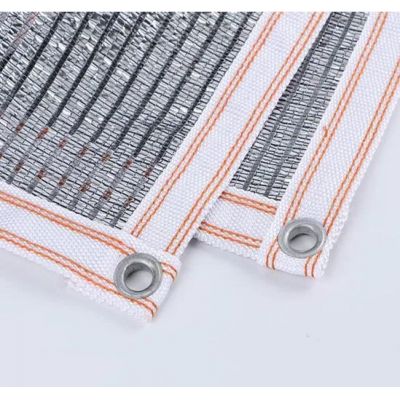
The net goes over field rows, across nursery benches and over shade structures where the whole working area sits under cover. Growers running pots and trays under the same net often pair it with a planting bag, and the wider shade net range covers the reflective and coloured types where the job calls for something other than a plain black cloth. On a nursery the same roll usually covers both the bench and the walkway, which keeps the spare inventory down to one weight.
| Material | HDPE warp knitted mesh |
| Gram Weight | 90GSM |
| Shade Percentage | 30% to 95%, made to order |
| Function | Sun protection, field and nursery shading |
| Colour | Black, customised on request |
| Length | Customers request |
| Application | Vegetable greenhouse, garden shading |
| Model | SC-076 |
| Packing | Export package, customised on request |
Shade rate is the first number to settle because it decides how much sun the crop keeps. We make this net anywhere from 30 to 95 percent, so a leafy field crop that needs the sun load cut hard runs at the heavy end and a seedling bench that only wants light shading runs lighter. The 90GSM weight is what carries that rate across the span without sagging. A knitted monofilament net covers the same idea where a finer weave is wanted, while this net covers the standard field and nursery job.
Width, length, shade percentage and colour are all made to order, so the first detail to confirm is the span of the field or the nursery structure you are covering. Rolls ship in export packing and are cut to suit the frame. Growers tracking how shade netting performs across a season can follow trade coverage such as HortiDaily and FreshPlaza for what is being installed on commercial sites.
Why does the gram weight matter on a shade net?
It sets how much the cloth blocks and how it hangs under its own weight. At 90GSM the net sits flat across a wide span, so it does not billow in open wind the way a light net does.
Is one net enough for both field and nursery?
Yes. The same roll covers field rows and nursery benches. Shade rate and size are made to order, so one weight covers several jobs on the same farm.
What shade percentage should I order?
A leafy field crop that needs the sun load cut hard runs at the heavy end of the 30 to 95 percent range. A seedling bench that only wants light shading runs lighter. Tell us the crop and the site and we will advise.
Tell us the span, the shade percentage and the colour you are working to, and we will confirm the width and the packing that suit your order.
Mark Wu, Co-founder & Technical Director, Sichuan Zhifang Net Industry. 15 years manufacturing agricultural nettings for growers in 32 countries.