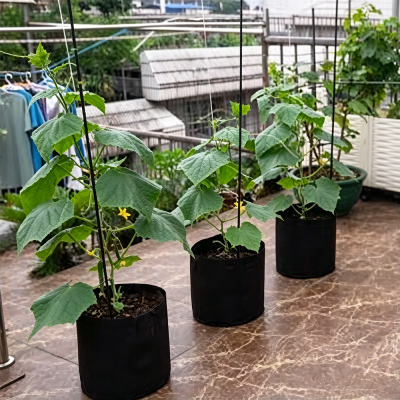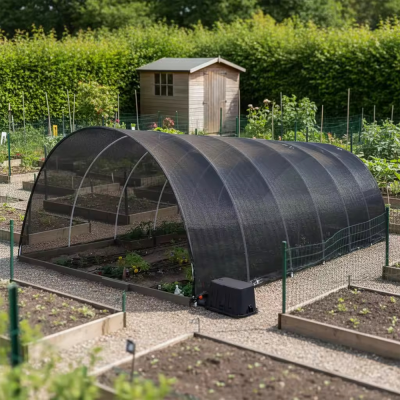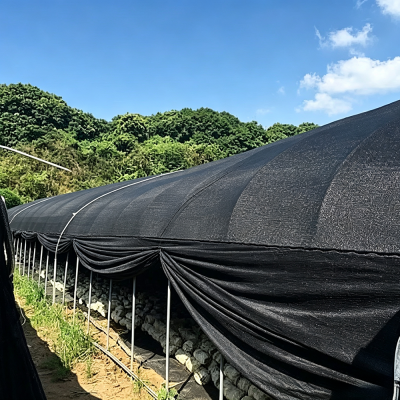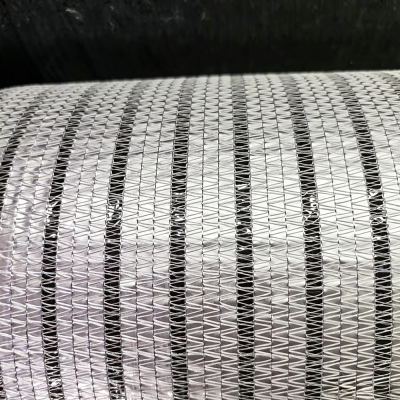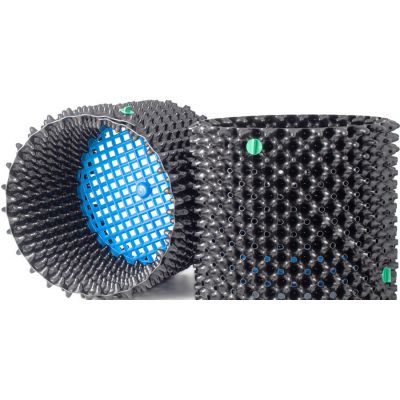


Standard net pots sit in a soilless system and restrict the root mass exactly where it should be expanding. This pot works the other way: the air hole pattern guides roots outward into the nutrient solution while pruning the tips, which triggers dense lateral branching and a huge surface area of fine roots ready to absorb water and nutrients. The PE body stays inert in contact with nutrient salts and pH adjusters, and the split design moves plants between systems or out at harvest without root trauma. Hole sizes and dimensions are customised for commercial lettuce, herb and strawberry programmes, and the pots are reusable and recyclable.
Soilless systems live or die on root surface area: the more fine roots a plant carries into the trough, the faster it drinks, feeds and finishes. This pot is built to deliver exactly that, as a rooter that sits inside the hydroponic system rather than fighting it.
A standard net pot lets roots circle the wall until they crowd the space they should be filling. Here the air hole pattern does two jobs at once: it guides roots outward into the nutrient solution, and it prunes the tips that reach the openings, which triggers dense lateral branching. The plant ends up with a huge surface area of fine roots actively absorbing water and nutrients, which is what accelerates a growth cycle in a commercial system. The same wall runs across the air pruning pot range for soil-based growing.


Nutrient solutions are aggressive working fluids, and container material has to stay out of the chemistry. The PE body remains inert in contact with nutrient salts and pH adjusters, and it is moulded UV stable for installations that also see daylight. The split design opens without root trauma, so plants move between systems, or out at harvest, with the root mass intact. Cleaned and stacked between cycles, the same pots return for the next run.


| Use | Hydroponic and soilless cultivation systems |
| Material | PE/PVC |
| Diameter | 20-70 cm, or customised |
| Height | 20-70 cm, or customised |
| Thickness | 0.6-1.2 mm, or customised |
| Base diameter | 20-60 cm |
| Hole size | Customised to the system |
| Colour | Black or white, or customised |
| Samples | Available |

Commercial hydroponic operations run standard crops through standard geometry, and this programme is built around them: lettuce heads, herb lines and strawberry troughs all grow on the same root principle, with hole sizes and dimensions set to the system in use. Faster turnaround and reduced root disease both land directly in the return on a controlled environment operation. Where propagation happens first, a seedling propagation tray covers the stage before plants move into these rooters.
Hole sizes and dimensions are customised to the system a programme runs, so the rooter matches the trough, raft or channel rather than the other way around. Bulk orders are quoted by size and volume with panels nested for freight. For soft-wall containers in the same range, the planting bag alternative covers flexible growing. Trade coverage of growing practice runs at HortiDaily and FreshPlaza.
How is this different from a net pot?
A net pot holds roots inside its wall. This rooter guides them outward into the nutrient solution and prunes the tips, so the plant grows a far larger fine-root surface.
Does the material interact with nutrients?
No. The PE body stays inert in contact with nutrient salts and pH adjusters, and the UV stable moulding holds up where installations see daylight.
Can hole sizes be specified?
Yes. Hole sizes and dimensions are customised to the system, covering lettuce, herbs, strawberries and similar commercial crops.

Tell us the system, hole size and volumes you run and we will come back with the packing plan and lead time.
Mark Wu, Co-founder & Technical Director, Sichuan Zhifang Net Industry. 15 years manufacturing agricultural nettings for growers in 32 countries.