

Buyers usually order this net by colour and inspect it by effect, and the two do not line up quite as expected. Colour matters less for how much light is blocked than for how the light that passes through is tinted; the shading rate on a monofilament knit comes from the yarn gauge and the mesh density, not from the pigment. A green and a black net at the same percentage block the same share of light, but the house under the black one reads hotter at crop height. This net is knitted from single HDPE filaments rather than split tape, which keeps the mesh flat and lets rain through. Shading runs from 40 to 99 per cent.
The order form usually says green, and the complaint three months later is about heat. The two are connected only loosely. Colour decides how the net looks and how the light under it is tinted. It does not decide how much of that light is stopped.
A shade net works on geometry before it works on chemistry. The shading percentage comes from how much of the surface the yarns cover, which is set by the yarn gauge and the mesh count. Two nets of the same construction at the same rate block the same share of the incoming light whatever colour they are dyed.
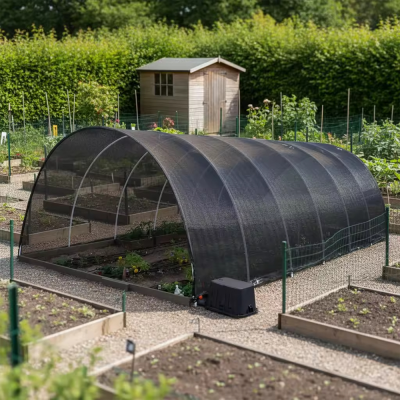
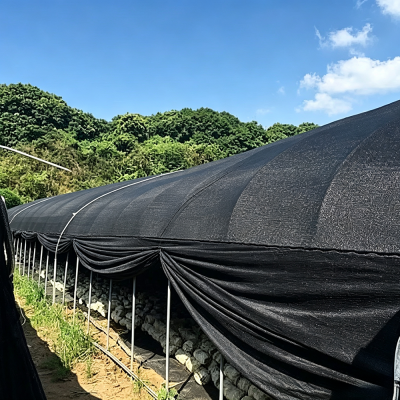
Where colour does register is in the heat that builds under the net. A dark net absorbs more of the radiation it intercepts and re-emits it, so the air temperature at crop height reads higher than under a light coloured net of the same shading rate. Green and blue sit between the two. That is why we ask what the net is for before asking what colour: a nursery protecting seedlings from scorch is choosing on a different basis from a grower shading a car park.
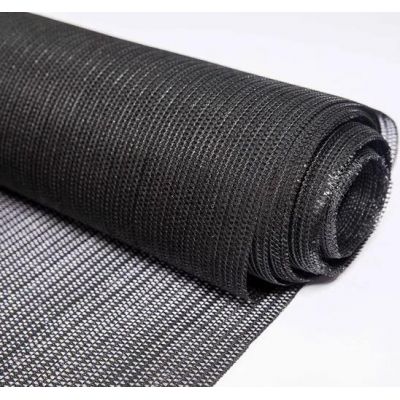
Most shade cloth is knitted from split tape, which is flat film cut into narrow strips and drawn. A monofilament knit uses single round filaments extruded directly, so the mesh stays flatter and holds its shape, and rain runs through the openings instead of ponding on the flat surfaces of the tape.
The practical difference shows up in two places. Air moves through a monofilament mesh with less resistance, which matters in a house that depends on passive ventilation. And the flat tape construction traps more dust and algae in the weave over a season, which slowly changes the shading the crop actually receives. Neither effect is dramatic in year one; both are noticeable by year three.
| Material | HDPE monofilament, UV stabilised |
| Construction | Knitted round filament mesh |
| Shading rate | 40% to 99%, made to order |
| Colour | Green, black, grey, blue, other colours to order |
| Weight | Set by GSM against the crop and the season |
| Size | Customised to your bed or bay |
| Guarantee | 500kly |
| Applications | Agriculture, horticulture, greenhouse, aquaculture |
| Model | ZF-MO-009 |
| Packing | PE bag or woven bale, customised on request |
Start from the crop and the season, not from the percentage. Leafy crops that bolt under strong light usually take a higher rate; fruiting crops that need light to size and colour lose yield if the house is darkened too far. Weight follows the rate, because a heavier yarn is what produces a denser mesh.
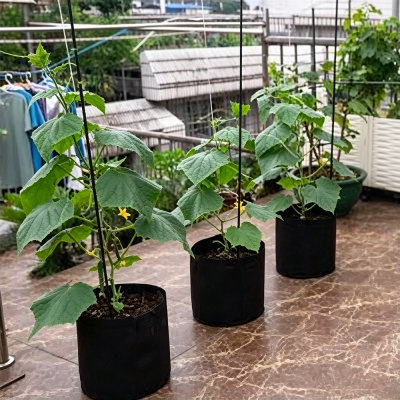
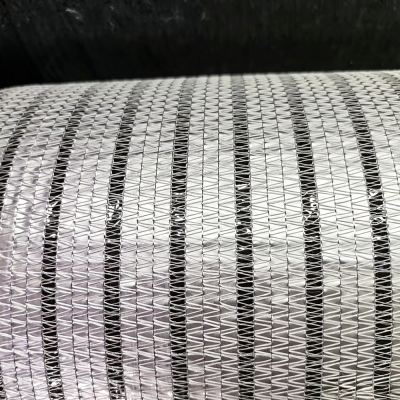
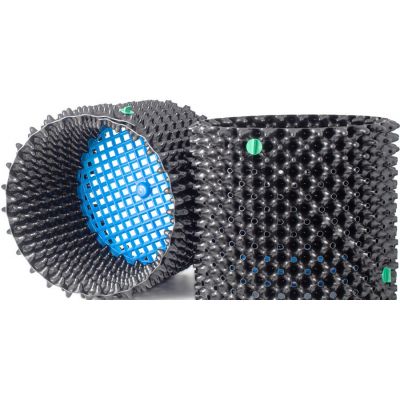
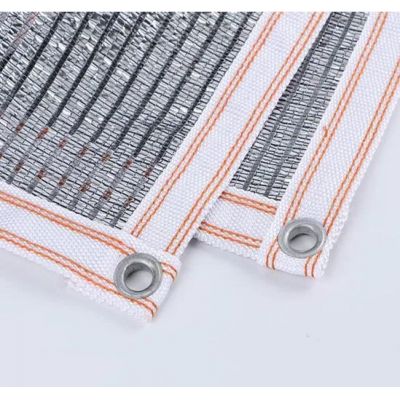
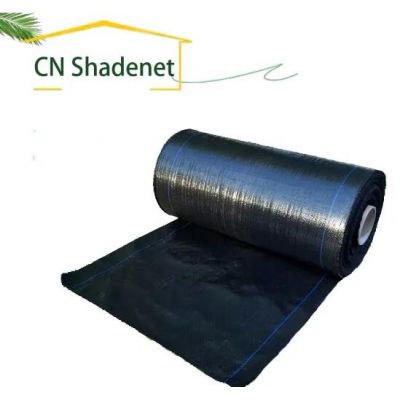
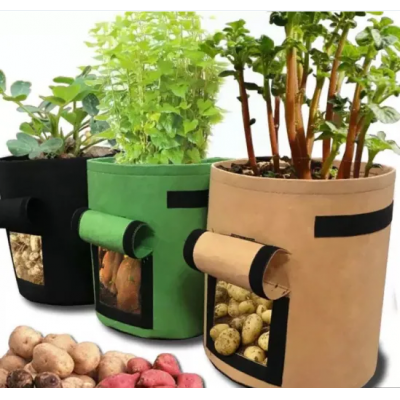
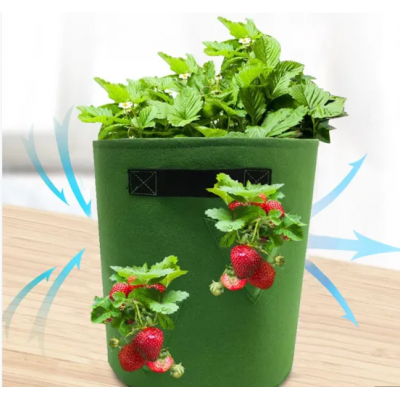
Wind loading is the second figure. A lighter net costs less per roll and also moves more in a gust, so on an exposed site the heavier construction often outlasts two lighter ones. Where a house already runs a reflective screen for the peak weeks, this net carries the rest of the season at a lower rate; the two are usually ordered together. Growers running container crops under either net pair it with a planting bag, and the wider shade net range covers flat wire and reflective types as well.
UV stabiliser is where a low-cost net saves money, and a knit is unforgiving about it: the filaments are thin, so a weak stabiliser shows up as brittleness along the fold lines rather than as an obvious failure. Our screens go through the same five in-house checks as the rest of the range, ageing and tensile included, before a roll is packed.
We have been making agricultural netting since 2011, in a plant of close to 10,000 square metres with more than 50 machines. Protected cultivation is covered in the trade press, including the coverage at greenhouse industry news and the guidance published by the FAO protected cultivation guidance. Company background sits on our about page.
Does the colour change how much shade the net gives?
No. Shading rate comes from the yarn gauge and the mesh density. Colour changes the appearance and the tint of the light, and a dark net runs warmer underneath than a light one at the same rate.
Green or black for a vegetable crop?
Green if the site is visible from a road or a neighbour, black if you want the maximum heat pickup under the net. Both give the same shading at the same rate. Tell us the crop and the site and we will say which we would ship.
What does the 500kly guarantee refer to?
It is the ultraviolet energy the fabric is rated to take before it starts to degrade. Virgin imported and domestic raw material, UV and anti-ageing additives worked into the yarn, then a shaping treatment.
Can the net be made to my bed width?
Yes. Widths and lengths are cut to the bed or bay you send, and there is no need to plan the site around a stock roll.
Send the crop, the season and your site conditions, and we will confirm the shading rate, the colour and the weight that suit the job.
Mark Wu, Co-founder & Technical Director, Sichuan Zhifang Net Industry. 15 years manufacturing agricultural nettings for growers in 32 countries.
Running a monofilament net on your site? Leave a review below and tell other growers which colour and rate you settled on.