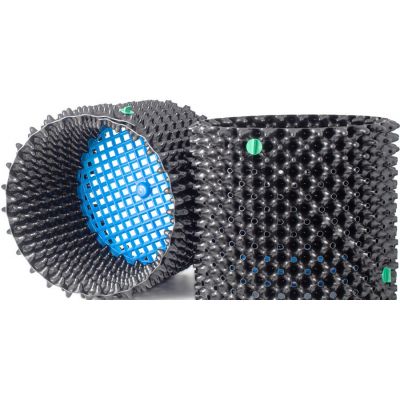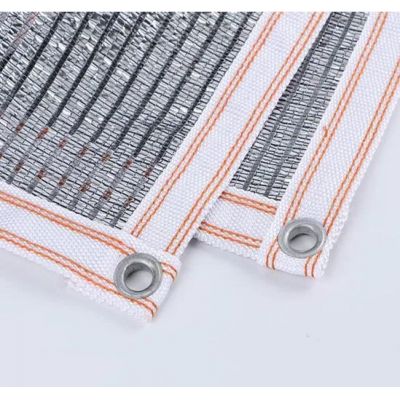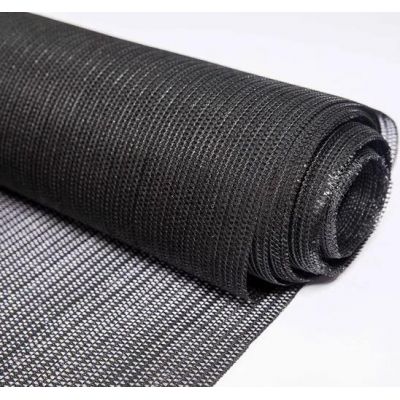


Tray specifications come in pairs. The cell count sets how many plants a bench carries; the depth sets how long each of them can stay there before its roots reach the base and turn. A 50 cell tray at 4.5 cm suits a crop held longer, 105 cells at 4 cm is the working middle for vegetables and bedding plants, and 200 cells at 4 cm is for high count propagation where the seedling leaves quickly. Picking the count without the depth is what leads to seedlings being transplanted early, before the root system has filled the cell.
A seeding tray is usually bought by cell count alone, and the depth is treated as a detail that comes with it. In practice the two are a pair: the count decides how many plants a bench holds, and the depth decides how long each plant can stay there before its roots reach the bottom of the cell and start to turn.
The 50 cell format with 4.5 cm of depth is the one to reach for when a seedling is going to be held longer before it moves on, because the extra depth carries more medium and gives the root somewhere to go. It suits peppers, tomatoes and brassicas started early, and anything that will be potted on rather than planted straight out. The 105 cell format at 4 cm is the working middle for vegetable and bedding plant production, balancing bench density against a root run that is deep enough for a normal schedule. The 200 cell format at 4 cm is for high count propagation where the plant leaves the tray quickly. The same range logic runs through the whole root control container range, and for growers working across several crops it sits alongside the shade net and planting bag ranges.
Depth is the number that sets the transplant date. In a shallow cell the root reaches the base in a few weeks and then starts to circle it, and a plant transplanted after that point arrives in the field with a root ball that needs work before it will grow away. Four centimetres is enough for the common vegetable and flower schedules; 4.5 cm extends the window by a useful margin for crops started early in the season or held when weather delays planting out. The practical way to use the range is to pick the depth from the length of the holding period and then pick the count from the bench area available, rather than the other way round.
| Model | NP-003 |
| Material | Plastic |
| Cell Formats | 50, 105 or 200 cells per tray |
| Cell Depth | 4.5 cm on the 50 cell format, 4 cm on 105 and 200 cell |
| Application | Agricultural and hydroponic seedling raising |
| Packing | Nested trays for export |
| Price Range | USD 1.2 to 1.6 per piece |
The trays are used in two quite different settings. On a hydroponic bench or in a media based system the tray holds the plug while it establishes, and the free drainage at the base is what keeps the medium from staying saturated between irrigation cycles. In an ordinary nursery the same tray is the first stage of a potting on sequence, and here the cell count matters most because the whole block moves together: a tray of 200 is quick to fill and quick to move on, while a tray of 50 gives each plant more room and more medium before the move. Neither is better in the abstract, and most nurseries run more than one format for exactly that reason.
Empty trays nest, so a bulk order takes up a fraction of the space it would if the trays were supplied loose, and a stack keeps its shape in a store through the off season. Minimum order is 500 pieces with the price range shown for this model at USD 1.2 to 1.6 per piece, samples are available, and delivery runs about 15 days after deposit with L/C and T/T accepted. Where a nursery runs several crops, ordering the three cell formats together means one specification and one lead time covering the whole season. Trade coverage of how nurseries manage propagation schedules, such as HortiDaily and FreshPlaza, is worth following if you are specifying for more than one crop.
Which cell count should I start with?
105 cells at 4 cm is the working middle for vegetables and bedding plants. Move to 50 cells at 4.5 cm when the seedling will be held longer, and to 200 cells when it leaves the tray quickly.
Why does 0.5 cm of extra depth matter?
It extends the window before the root reaches the base, which matters most for crops started early or held when planting out is delayed.
Are the trays suitable for hydroponic growing?
Yes. The base drains freely, which keeps the medium from staying saturated between irrigation cycles on a hydroponic bench. Tell us the crop and the schedule and we will confirm the format.
Tell us the crops you are starting, how long they stay in the tray and the bench area you have, and we will confirm the cell count, the depth and the packing that suit your order.
Mark Wu, Co-founder & Technical Director, Sichuan Zhifang Net Industry. 15 years manufacturing agricultural nettings and nursery containers for growers in 32 countries.