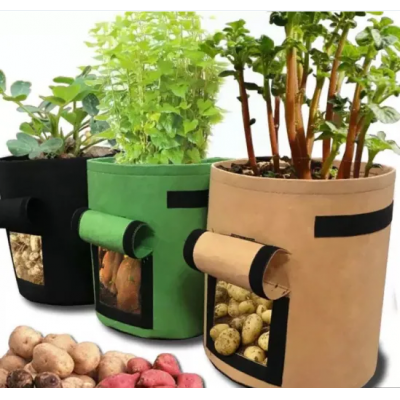


Non woven covers a lot of different cloth, and the difference that matters in a grow bag is how the fibres are held together. A spunbond fabric is made by laying continuous filaments down into a web and bonding them, so there is no warp and weft to pull apart and no yarn ends to fray. A woven bag has both, and a cut edge or a scuffed corner is where one of those yarns starts to run. That is why a spunbond bag survives being folded, stacked and washed between crops, and why it stays flexible across the whole range from -20 C to 50 C instead of going stiff in the cold.
Two grow bags can look the same on a shelf and behave completely differently after a season, and the reason is usually the fabric rather than the stitching. Non woven is a family of materials, not one material, and the way the fibres are bonded decides how the bag handles being used.
Spunbond fabric is made by extruding continuous filaments, laying them into a web and bonding the web together. There is no warp and weft, so nothing can slide and no yarn end can be picked out and pulled. A woven bag is the opposite: strong in the two directions the yarns run, and vulnerable at any cut edge or scuffed corner, which is exactly where a bag gets handled. In practice that shows up as fraying along the top hem and a run starting at a corner after the bag has been dragged across concrete. The spinning process also leaves the web porous in a way that lets air and water move through the wall evenly rather than only at the seams.
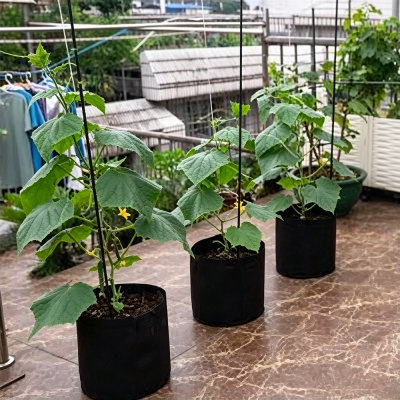
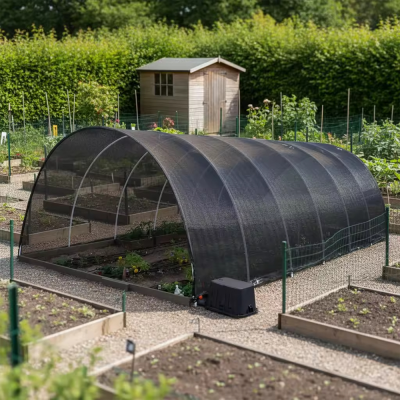
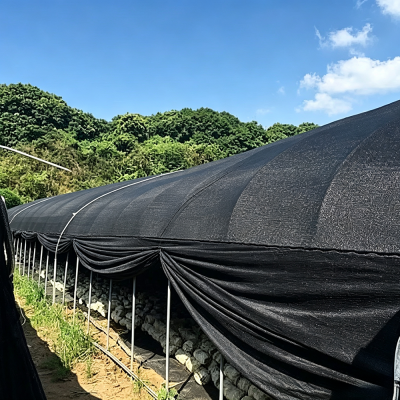
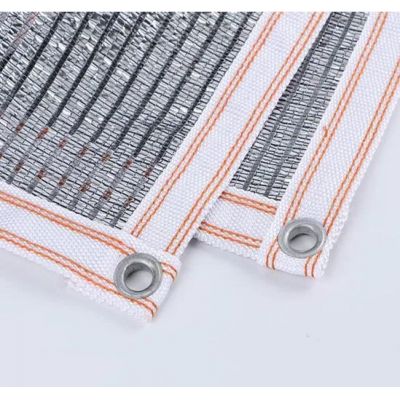
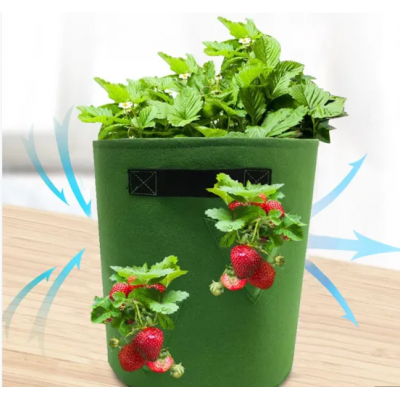
The bags are used on greenhouse benches where they are lifted and moved through the season, in nursery rows where stock is grown on before planting out, and on patios and terraces where a raised bed is not practical. Because the walls breathe, the medium dries evenly and the roots are not sitting in a saturated layer after watering; because the bag drains instantly, a heavy monsoon watering does not leave the plant standing in water. Growers working the same ground often order a planting bag range to suit the crop, and where the crop also needs shade, the shade net range covers that separately.
| Model | GB-028 |
| Material | Spunbond non woven polypropylene |
| Raw material | Recycled, fresh, or to your requirement |
| Size | 1 to 400 gallon, or made to your requirement |
| Colour | Black, green, or to your requirement |
| Handles | Two reinforced side handles |
| Temperature range | -20 C to 50 C |
| Packing | Bag, pallet or carton |
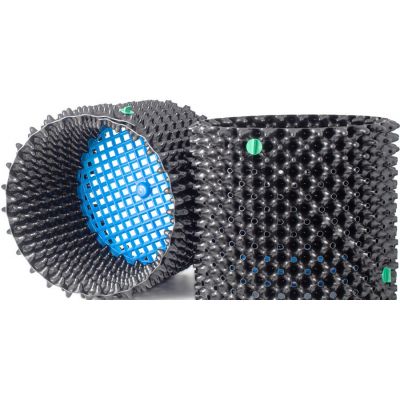
The bag stays flexible from -20 C to 50 C, which is a wider range than most of the places these bags end up in and covers both a cold store and a summer greenhouse without the fabric going brittle at one end or softening at the other. It also takes repeated folding and washing between crops without the surface fraying, which is what makes reuse practical rather than theoretical: a bag that sheds fibres every time it is handled is not really a reusable bag. The handles are reinforced and cross stitched where they meet the wall, because that joint carries the whole load every time the bag is lifted. Where a round rigid container is wanted instead, a grow bag with air pruning seams is also available.
Sizes run from 1 to 400 gallon, with anything outside that made to order, and the mid sizes are also quoted by volume from 1 L to 50 L for buyers who work that way. Colour, logo, handle reinforcement and pack quantity are all specified with the order, and a free sample is available so the fabric can be judged in the hand. The bundles fold flat at 500 pieces to a pack, which takes about 80 per cent off the storage space rigid pots would need. Tell us the crop, the size and the quantity and we will confirm the specification. Buyers tracking what is going into nursery and greenhouse production can follow trade coverage such as HortiDaily and FreshPlaza for what growers are installing.
What is the difference between spunbond and woven fabric?
Spunbond is a web of continuous filaments bonded together, so there are no yarn ends to fray or pull. A woven bag has warp and weft yarns and is vulnerable at cut edges and scuffed corners. Tell us how the bags are handled.
Can the bags be washed and reused?
Yes. The fabric takes repeated folding and washing between crops without fraying, which is what makes reuse practical. Tell us how many seasons you need and we will advise on the weight.
Will the bag cope with a cold store or a hot house?
It stays flexible from -20 C to 50 C, so it covers both without going brittle in the cold or soft in the heat. Tell us the growing conditions and we will confirm the grade.
Tell us the crop, the size and the quantity you need, and whether a logo or a specific colour is required, and we will confirm the specification, the sample and the packing that suit your order.
Mark Wu, Co-founder & Technical Director, Sichuan Zhifang Net Industry. 15 years manufacturing agricultural nettings for growers in 32 countries.