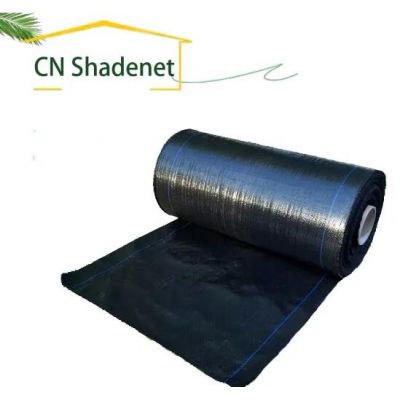


A greenhouse floor is the hardest place on a farm to keep a cover alive. The humidity never drops, so the cloth stays damp; people walk the same line all day, so the weave is worked against itself at every step; and trolleys, crates and tools get dragged across it, which is where a light cover gets punctured and starts to run. That is why this grade is specified thick. The extra weight is not there to block more weeds, it is there to survive being walked and dragged on for more seasons than a lighter cloth lasts, and the cost of a thicker roll is usually less than the cost of replacing a thin one twice.
A weed mat on an open field has an easy life compared with the same cloth on a greenhouse floor. Indoors it never dries out properly, it is walked on every day along the same line, and it has crates and trolleys dragged over it. That is the reason this grade exists, and it is the reason the weight matters more here than it does outside.
Three things wear a cover out indoors. The first is moisture: the house holds humidity, the floor under the benches stays damp, and a damp cloth is softer and more easily damaged than a dry one. The second is repetition. The same aisle is walked by the same boots dozens of times a day, and the weave is worked at the same points until it thins. The third is dragging: crates, trays and tools get pulled along the floor rather than lifted, and a sharp edge does not need much weight behind it to start a puncture that then runs. A thicker cloth answers all three at once because there is more material at every point of contact, and the cost of the extra weight is generally less than the cost of replacing a lighter cover before the crop is out.
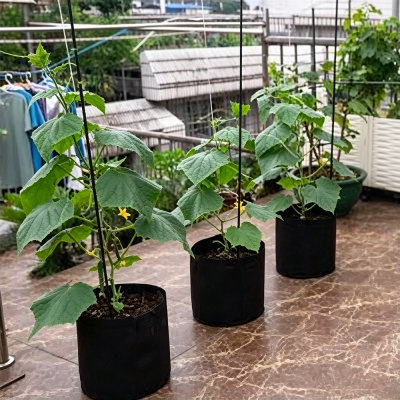
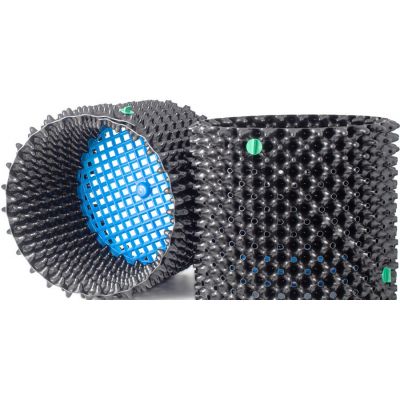
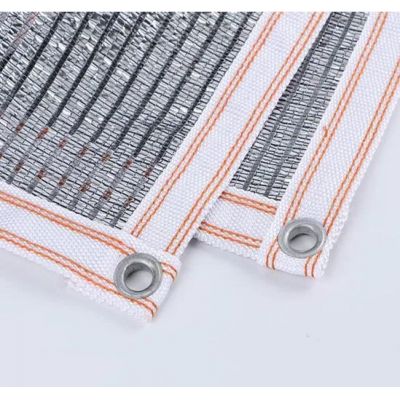
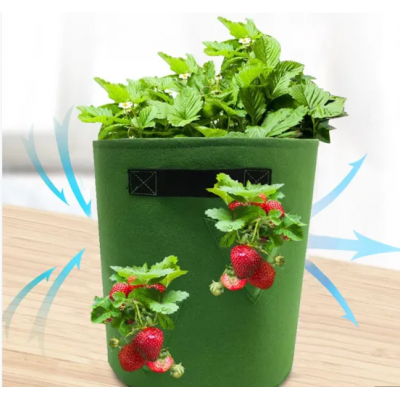
The cloth covers the walkways between beds, the ground under and around the benches, and the propagation and potting areas where soil is being moved around all day. Under the benches it also does a second job that has nothing to do with weeds, because it stops the water pooling on the walkway when the house is being watered heavily. Because the weave is permeable, water from the beds above it does not collect on the surface. Growers potting into containers on the same floor often order a planting bag alongside, and the shade net range covers the covers that go over the crop rather than on the ground.
| Model | WB-024 |
| Material | 100% woven polypropylene |
| Weight | 70 to 200 gsm |
| Width | 0.5 m to 6 m |
| Length | 50 m, 100 m and 200 m, or made to request |
| Colour | Black and green |
| UV treatment | Made to your requirement |
| MOQ | 2 tons |
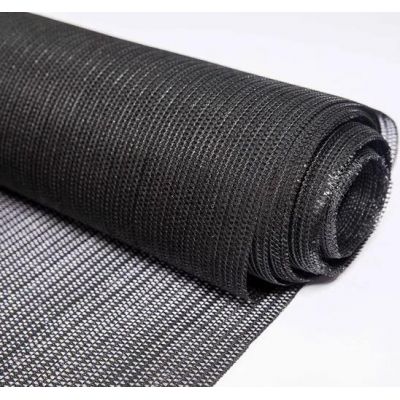
The range runs from 70 to 200 gsm, and on a greenhouse floor the useful half of it is the top end. What the extra weight buys is not shade and not weed control, both of which the light grades already deliver, but resistance to the two things that finish a floor cover early: punctures from dragged equipment and abrasion along the walked line. Thicker cloth also holds its shape better at the edges, which matters because the edge is usually where a loose cover starts to lift and catch. Where the floor is laid in several drops, the joints want a proper overlap and the edges want pinning or battening so the cloth cannot be scuffed back. Where the requirement is covering the crop above ground rather than the soil, a knitted monofilament net is the better fit.
Width, weight, length, colour and UV level are made to order, and the standard minimum order quantity is 2 tons. Lengths of 50 m, 100 m and 200 m are the usual runs, and widths go from 0.5 m for a narrow walkway up to 6 m where a whole house is laid in one drop. Delivery is quoted at 25 to 35 days from order. Tell us the floor layout, what gets dragged across it and how often the house is watered and we will confirm the weight. Buyers tracking what is being laid on protected cropping floors can follow trade coverage such as HortiDaily and FreshPlaza for what growers are installing.
How thick does a greenhouse floor cover need to be?
The useful part of the 70 to 200 gsm range on a house floor is the heavier end, because the wear comes from foot traffic and dragged equipment rather than from the sun. Tell us what crosses the floor and we will confirm the weight.
Does it stay wet underneath?
The weave is permeable, so water from the beds and from overhead irrigation passes through the cloth instead of standing on it. That is also what stops the walkway turning into standing water while the house is watered.
What happens at the joints between drops?
The drops overlap and the edges are pinned or battened, so the cloth cannot be scuffed back from the edge. Tell us the floor width and we will work out the drop widths to keep the joints to a minimum.
Tell us the floor layout, the width and weight you have in mind, and how the ground is used, and we will confirm the roll sizes, the cut lengths and the packing that suit your order.
Mark Wu, Co-founder & Technical Director, Sichuan Zhifang Net Industry. 15 years manufacturing agricultural nettings for growers in 32 countries.