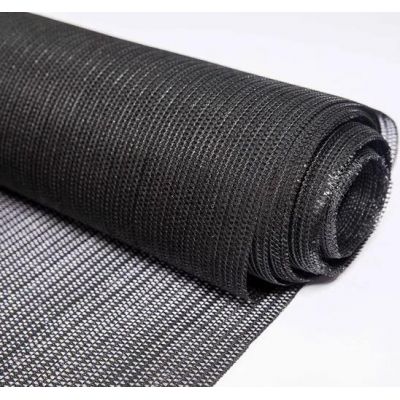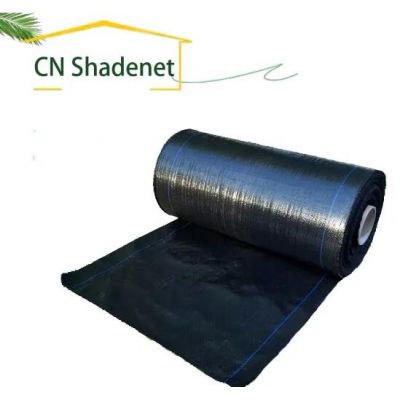


This is the transparent insect net we supply to vegetable greenhouse growers, and the transparency is the part that matters on a cropping house: a white or green insect cloth always costs some light, and over a crop that is already working against short winter days that cost shows up in growth. This cloth is made to pass light through rather than diffuse it, so the crop under it is still working in full sun. The mesh is 50 by 25, and the widths run 2 to 6 m for covering a frame or a bed.
Every insect cloth costs a grower some light, and over a winter crop that cost is real: a white or green net that diffuses the sun is shading the plants it is protecting. This is the transparent insect net we supply for that trade-off, made to pass light through rather than to diffuse it.
Transparency matters most where the growing season is short or the light is already marginal. A cover that cuts light is working against the crop all day, every day, which is why growers who already run shade cloth for summer heat choose something different for insect protection in the shoulder season. This cloth passes light rather than scattering it, so the plants under it keep working at close to full sun while the insects are still held out. The mesh is woven HDPE, and the open construction means air still moves through the cover.
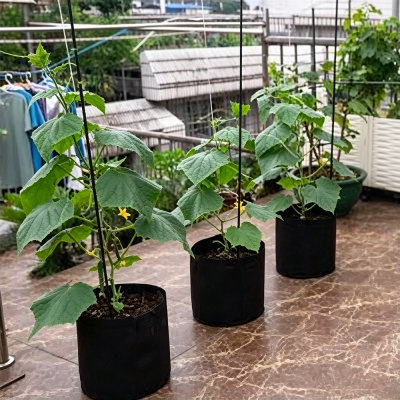
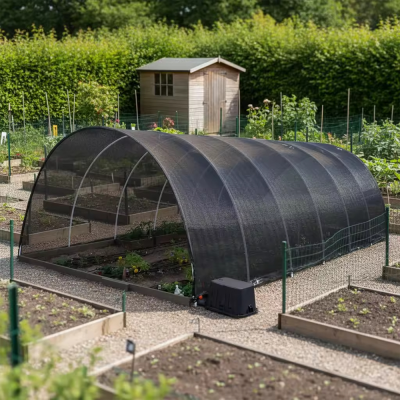
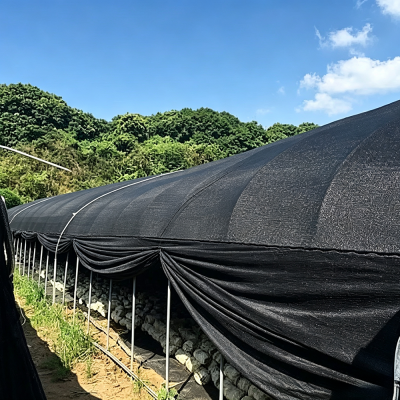
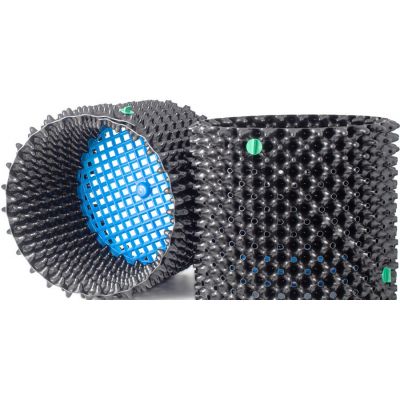
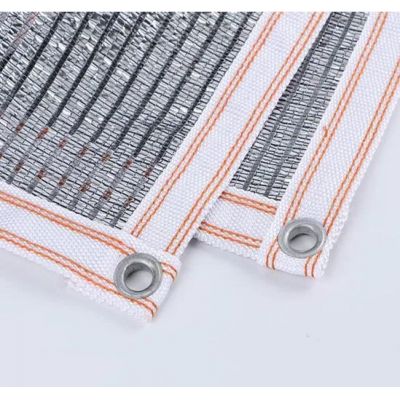
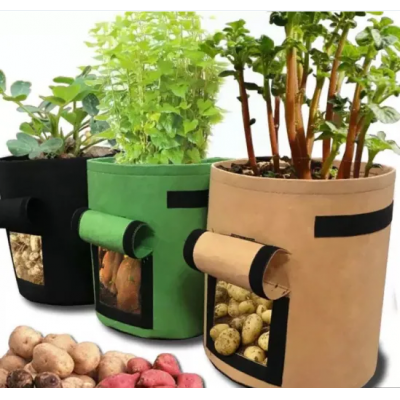
The netting goes over a vegetable greenhouse vent, across a garden frame, over a raised bed and along a crop row, and because it comes in 2 to 6 m widths a frame or a bed can be covered in one piece rather than joined down the middle. Growers setting trays under the same netting often pair it with a planting bag, and the wider shade net range covers the shading grades where light rather than insect control is the problem.
| Material | Woven HDPE, transparent |
| Mesh | 50 by 25 mesh |
| Width | 2 to 6 m |
| Function | Keeps insects off crops without shading them |
| Application | Vegetable greenhouse, garden frame and raised bed |
| Packing | Roll, customised on request |
| MOQ | 5000 m2 |
| Mesh Range | Other counts available across 20 to 60 mesh |
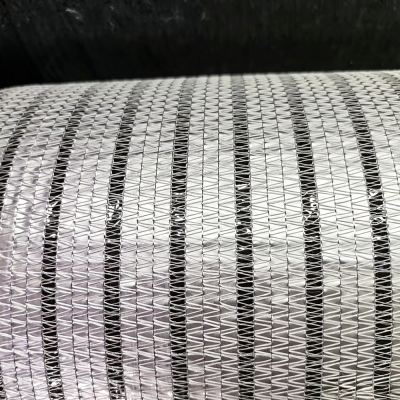
The count is quoted in two directions because the openings are rectangular rather than square: 50 threads one way and 25 the other gives an aperture that is longer in one axis than the other, which is the usual way a cloth is built to hold a particular insect while keeping more of the open area free for airflow than a square mesh of the finer count would. Where a crop is under a cover all season that difference in airflow is worth having, and it is why the count is specified as a pair rather than a single number. A knitted monofilament net covers the shading job where a shade rate is wanted instead.
Width, length, mesh count and colour are made to order, and the standard minimum order quantity is 5000 m2. The first detail to confirm is the insect you are dealing with and the light levels the crop needs. Netting ships in rolls. Buyers tracking how insect netting performs can follow trade coverage such as HortiDaily and FreshPlaza for what is being installed.
Does a transparent net really keep the light level up?
It passes light through rather than diffusing it, so a crop under it keeps working at close to full sun while the insects are still held out.
What does the 50 by 25 mean?
Thread counts in the two directions, which gives a rectangular opening. The count is quoted as a pair because the openings are not square.
Can I order a different mesh count?
Yes. Other counts across the 20 to 60 mesh range are available. Tell us the pest and the crop and we will advise.
Tell us the insect you are dealing with and the light levels the crop needs, and we will confirm the mesh count, the width and the packing that suit your order.
Mark Wu, Co-founder & Technical Director, Sichuan Zhifang Net Industry. 15 years manufacturing agricultural nettings for growers in 32 countries.