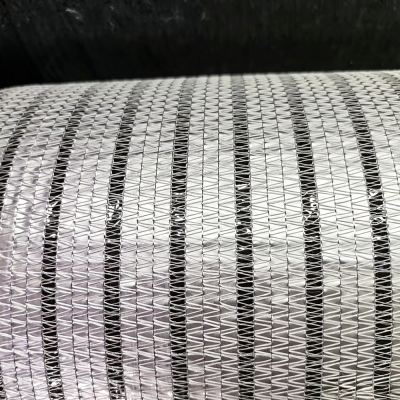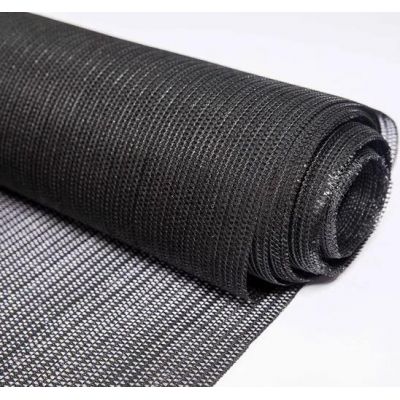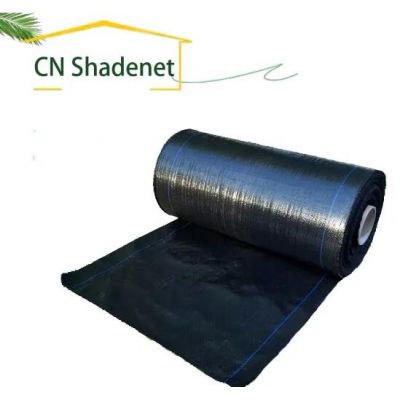


Laying a cover over a field is forgiving; laying one in a raised bed is not. The beds are square, the edges are visible, and a cover that runs out of true is noticed by everyone who walks past it. That is what the guide lines in the cloth are for. Laid to the line rather than by eye, the fabric stays parallel to the box, the overlap is even, and the joints sit where they are meant to. The cloth is a heavy-duty woven polypropylene with a controlled pore structure, so water drains and air moves while the light stays off the soil, and it is supplied in black with the guide line for cutting and laying.
A field cover can be a little out of true and nobody will ever know. A raised bed cannot: the box is square, the edges are on show, and a cover that runs off the line is the first thing anyone notices. The job is the same but the tolerance is not, and it is the reason the guide lines woven into the cloth matter more here than they do on an open block.
On a small bed the cloth is cut to a panel rather than rolled out, and the cut edge is what has to line up with the box. Cutting against a woven guide line gives a true edge every time, which matters when the panel is going to be looked at from above and both sides at once. The guide line is also what keeps the overlap constant where a wide bed takes two drops, so the joint falls in the same place along the whole length instead of wandering. On a bed that is being planted to the edge, that is the difference between a finished job and one that looks improvised.
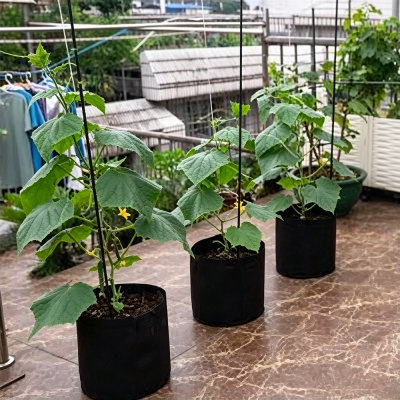
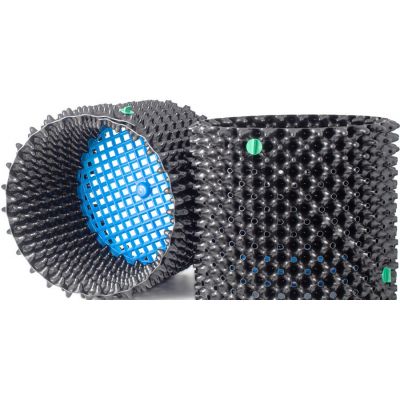
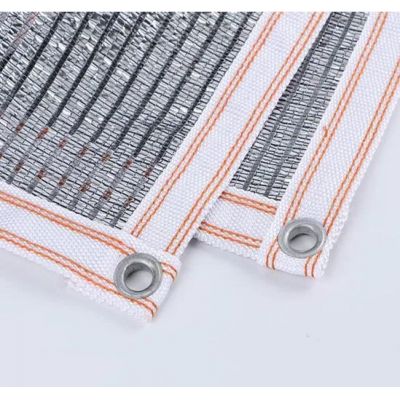
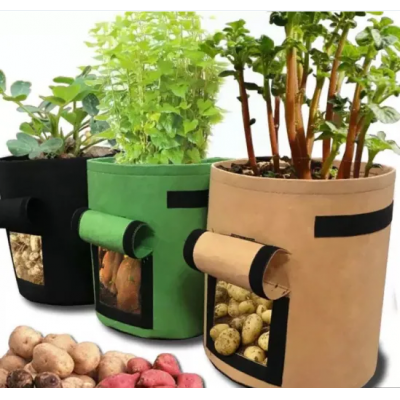
The cloth is laid inside timber and block raised beds, over the floor of a greenhouse where weeds come up between benches, and along garden edges where grass runs into a border. Because the pore structure is controlled rather than random, water drains and air still moves, so a bed that is watered every day does not sit on a saturated layer. It is also used under gravel and bark where the fabric has to take the abrasion of what is sitting on top of it. Growers raising stock on the same ground often order a planting bag alongside it, and the shade net range covers the covers that go over the crop rather than into the ground.
| Model | WB-003 |
| Material | Heavy duty woven polypropylene, UV stabilised |
| Weight | 3.2 oz fabric weight |
| Width | Made to order to suit the bed |
| Length | Cut to your requirement |
| Colour | Black with a guide line |
| Water | High permeability, controlled pore structure |
| MOQ | 5000 m2 |
The guide line is a simple thing that saves a great deal of fiddling. It gives a reference for cutting a panel square, a reference for lapping the next drop, and a reference for checking that the cloth has not been dragged off line while it is being pinned. On a raised bed the panel is usually cut from the roll on site and the line is what keeps the two long edges parallel; on a greenhouse floor it is what keeps a run of drops consistent from one end to the other. Where the requirement is covering plants above ground rather than the soil below, a knitted monofilament net is the better fit.
Width, length, colour and weight are made to order, and the standard minimum order quantity is 5000 m2. OEM marking can be added where the goods are being sold on. Send us the bed dimensions and the layout, and we will work out the panel sizes and the drop widths so the beds are covered with the fewest cuts. Buyers tracking what is going into raised beds and greenhouse floors can follow trade coverage such as HortiDaily and FreshPlaza for what growers are laying.
What are the lines in the fabric for?
They are woven guide lines, used for cutting a panel square and for setting the overlap when two drops are laid together. On a raised bed they are what keeps both long edges parallel to the box.
Will a raised bed drain properly under the mat?
Yes. The pore structure is controlled so water passes through the fabric rather than sitting on it, which matters on a bed that is watered every day. Tell us the bed depth and we will advise.
Can the mat be used under gravel or bark?
Yes, it is used under both, and the abrasion from the material on top is what the heavier construction is for. Tell us what is going on top and we will confirm the weight.
Tell us the bed dimensions and layout, what is going on top of the fabric and how the ground is used, and we will confirm the panel sizes, the drop widths and the packing that suit your order.
Mark Wu, Co-founder & Technical Director, Sichuan Zhifang Net Industry. 15 years manufacturing agricultural nettings for growers in 32 countries.