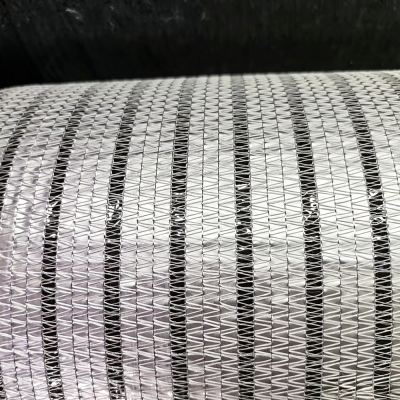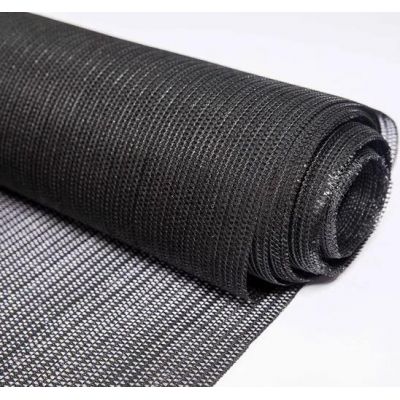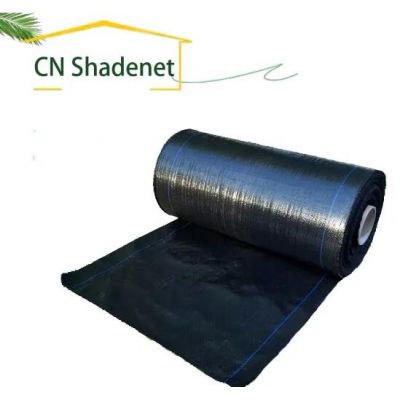


This is the windbreak netting we supply in a machine woven construction, and the weave is what separates it from the knitted screens: ground and weft yarns are crossed on the loom, which gives a flatter, denser cloth that holds a straight edge along a fence line and blocks the view more completely than an open knit. That makes it the grade for a garden boundary where the object is screening and shelter rather than shade, and for a yard or works boundary where sight lines matter. It goes out in rolls cut to the height you give us.
A knitted net and a woven one are made on different machines and they behave differently on a fence. This is the woven grade: ground and weft yarns crossed on the loom give a flatter, denser cloth, which is what holds a straight edge along a boundary and screens the view more completely where shelter matters more than airflow.
A woven cloth interlocks two yarn directions, so it is denser per square metre than an open knit and it hangs flat rather than stretching between fixing points. On a garden boundary or a works fence that means the screen reads as a screen rather than a net, and the view through it is broken up rather than merely softened. It still passes air, so a gust is not stopped dead and thrown at the fence, but the balance sits further toward shelter than a knitted shade net does. UV resistance is worked into the HDPE yarn.
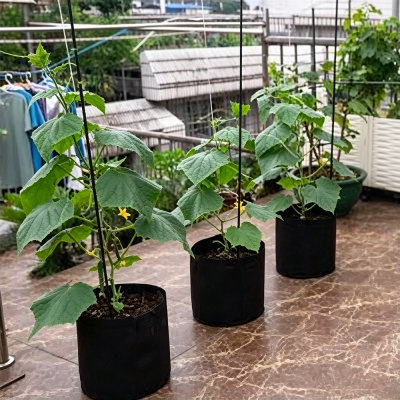
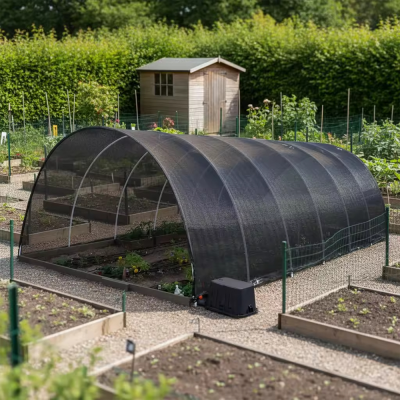
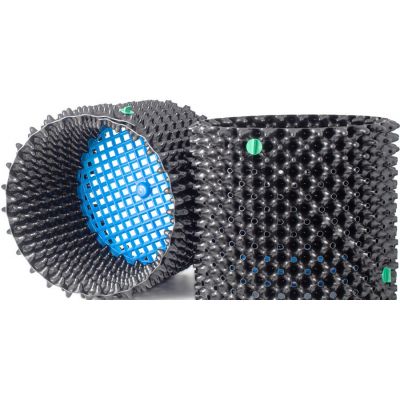
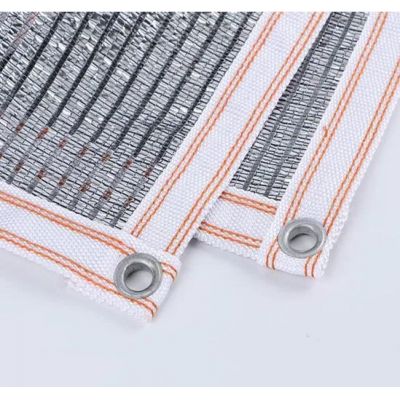
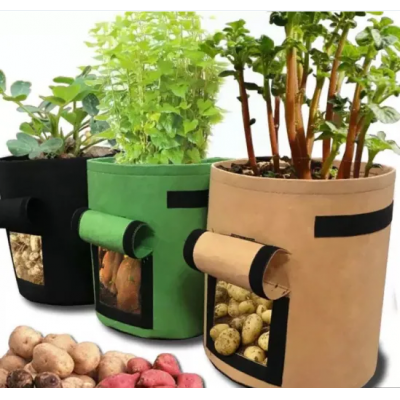
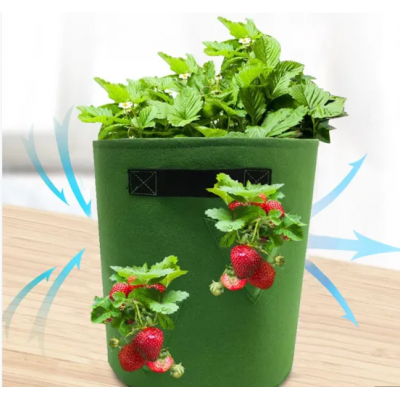
The netting goes along a garden boundary, around a yard, across a works fence and over a gate line where the view through has to be closed off. Because it is supplied by the roll and cut to the height you give us, one order covers a garden fence and a longer works boundary from the same cloth. Households screening a bed behind the same netting often pair it with a planting bag, and the wider shade net range covers the knitted and reflective grades where a lighter or heat reflective cover is wanted instead.
| Model | ZF-GF003 |
| Material | Woven HDPE with UV resistant yarn |
| Function | Privacy screening, windbreak and shelter |
| Shade Rate | Dense grade, made to order |
| Colour | Charcoal, sand and green, customised on request |
| Form | Roll, cut to the height you give us |
| Edges | Bound edge with grommets on request |
| Application | Garden boundary, yard and works fence |
The density is the reason to choose the woven grade, and it is also the reason the fixing has to be right: a denser cloth takes more wind, so the grommets are set into a bound edge rather than punched through the weave, and the roll is cut to the height of the fence so the load is spread across the span rather than concentrated at a corner. A knitted monofilament net covers the shading job where a lighter weave is wanted, while this netting covers the screening and shelter work.
Height, roll length and colour are all made to order, so the first detail to confirm is the height of the fence you are screening and the total run. Netting ships in PP woven bags. Buyers tracking how screening performs outdoors can follow trade coverage such as HortiDaily and FreshPlaza for what is being installed.
Woven or knitted, which should I take?
Woven where the boundary has to be screened outright and the cover should hang flat. Knitted where a lighter cover and more airflow are wanted.
Will it stand up to wind on an open boundary?
The cloth is cut to the fence height so the load is spread across the span, and the grommets sit in a bound edge rather than through the weave.
Can I order a different height, run or colour?
Yes. Height, roll length and colour are all made to order. Tell us the run you are screening and we will advise.
Tell us the height and the total run you are screening, and the colour you are working to, and we will confirm the roll and the packing that suit your order.
Mark Wu, Co-founder & Technical Director, Sichuan Zhifang Net Industry. 15 years manufacturing agricultural nettings for growers in 32 countries.