
By Mark Wu, Co-founder & Technical Director, Sichuan Zhifang Net Industry Co., Ltd.
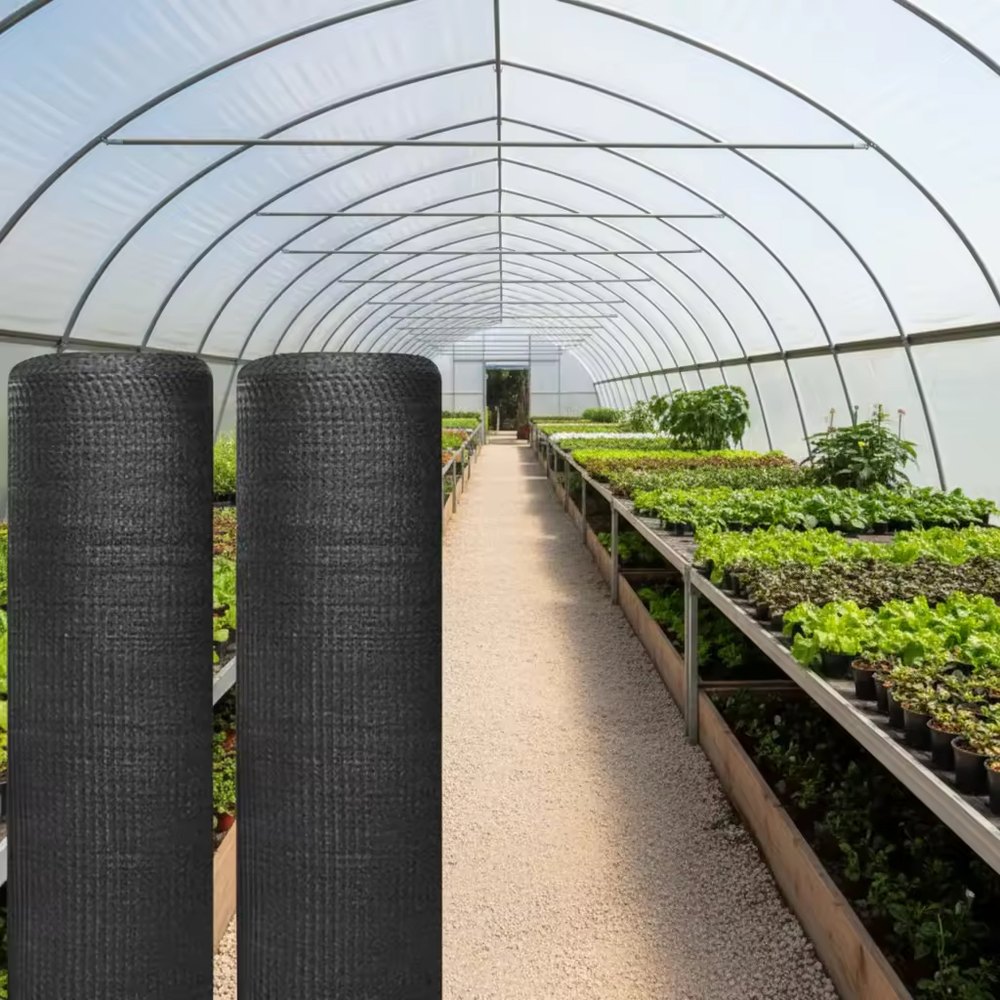
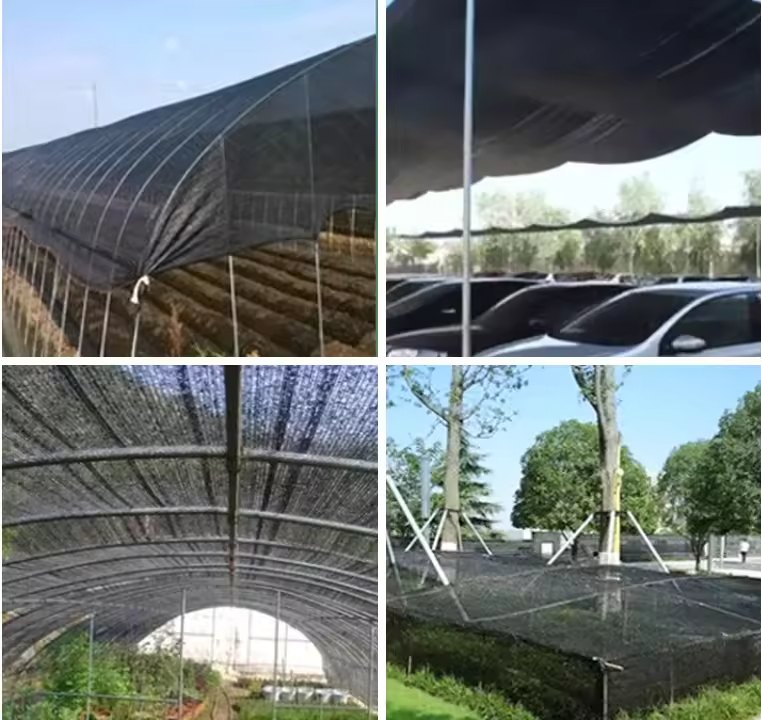
Most of the shade net we ship goes onto crops. A meaningful slice does not. It goes over a carport in a suburb, across a yard where children play, around a construction hoarding, or over a pen of cattle waiting for the truck.
The same machines make all of it. What changes is the brief, and the brief changes the specification more than most buyers expect.
The grower wants a light level and a canopy temperature. The net is a tool for manipulating a microclimate, and the crop tells you quickly whether you got it right.
The household or landscape buyer wants heat off a surface and glare off a window. Nobody measures a light level. What matters is that it looks tidy, does not sag, and survives the first storm.
The site or event buyer wants something else entirely: an edge, a barrier, a windbreak, or in some cases fall protection. That last one is a different product category, and it is where substitution becomes dangerous.
Percentage still matters, but the reasoning is different. A grower picks 35% because the crop needs light. A carport buyer picks 70% because the car should not be an oven at four in the afternoon. Neither is wrong, and neither needs the other's logic.
The other three things matter more off the farm than on it.
Fixings. A field shade house has a frame designed for net. A carport or a yard usually does not, so the net hangs off whatever is there: a wall, a pergola, a fence post. That is where most domestic shade fails, at the anchor, not in the fabric.
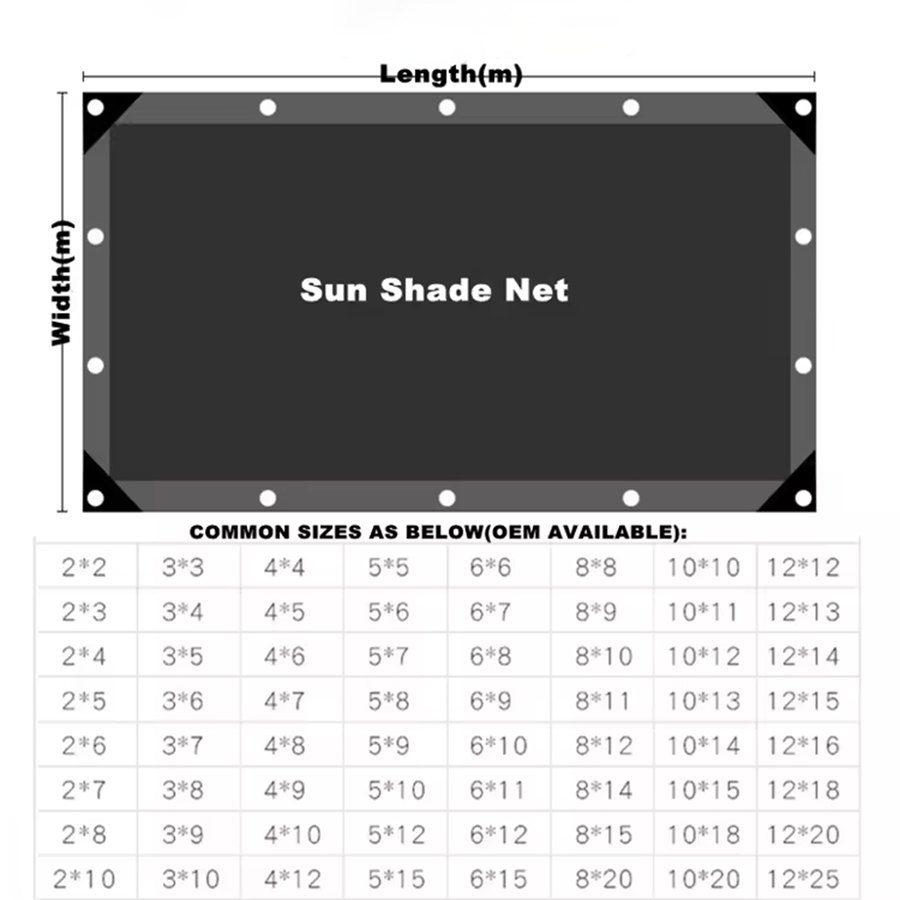
Edge finish. On a farm, a panel with a rope channel is normal. On a small order, buyers often take a cut panel with a raw edge, and a raw edge starts to run the first time the wind gets under it. Reinforced border and eyelets are worth specifying even for a small job.
Appearance over time. A grower tolerates a net that fades to grey in year three. A homeowner does not. Colour fastness and UV dose matter more here, because the net is visible.
Shade for animals is where I see the most expensive mistakes, because the instinct is to buy the densest net available and hang it low.
An animal in a pen cannot escape the heat by moving. It dumps heat by convection and by panting, and both depend on air movement. A 90% black net strung a metre and a half above a pen blocks the radiation and also blocks the breeze, and the result is a still, hot box that is worse than no shade at all.
What works is height and sides. Lift the net so there is a real air gap above the animals, leave the sides open to the prevailing wind, and use the percentage to cut radiation rather than to create a lid. White or lighter colours help here too, because the fabric itself stays cooler and radiates less down onto the animals below.
Feedlot dust is the other factor. A dusty net clogs, and a clogged net stops being a shade structure and becomes a solid roof with weight on it. Cleaning is not cosmetic maintenance in that setting. It is what keeps the structure standing.
Here is the part worth being blunt about.
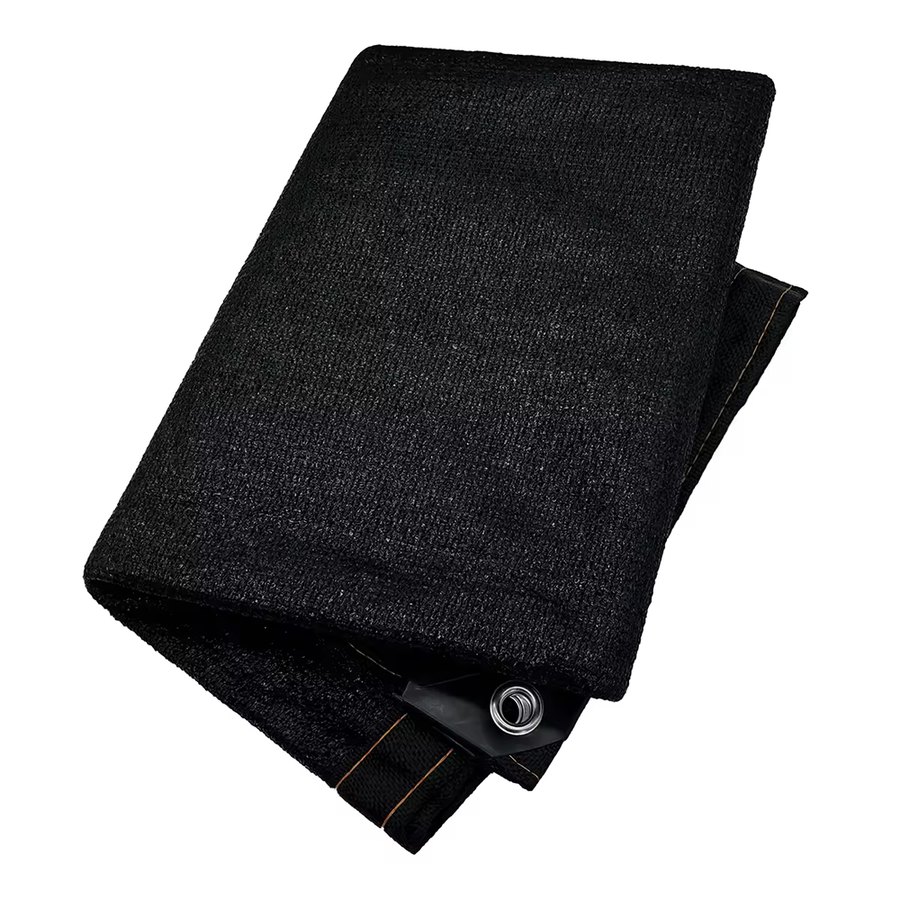
Agricultural shade net is a light-filtering textile. It has a shade percentage, a UV dose and a mass per square metre. It has no rated strength for arresting a fall, and no test behind it for that purpose.
Fall protection and scaffolding containment netting are separate products, made and tested to their own standards in whatever market they are sold. A 90% shade net is dark. It is not strong in the way that product needs to be strong, and the two should never be swapped because they look alike on a roll.
If a customer asks us for netting to stop a person or a load, we say no and point them at the correct category. That is not a sales position. It is the only honest answer.
Three things carry across all the markets.
UV dose. Net dies in the sun regardless of what it is covering. Ask for the guaranteed dose in kly, not for a number of years.
Knitted construction. A knitted net stops a tear at the hole. A woven one runs. Off the farm, where nets get cut to size and where nobody inspects them weekly, that difference decides whether a small snag becomes a replacement panel.
Mass per square metre. A heavier net holds tension better, sags less and survives wind. For anything permanent that is visible from the house, going up one GSM band is usually the right call.
| Situation | What to ask for | |---|---| | Crop cover, seasonal | Tape or monofilament per budget, 50-70% typical, reinforced edge | | Carport or pergola | 70-90%, heavier GSM, eyelets every 30 cm, UV dose stated | | Yard or playground | 70-90%, no sharp fixings, edge rope all round | | Livestock pen | 70-90%, raised high, sides open, white or light colour | | Scaffold or fall protection | Not this product. Ask for certified safety netting |
Sichuan Zhifang Net Industry Co., Ltd. has been making shade netting and root control containers since 2011, from a plant of nearly 10,000 m² with more than 50 production lines, and supplies buyers in 32 countries. Our netting is warp-knitted from 100% virgin HDPE with a guaranteed UV stabilisation of 500 kly, and every roll carries a ZF security label inside the pack, which is how a customer who reordered five years later could still tell our net from a copy of it.
No. It is a light-filtering textile without a rated breaking strength for fall arrest. Buy certified safety netting for that purpose.
Most buyers settle between 70% and 90%. Higher blocks more heat, but it also darkens whatever is underneath, so a covered outdoor seating area is often better at 70%.
More than on it. White and light colours stay cooler and look better against a house. Black is the practical choice where the net is out of sight and cost per square metre is the driver. If you want the numbers behind the colour choice, this article covers it. For the grades themselves, the shade net range lists percentage and GSM per item, and black shade net covers the standard agricultural grades.


