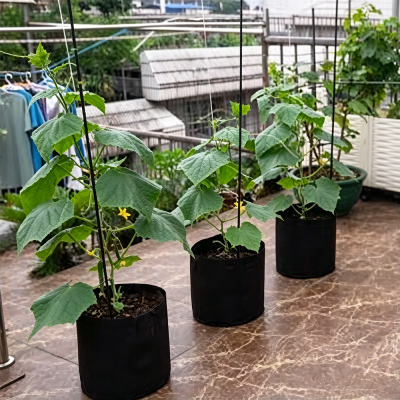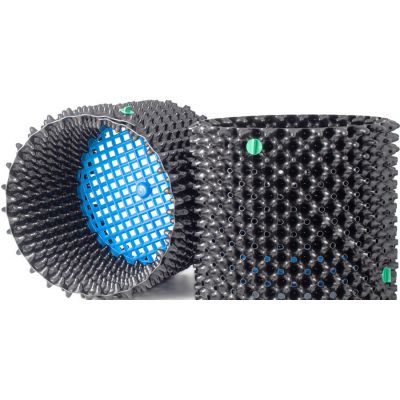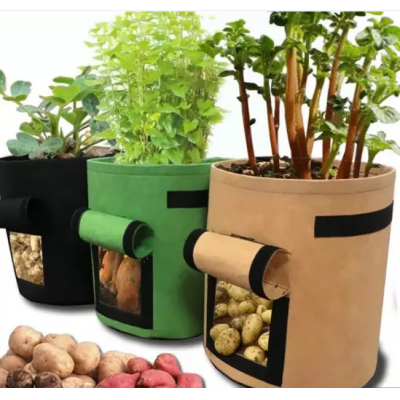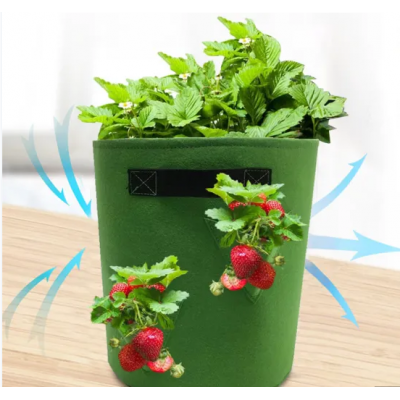


In medicinal plant cultivation, the root is the crop, and its architecture decides both biomass and chemical quality. This container grows that root deliberately: sidewall openings stop the spiralling and hypoxia that degrade root quality in closed pots, and roots branch densely into a fibrous, high surface area system with consistent phytochemical profiles. The split panel structure allows non-destructive harvest and inspection, so root development can be checked without sacrificing the plant. The clean UV stabilized PE does not leach harmful substances, meeting organic and pharmacopoeia grade production requirements.
With ginseng, valerian or any medicinal root crop, the harvest is what happens under the soil, and its quality is set long before lifting day. The container is one of the few variables a cultivator fully controls, and this one is built around that responsibility.
Root architecture determines both biomass and chemical composition, and a closed pot degrades both: tips circle the wall, the lower column turns hypoxic, and the root form that finally comes out of the ground carries those defects into the product. The open wall stops root tips at the air, keeps the medium breathing from top to base, and pushes the plant into a fibrous, high surface area root system. The result is a root crop with consistent phytochemical profiles rather than a lottery. The same wall runs across the air pruning pot range.


The split panel structure opens the container without disturbing the root mass, which changes two parts of the cultivation cycle. Growing roots can be inspected as they develop, and harvest becomes a lift rather than a dig: the panels open, the root comes out whole, and the container cleans and returns for the next crop. For a botanical programme running multi-season cycles, that combination protects both the harvest value and the operating cost.


| Use | Medicinal herb cultivation, botanical supply programmes |
| Material | UV stabilized PE, non-leaching |
| Diameter | 20-70 cm, or customised |
| Height | 20-70 cm, or customised |
| Thickness | 0.6-1.2 mm, or customised |
| Base diameter | 20-60 cm |
| Customisation | Matched to crop protocols |
| Samples | Available |

Cultivation for organic and pharmacopoeia grade production puts the material under scrutiny: the container must not leach harmful substances into the growing medium. The UV stabilized PE is clean in contact with soil and water, stable through multi-season use, and reusable and recyclable at the end of its working life. Programmes starting plants from seed first run a seedling propagation tray ahead of these containers.

Bulk botanical programmes order the container matched to the crop protocol: dimensions, wall thickness and panel configuration set to the species being grown, with logo printing and specialised packaging available. Orders are quoted by size and volume, packed flat for freight, with samples before a full commitment. For soft-wall containers in the same range, the planting bag alternative covers flexible growing. Trade coverage of growing practice runs at HortiDaily and FreshPlaza.
How does the container affect root quality?
The open wall stops circling and keeps the medium oxygenated, so roots come out fibrous and consistent rather than deformed and hypoxic.
Can roots be inspected before harvest?
Yes. The split panels open without disturbing the root mass, so development can be checked at any point in the cycle.
Is the material suitable for organic production?
The clean UV stabilized PE does not leach harmful substances, meeting organic and pharmacopoeia grade requirements.

Tell us the species, protocol and volumes your programme cultivates and we will come back with the packing plan and lead time.
Mark Wu, Co-founder & Technical Director, Sichuan Zhifang Net Industry. 15 years manufacturing agricultural nettings for growers in 32 countries.