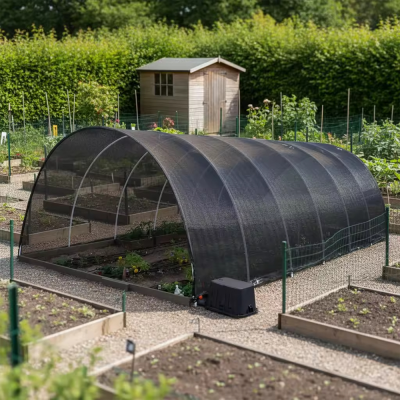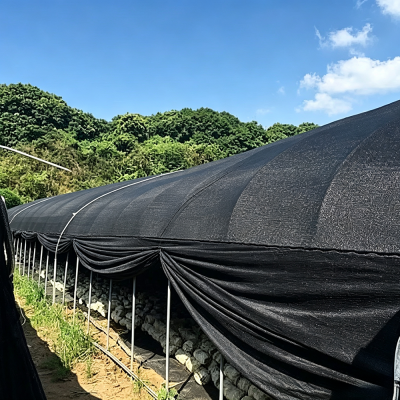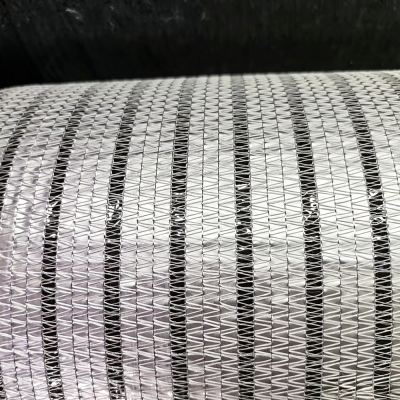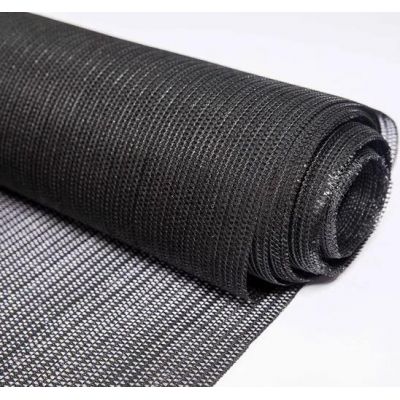


This is the flame retardant shade net we supply for greenhouse vegetable growing, and the flame treatment is what decides where it can be used. A house with heaters, lamps or any hot equipment under the same roof has to carry a cover that will not spread a fire, and that is the job this cloth is treated for. It runs at 75 percent, which is the working rate for a vegetable house, and it is supplied for gear drive systems where the cover rolls in and out through the day. Shade rate and roll length are both made to order.
Shade rate is a decision on every house, but flame treatment decides where a cover is allowed at all. This is the flame retardant shade net we supply for greenhouse vegetable growing, treated so a house with heaters or hot equipment under the same roof can still carry a shade cover.
A house with heaters, lamps or any hot equipment under the same roof has to carry a cover that will not spread a fire, and that is the job this cloth is treated for. Where the cover is not treated, the same house cannot carry shade at all, or carries it on condition that nothing hot is run beneath it. The mesh stays open, so air moves under the cover and rain still reaches the beds, and the cloth rolls in and out of the frame through the day rather than being fixed for the season.
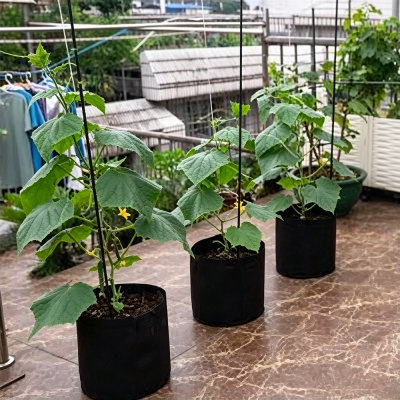
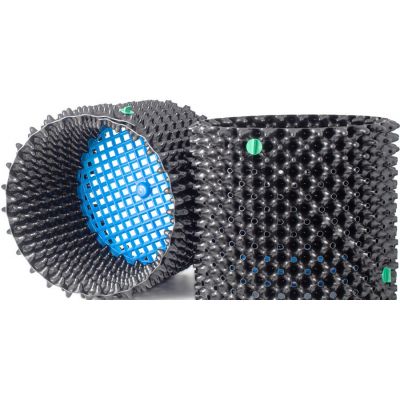
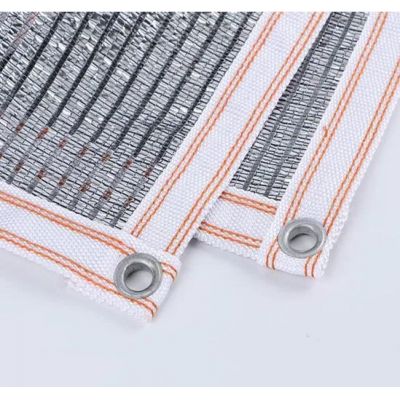
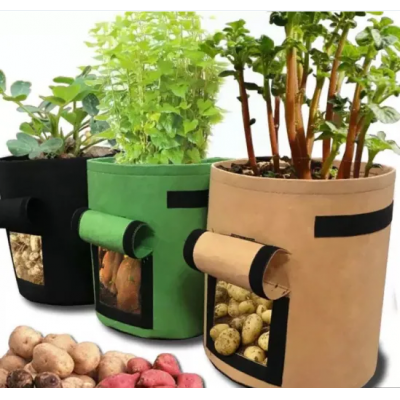
The cloth is supplied for gear drive systems, where the cover rolls in and out on a shaft through the day, so it is made to take the tension a drive system puts on a roll rather than being hung once and left. It runs at 75 percent, the working rate for a vegetable house, and the same roll covers a greenhouse roof and a bed. Growers running pots under the same cover often pair it with a planting bag, and the wider shade net range covers the reflective and coloured types where the job calls for something other than a plain green cloth.
| Material | HDPE mesh, flame retardant treated |
| Shade Rate | 75 percent, made to order |
| Function | Sun protection for vegetable houses |
| System | Gear drive roll, fixed or retractable |
| Colour | Green, black or beige, customised on request |
| Roll Form | Customers request |
| Application | Vegetable greenhouse, internal shading |
| Model | SN-002 |
| Packing | Export package, customised on request |
Seventy five percent is the working rate for a vegetable house, and the rate is made to order where a heavier or lighter cover is wanted. Roll length is the second choice, since the net has to cover the house or the drive shaft rather than a single row. A knitted monofilament net covers the same idea where a finer weave is wanted, while this treated net covers the standard vegetable and internal shading job. Growers often hold one roll for the house and use the offcut on a bed.
Width, roll length, shade rate and colour are all made to order, so the first detail to confirm is the span of the house and whether the drive system takes a fixed or retractable roll. Rolls ship in export packing and are cut to suit the frame. Growers tracking how shade netting performs across a season can follow trade coverage such as HortiDaily and FreshPlaza for what is being installed on commercial sites.
Why does flame retardant treatment matter on a shade net?
A house with heaters, lamps or hot equipment under the same roof has to carry a cover that will not spread a fire. Where the cloth is not treated, that house cannot carry shade, or only on condition nothing hot runs beneath it.
Is the cloth made for gear drive systems?
Yes. It is supplied for gear drive rolls, where the cover runs in and out on a shaft, so it is made to take the tension a drive system puts on a roll rather than being hung once and left.
Can I order a different shade rate or colour?
Yes. The rate is made to order, and the cloth is supplied in green, black or beige. Tell us the crop and the span and we will advise.
Tell us the span, the shade rate and the colour you are working to, and we will confirm the roll length and the packing that suit your order.
Mark Wu, Co-founder & Technical Director, Sichuan Zhifang Net Industry. 15 years manufacturing agricultural nettings for growers in 32 countries.