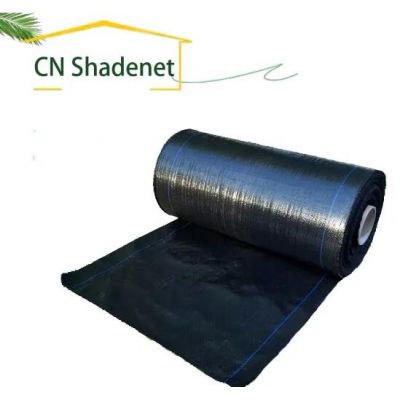


A woven cloth resists a puncture by the crossing of its yarns, and when one of those yarns is cut the opening around it is free to grow. A needle punched fabric is made a different way, from fibres bonded into a mat with no warp and weft to slide apart, which is why it is the construction used where stakes are driven through the cover, boots walked over it and tools dropped on it. The same structure holds moisture: there are no straight-through openings for evaporation, so the soil stays damp for days longer than bare ground. The weight is 125 gsm and the rolls run to 2 m by 100 m.
Almost every ground cover on the market is woven, and that is fine until something is driven through it or dropped on it. A woven cloth fails at the point of damage and the opening grows from there. A needle punched fabric is made differently and behaves differently under the same treatment, which is why it is the one specified where stakes and boots are part of the job.
A woven fabric is a grid of warp and weft yarns, and its strength comes from those yarns crossing. Cut one and the neighbours can move, so a small hole becomes a run. A needle punched fabric is built from fibres bonded into a mat instead, with no continuous yarns to slide apart, so damage stays local and a stake pushed through it does not start a tear. That is the practical difference on a working site. The second difference is in the openings: a woven cloth drains through the gaps between its yarns, and a needle punched mat drains through the fibre structure, which is denser and slows evaporation from the soil below. The result is ground that stays moist for days longer under the cover than it would bare.
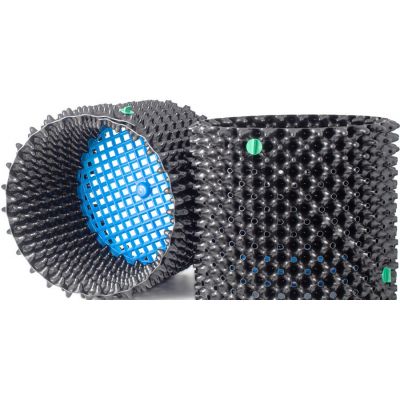
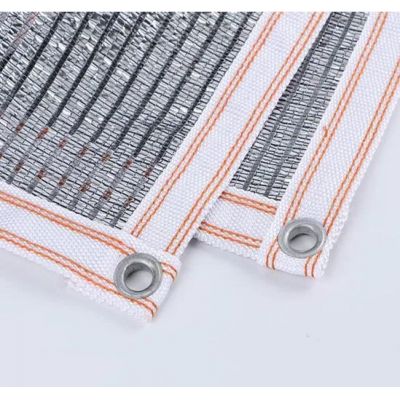
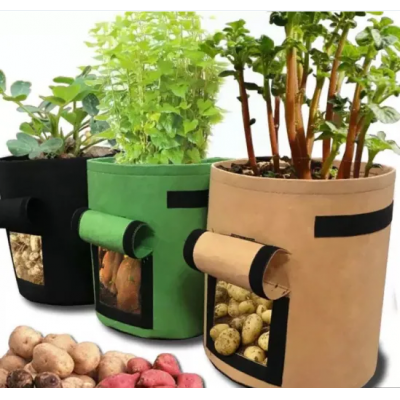
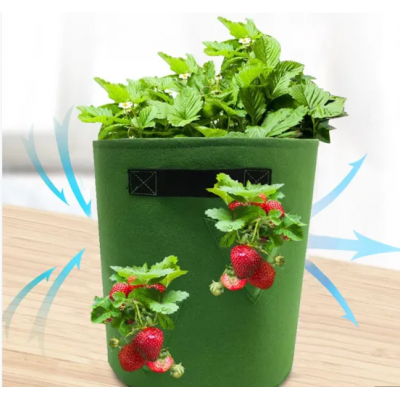
The cloth is laid between greenhouse vegetable rows where stakes and irrigation lines are being pushed into the ground, over garden beds where people walk, and on nursery benches and floors where the fabric takes the abrasion of pots and tools. Because the material is UV stabilised and blocks 99% of the light, the seed underneath does not germinate and there is nothing to pull. Grommet spacing can be set to order where the cover is being tied or stapled down, which saves fitting hardware on site. Growers raising stock on the same ground often order a planting bag alongside it, and the shade net range covers the covers that go over the crop rather than into the ground.
| Model | WB-016 |
| Material | Needle punched polypropylene, UV stabilised |
| Weight | 125 gsm |
| Width | Up to 2 m |
| Length | Up to 100 m per roll |
| Colour | Black |
| Fixing | Customised grommet spacing available |
| MOQ | 5000 m2 |
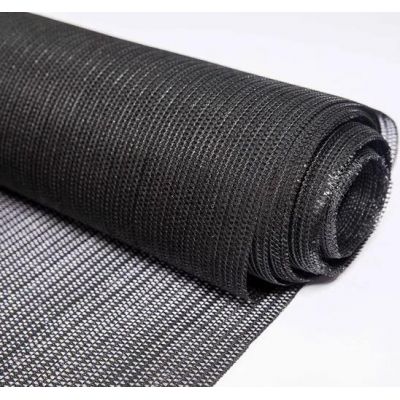
The two properties go together, because both come from the same structure. There are no continuous yarns to be cut, so a hole is a hole rather than the start of a run, and there is no straight path through the material, so water moves down slowly rather than evaporating straight back out. On a bed that is staked, walked and watered, that combination is what decides how long a cover stays in service and how often the irrigation runs. Where the requirement is covering plants above ground rather than the soil below, a knitted monofilament net is the better fit.
Width, weight, roll length and grommet spacing are made to order, and the standard minimum order quantity is 5000 m2. The standard roll runs to 2 m by 100 m, with wider and longer runs available on request. OEM marking can be added where the goods are being sold on. Tell us where the cover is going and what is going to be driven through it or dropped on it, and we will confirm the weight and the grommet spacing. Buyers tracking what is going into greenhouse and nursery ground can follow trade coverage such as HortiDaily and FreshPlaza for what growers are laying.
Why choose needle punched over woven?
Where stakes are pushed through the cover or tools are dropped on it, a needle punched fabric keeps the damage local instead of starting a tear. It also holds soil moisture longer. On ground with no traffic, a woven cloth is usually the lower cost choice.
Will water still reach the roots?
Yes. Water passes down through the fibre structure rather than through open gaps, so irrigation reaches the soil while evaporation from the surface is slowed.
Can grommets be added to suit my fixing?
Yes, the grommet spacing is made to order, so the cover can be tied or stapled without fitting hardware on site. Tell us the fixing layout and we will confirm the spacing.
Tell us the row or bed dimensions, what will be driven through or dropped on the cover, and the total area, and we will confirm the weight, the grommet spacing and the packing that suit your order.
Mark Wu, Co-founder & Technical Director, Sichuan Zhifang Net Industry. 15 years manufacturing agricultural nettings for growers in 32 countries.