

This is the triangle sail we supply for patios, playgrounds and decks, and the shape is the reason it sells: a triangle works on a corner, over a sandpit or across a deck end where a rectangular cover will not sit without overhanging. It is a heavy HDPE cloth cut to the span, finished with a turned hem, reinforced corners and steel fixings, so it can be strained on three points and stays taut instead of sagging between them. Sizes and colours are made to order, and the same sail covers a domestic patio and a commercial play area.
A triangle covers the corners that a rectangle cannot. Over a patio edge, a sandpit or the end of a deck, a triangular sail can be strained on three points and sit flat, where a square cover would have to overhang or be folded back. This is that sail: a heavy HDPE cloth cut to the span, with a turned hem and reinforced corners.
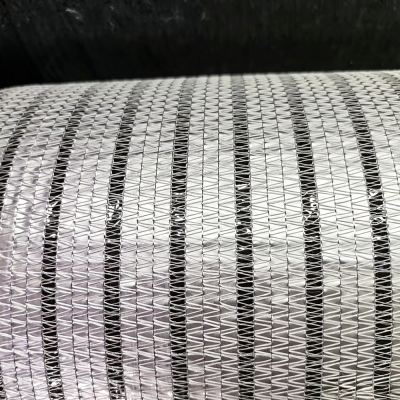
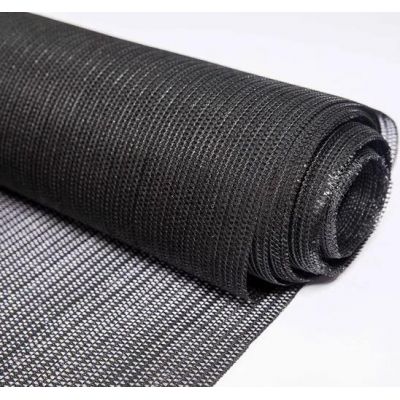
Three fixing points instead of four is what makes a triangle useful on a domestic site. It goes into a corner between a wall and a post, over a sandpit, or across the end of a deck where one edge has nothing to fix to. The cloth is a heavy HDPE with UV resistance in the yarn, so the cover holds its shade rate across a season rather than drifting toward the light end. The weave is a woven mesh rather than a solid sheet, so air moves under the sail instead of pooling in the middle of the span and a light shower passes through rather than sitting on the cloth.
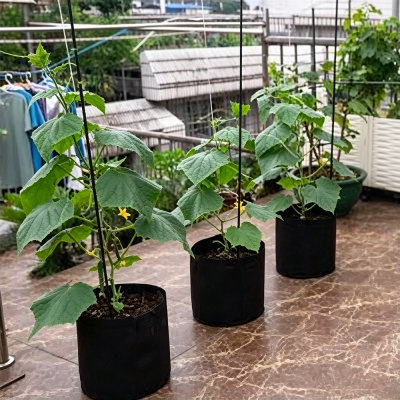
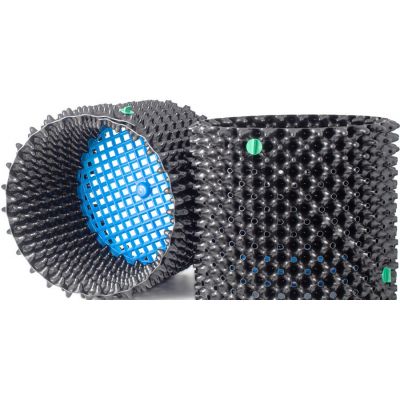
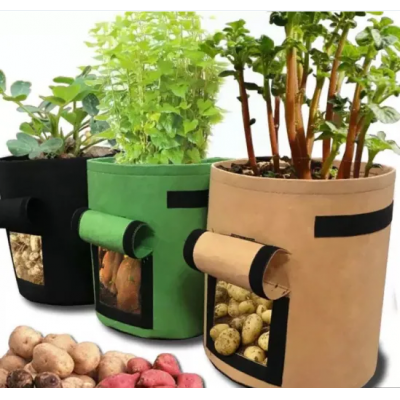
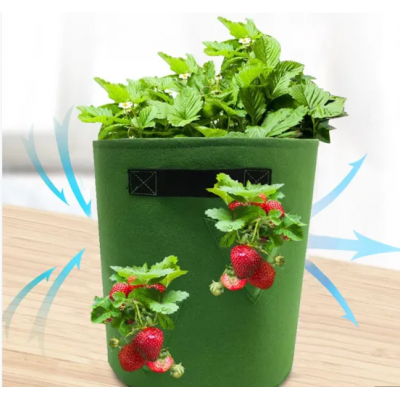
The same sail covers a domestic patio and a commercial play area, because the size is cut per span rather than taken from a stock sheet. Schools and councils often overlap two or three triangles to shade a whole playground, while a household uses one over a table or a sandpit. Households covering a bed behind the same sail often pair it with a planting bag, and the wider shade net range covers the roll goods where a cover is run out and weighted rather than rigged.
| Material | Heavy HDPE cloth with UV resistant yarn |
| Shape | Triangle, other shapes made to order |
| Size | Custom, cut to the span you give us |
| Shade Rate | Made to order |
| Colour | Made to order |
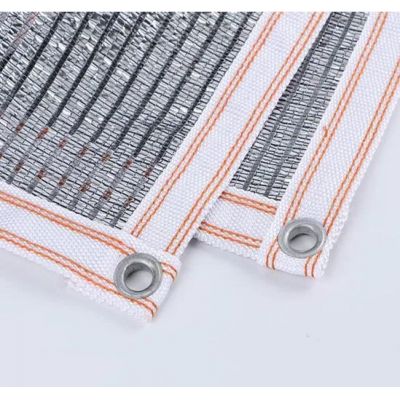
| Corners | Reinforced with steel fixings |
| Application | Patio, playground and deck shading |
| Packing | Export package, customised on request |
The three corners take the whole load, so the hem is turned and stitched and the corners are reinforced rather than the cloth being punched through. That lets the sail be strained tight on posts, walls and eye bolts without the weave pulling open, and it can be taken down and put back up season after season. A knitted monofilament net covers the same idea where a finer weave is wanted, while this sail covers the triangle patio and playground job.
Span, shape, shade rate and colour are all made to order, so the first detail to confirm is the three points you are rigging to and the area under them. Sails ship in export packing and are folded to suit the size. Buyers tracking how shade sails perform on commercial sites can follow trade coverage such as HortiDaily and FreshPlaza for what is being installed.
How many fixing points does a triangle sail need?
Three, which is what makes it useful in a corner where only two surfaces are available. The corners are reinforced, so the load is taken by the corner rather than by the weave.
Can several sails be overlapped to shade a playground?
Yes. Schools and councils commonly overlap two or three triangles. Give us the three points for each and we will cut them to suit.
Can I order a different shape, size or colour?
Yes. Shape, span, shade rate and colour are all made to order. Tell us the points you are rigging to and we will advise.
Tell us the three points you are rigging to, the shade rate and the colour you are working to, and we will confirm the size and the packing that suit your order.
Mark Wu, Co-founder & Technical Director, Sichuan Zhifang Net Industry. 15 years manufacturing agricultural nettings for growers in 32 countries.