

The order usually starts with a swatch request rather than a figure, and the swatch is normally chosen on appearance. That is fine, provided the two decisions are kept apart. Colour on this net comes from pigment worked into the HDPE before it is drawn, and it sets how the light under the net is tinted and how the net looks from the road. The shading rate is separate, set by the yarn gauge and the mesh density, and it is the figure that decides how much of the light is stopped. A white and a beige net at the same rate shade a crop to the same extent; they differ in how warm the house reads.
The enquiry often opens with a request for a swatch, and the colour on the swatch is picked because it looks right on screen. The shading rate is then assumed to follow from it. Keeping the two decisions apart is what stops the wrong roll arriving: appearance and light control are set by different things on this net.
Colour comes from pigment worked into the HDPE before it is drawn into yarn, so the strand is the same colour through its section rather than coated on the outside. It sets how the light under the net is tinted and how the finished cover reads from a road or a neighbour. It does not set how much light is stopped.
The shading rate is set separately, by the yarn gauge and the density of the mesh. A white net and a beige net at the same rate block the same share of the incoming light. What changes between them is the temperature at crop height, because a pale net reflects more of what it intercepts and a dark one runs warmer underneath. Order the rate from the crop, then the colour from the site.
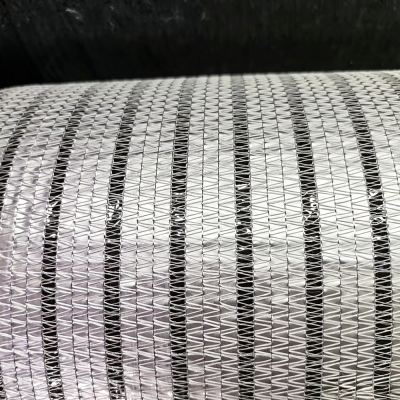
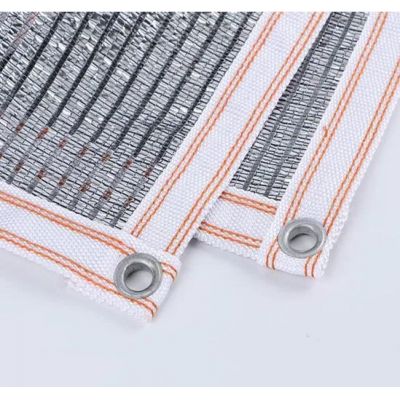
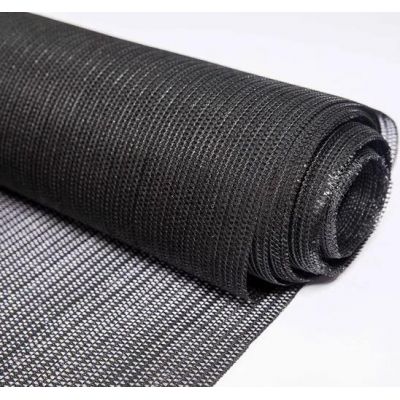
The mesh count and the yarn gauge are what the shading figure is built from, and both are visible if you look at the fabric rather than the label. A denser mesh with the same yarn gauge gives a higher rate; a heavier yarn with the same mesh does the same. Two rolls can carry the same percentage and still differ in how they hang, how they shed rain and how long they last in wind.
For orchard cover the mesh also decides how much debris drops through. A tighter mesh holds more leaf and twig and needs clearing more often, which matters on a site where the cover stays up through the season. Tell us the crop and we will say which construction suits it rather than leaving the figure to a catalogue.
| Material | HDPE, UV stabilised |
| Construction | Warp knitted mesh |
| Shading rate | 50% to 99%, made to order |
| Colour | White, beige, green, black, tan, other colours to order |
| Size | Customised to your row or bay |
| Applications | Orchard, agriculture, greenhouse, nursery |
| Model | ZF-SHA-003 |
| Packing | PE bag or woven bale, customised on request |
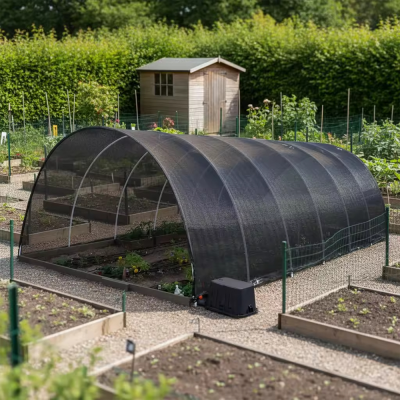
On an orchard the cover usually has two jobs at once: take the worst of the sun off the fruit and hold the ground under it cooler than open field. A pale net does both by reflecting, which keeps the air at crop height closer to ambient and suits sites where heat load is the main worry.
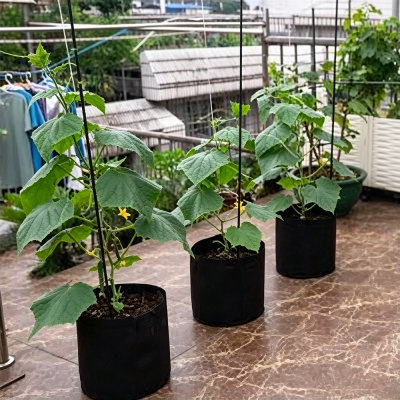
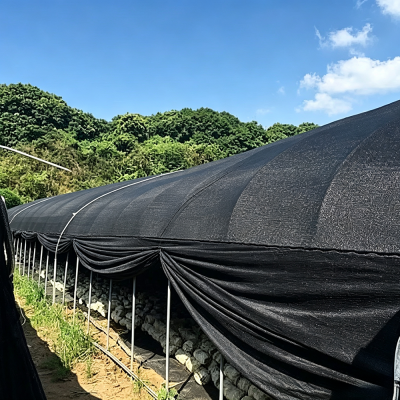
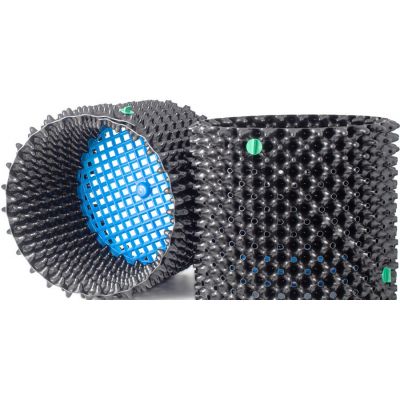
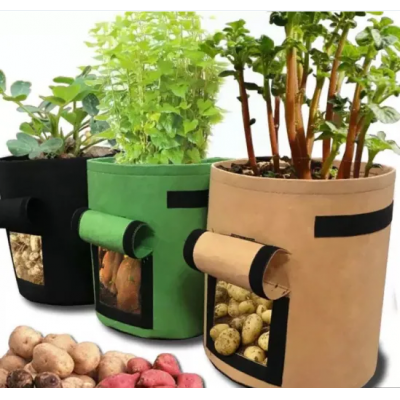
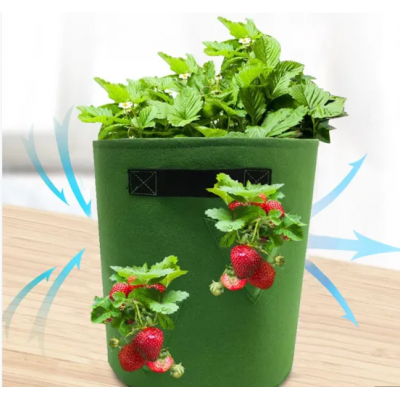
A darker cover runs warmer underneath at the same rate, which suits stock that wants the light cut but not the temperature. Growers running container crops under either colour pair the cover with a planting bag, and the wider shade net range covers knitted and tape types as well. The black orchard version and the green knitted net are usually stocked alongside it for a full season.
UV stabiliser is where a low-cost net saves money, and it shows up as brittleness along the fold lines after a season or two rather than as an obvious tear. Our nets go through the same five in-house checks as the rest of the range, ageing and tensile included, before a roll is packed.
We have been making agricultural netting since 2011, in a plant of close to 10,000 square metres with more than 50 machines. Orchard practice is covered in the trade press, including the reporting at Successful Farming orchard practice reference and the guidance published by the FAO protected cultivation guidance. Company background sits on our about page.
Can I get a swatch first?
Yes. Send the crop, the rate you are considering and the site, and we will send the colours that suit the job rather than the whole range.
Does colour affect the shading percentage?
No. The rate comes from the yarn gauge and the mesh density. Colour changes the tint of the light and the temperature under the net at the same rate.
Which colour for an orchard?
It depends on whether heat load or light is the bigger problem on the site. Tell us the crop and the climate and we will say which we would ship.
Can it be cut to my row width?
Yes. Widths and lengths are cut to the row or bay you send, and there is no need to plan the site around a stock roll.
Send the crop, the row width and your site conditions, and we will confirm the rate, the colour and the weight that suit the job.
Mark Wu, Co-founder & Technical Director, Sichuan Zhifang Net Industry. 15 years manufacturing agricultural nettings for growers in 32 countries.
Running this cover on your rows? Leave a review below and tell other growers which colour and rate you settled on.